
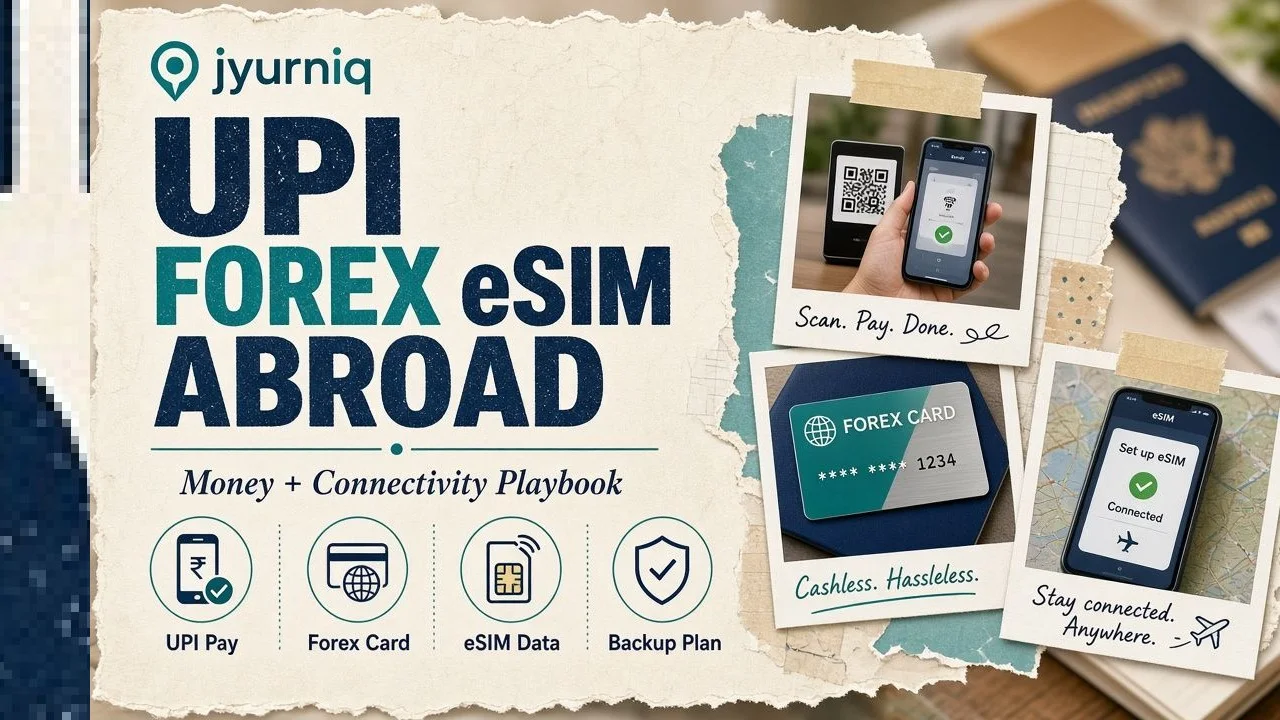
Going abroad used to mean three panic items: cash, roaming packs, and a debit card that may or may not work at the first restaurant.
In 2026, Indian travellers also have UPI in select countries, prepaid forex cards, and eSIMs that install before you leave the airport WiFi. Cute. Also easy to misunderstand.
This is the money + connectivity playbook: what actually works, what is only "live on paper," and the backup stack that stops a dead phone or declined card from becoming the whole trip.
Rules and partner networks change. Recheck your bank app, NIPL / NPCI updates, and RBI / tax notes before you travel.
UPI abroad: useful, not universal
UPI is no longer India-only. That does not mean you can leave cards at home.
As of late 2026 reporting and NIPL's public jurisdictions list, UPI merchant payments for Indian travellers are available at select outlets in:
UAE
Singapore
Sri Lanka
Nepal
Bhutan
Mauritius
France
Qatar
Cambodia (KHQR at participating merchants)
Greece and the Maldives have been linked more for cross-border remittance flows than for everyday tourist QR shopping. Do not plan a Maldives cafe crawl on UPI alone.
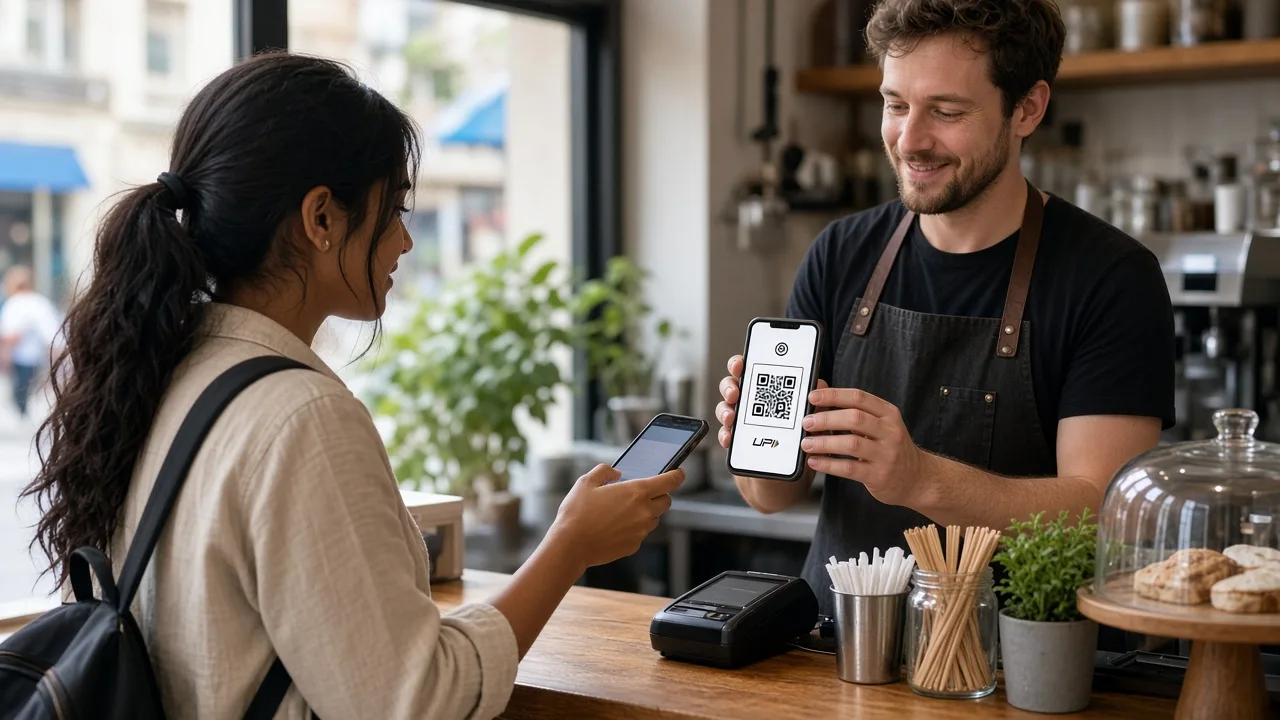
Even in "UPI countries," acceptance means participating merchants and partner terminals. Ask for the UPI / partner QR. If the cashier looks confused, pay another way without a speech.
How to use UPI outside India (when it works)
In your UPI app, enable UPI International / UPI Global on an eligible bank account before you fly.
Keep the Indian number active for OTPs and bank SMS.
At the merchant, scan the compatible QR, check foreign amount + INR amount + rate, then PIN.
Screenshot success screens when the WiFi is moody.
UPI abroad is a discount on friction, not a replacement for a working card.
Money stack that actually survives a trip
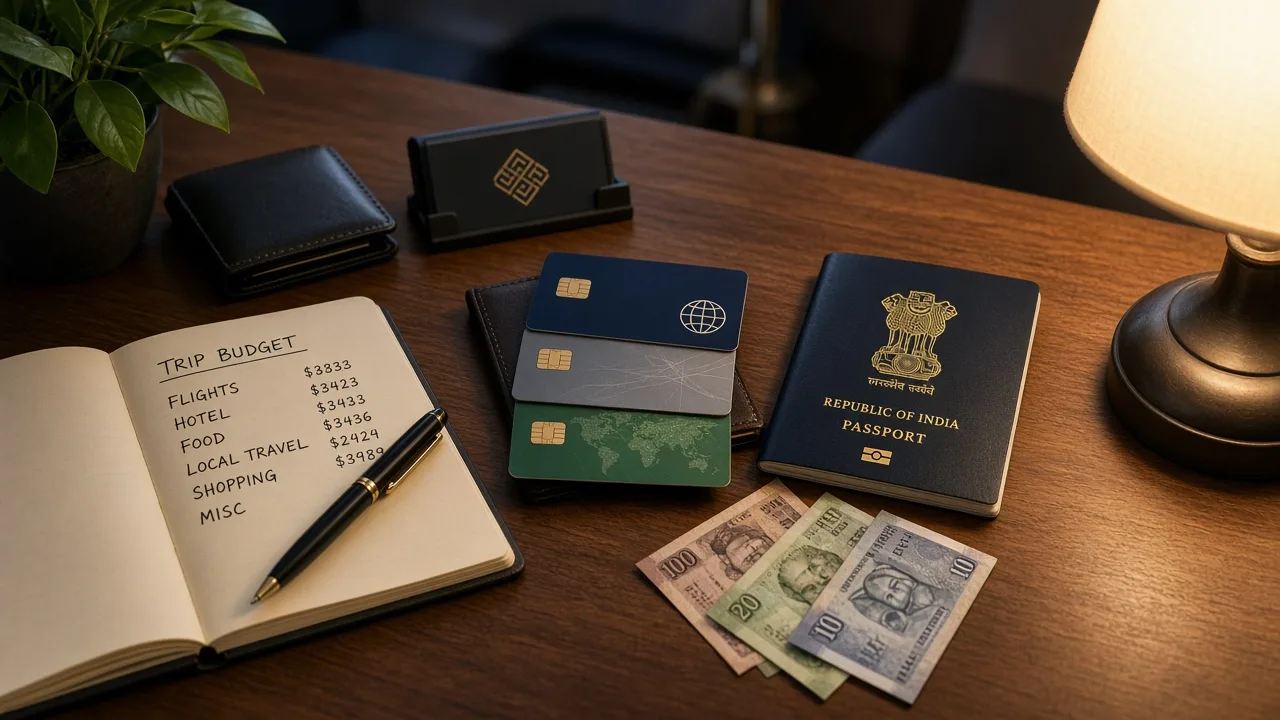
Build layers. One method failing should not strand you.
Primary spend: prepaid forex / travel card loaded before departure, or an international credit card with a known forex markup
Backup spend: international debit card (enable international usage) + small cash float
Convenience layer: UPI where the destination actually accepts it
Emergency: second card in a different bag / hotel safe, plus your bank's overseas helpline saved offline
Forex card vs debit vs credit (honest split)
Forex / travel card: Lock a rate when you load. Good for planned spend. Loading counts toward LRS. Check reload fees, ATM fees, and idle-balance rules.
International debit card: Easy backup. Overseas merchant / ATM use typically sits under LRS. Banks add markup. Enable international transactions before you leave.
International credit card: Often the smoothest card rail for hotels, rentals, and big tickets. As of bank guidance following Finance Ministry clarification, overseas ICC spend is generally not treated as LRS until further notice (so TCS usually does not apply on that spend). Your credit limit still applies. Recheck your issuer before a big trip.
Compare total cost, not marketing: forex markup % + ATM fee + cross-currency fee + dynamic currency conversion traps. Always choose to pay in local currency when the machine asks, unless you know your bank's DCC deal is better (it usually is not).
LRS and cash limits in plain English
Resident individuals can generally avail foreign exchange up to USD 250,000 per financial year (April–March) under the Liberalised Remittance Scheme for permissible purposes.
Forex card loading and overseas debit-card spending typically count toward LRS.
For most destinations, foreign currency notes/coins you can buy are capped around USD 3,000 per visit; the rest can be on cards / other permitted instruments (special rules exist for a few countries).
Nepal and Bhutan have different cash / currency rules. Do not assume the same playbook.
TCS (tax collected at source) — trip planning version
From 1 April 2026, bank FAQs show revised TCS handling on many LRS forex drawals. Broad traveler-relevant pattern:
Combined threshold around ₹10 lakh per FY across LRS modes / dealers for the nil slab on many purposes
Above that, rates depend on purpose (education / medical vs other LRS). "Other" LRS can still attract a high rate
Overseas tour packages can have separate TCS treatment
TCS is usually claimable later while filing returns — it is not "free money gone forever," but it does hit cashflow
For a normal holiday under the threshold, many travellers will not feel TCS. For big remittance + forex years, talk to your bank / CA. Do not learn tax law from a airport forex counter uncle.
Connectivity: eSIM + Indian number (the winning combo)
You need two jobs done:
Data for maps, bookings, translations
Indian number reachability for bank OTPs, UPI, and "where are you" calls
Best default for most people:
Keep your Indian SIM active (even on a cheap international incoming / OTP plan).
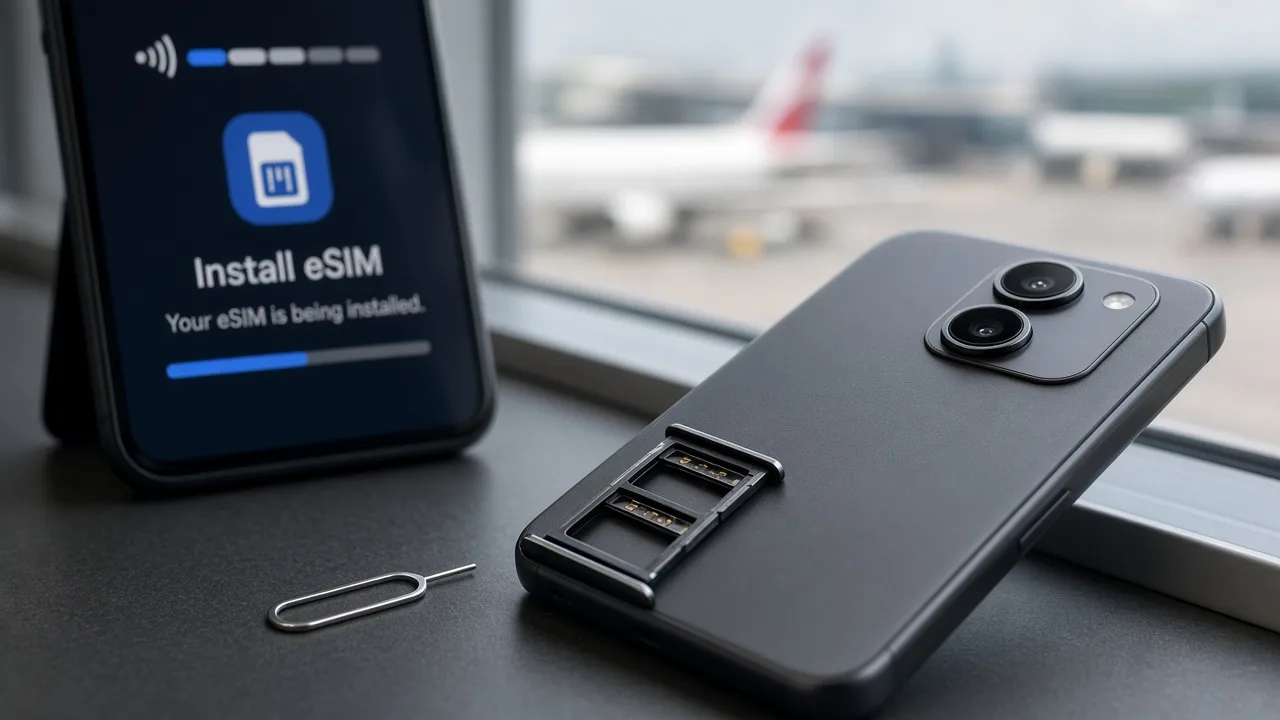
Install a destination or regional eSIM for data before you leave home WiFi.
On dual-SIM phones: Indian SIM for calls/SMS, eSIM for data. Turn off expensive data roaming on the Indian line.
Operator roaming packs are fine for short hops if the math beats eSIM. For a week-plus trip, eSIM usually wins on cost and sanity.
eSIM checklist that prevents airport rage
Phone is carrier-unlocked and eSIM-capable
QR / activation code saved offline (screenshot + email)
Install before immigration queues when possible
Know how to set mobile data SIM vs default voice SIM
Test once on airport WiFi, then enable data after landing
Keep a tiny offline map pack for the first city
Country-type cheat sheet
UAE / Singapore / Sri Lanka / Nepal / Qatar / Cambodia / France / Mauritius / Bhutan: try UPI at participating spots + card backup
Most of Europe / US / SE Asia outside UPI lists: card + eSIM primary; UPI is not your plan
Cash-heavy pockets / tip cultures / small markets: still carry local notes
Maldives / Greece (as of current remittance-focused links): do not assume merchant UPI
Before you fly (30-minute setup)
□ Enable international usage on debit / credit cards
□ Tell the bank you are travelling (dates + countries) if your bank wants it
□ Enable UPI International on an eligible account
□ Load forex card with a realistic float (not your entire net worth)
□ Save bank helplines + card block numbers offline
□ Buy / install eSIM; confirm Indian SIM stays reachable for OTPs
□ Pack a second payment method in a separate place
□ Screenshot bookings, tickets, and hotel address offline
Must try / must avoid
Try: paying local currency on card terminals; checking INR amount on UPI before PIN
Avoid: relying on one card in one pocket; turning on full roaming data "just for a day"
Avoid: random airport kiosk eSIMs without reading validity and hotspot rules
Avoid: assuming every RuPay card works everywhere abroad — acceptance is network-specific
Final verdict
For Indians abroad in 2026, the smart stack is boring on purpose: card for reliability, UPI for convenience where it exists, eSIM for data, Indian SIM for OTPs.
UPI expanding is a win. It is not a personality. Build backups, read the amount screen, and keep the phone charged enough to receive the bank SMS that saves dinner.



Conversation
0 comments