
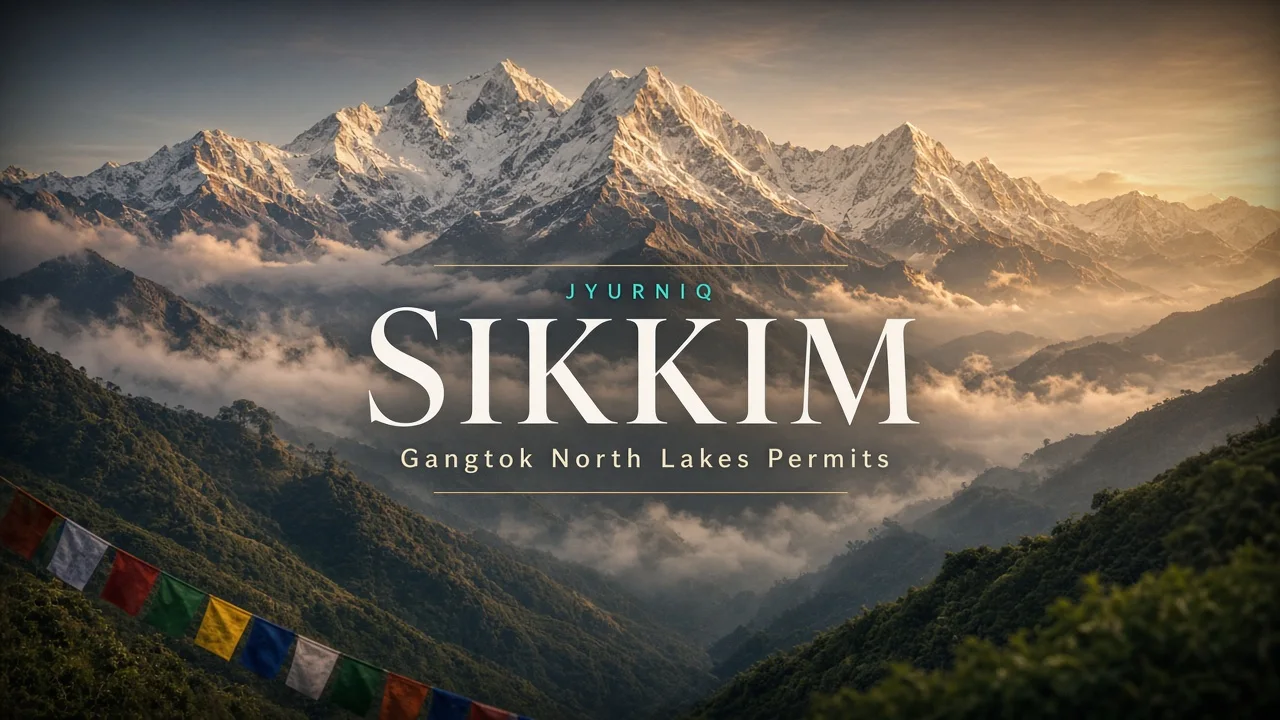
Sikkim is sold as easy Himalaya: Gangtok cafes, Kanchenjunga views, a North Sikkim package that looks like a postcard on WhatsApp.
The hard part is not finding a tour. It is building a trip that survives permits, altitude jumps, monsoon landslides, and operators who quote a price that quietly excludes the nights you assumed were included.
This is the practical Sikkim map for Indian travellers: how many days, best months, permit reality, where to visit (with what each stop actually is), honest cost bands, and when to skip.
Road and permit rules change. Confirm with Sikkim Tourism / your registered operator before you pay.
How many days do you need?
3 to 4 days: Gangtok + Tsomgo (and Nathula if open). A taste. Not full North Sikkim.
5 to 6 days: Sweet spot for most first-timers. Gangtok base + North package (Lachung / Yumthang, optionally Lachen / Gurudongmar) or Gangtok + Pelling if you want calmer hills.
7 to 9 days: Gangtok + North + one West / South chapter without rushing every sunrise.
10+ days: Only if you are adding Yuksom treks, Dzongu, or a slow recovery buffer after altitude.
Sikkim rewards clustering. One honest North circuit beats zigzagging Pelling and Zero Point in the same breath.
Perfect time to go
March to May: Strong all-round window. Rhododendrons toward late spring in Yumthang. Roads usually open.
October to mid-December: Clearest Kanchenjunga odds and stable mountain roads. Photographer season.
Late December to February: Snow drama up high. Also the season of sudden closures to Gurudongmar / Nathula. Book only if you can stay flexible.
June to September: Monsoon. Green and beautiful when the sky behaves. Landslides can cancel North Sikkim mid-trip. Treat as high-risk unless you accept plan B.
How to reach
Bagdogra (IXB) or NJP are the usual gateways.
Shared jeeps / taxis to Gangtok take roughly 4 to 5 hours depending on traffic and road works. Start early.
Pakyong airport exists with limited connectivity. Do not build a rigid itinerary around one weekly flight without a Bagdogra backup.
Permits without the group-chat myths
Indian citizens: No permit needed for Gangtok, Pelling, Namchi, and most open towns.
Protected Area Permit (PAP) is needed for restricted / border zones such as Tsomgo, Nathula, North Sikkim (Lachung, Yumthang, Zero Point, Lachen, Gurudongmar), and some Silk Route pockets.
PAP for tourists is arranged through a registered Sikkim operator with vehicle. You generally cannot DIY this at the last tea stall.
Carry original photo ID + photocopies + passport-size photos. Kids need ID too.
Nathula and Gurudongmar are typically Indian-nationals territory. Foreign passport rules are stricter / blocked for some lakes. Confirm before promising a mixed group the same itinerary.
North packages often need documents a day or two ahead. Same-day heroics fail at checkpoints.
Where to visit in Sikkim
Use this as a stop map, not a checklist to finish in 48 hours.
Gangtok
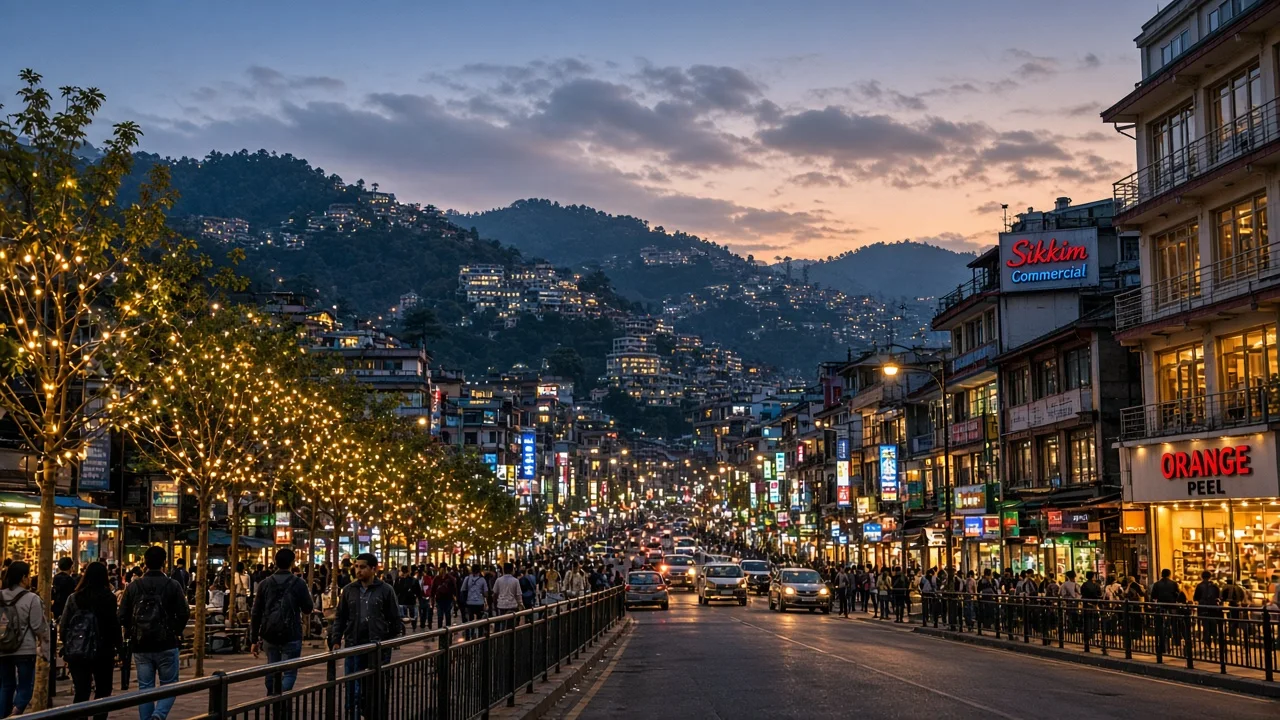
Your base. MG Marg for evening walks and food resets. Viewpoint mornings when Kanchenjunga decides to show up. Stay here, day-trip out, and launch North packages from here. Do not treat Gangtok as a one-night blur before a jeep at 5 am every day.
Best for: first nights, cafes, operator coordination, soft acclimatisation
Skip if: you only have two days and insist on Zero Point anyway (you will hate the pace)
Rumtek Monastery
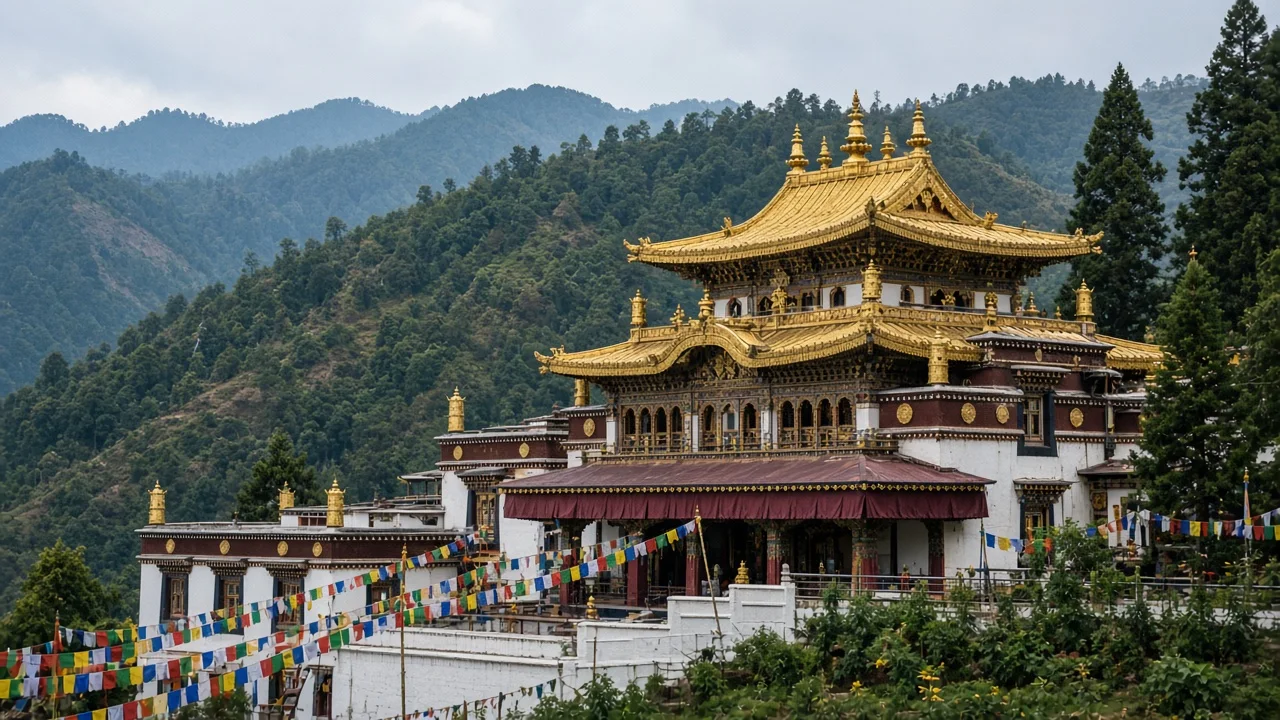
The classic monastery day from Gangtok. Gold, prayer flags, quieter courtyards if you arrive early. Easy add-on when you want culture without a full West Sikkim hotel change.
Best for: half-day reset between lake days
Watch: dress modestly, keep voices down, check photography rules inside
Tsomgo Lake (Changu)
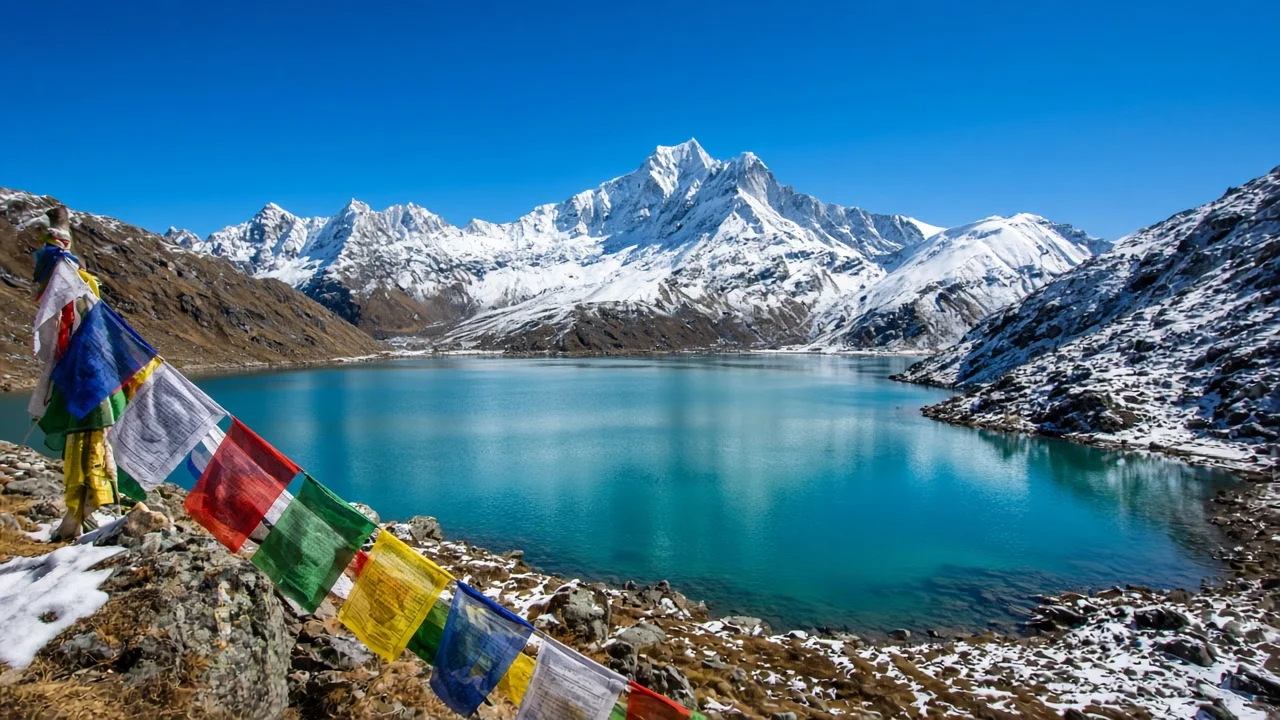
The first high lake most Indians do from Gangtok. Cold wind, yak photo ops, snow chance in winter, and a PAP day trip through a registered vehicle. It is beautiful. It is also crowded by late morning.
Best for: 3 to 4 day trips that cannot fit full North Sikkim
Watch: altitude, cold, and operators stacking too many selfie stops
Nathula Pass
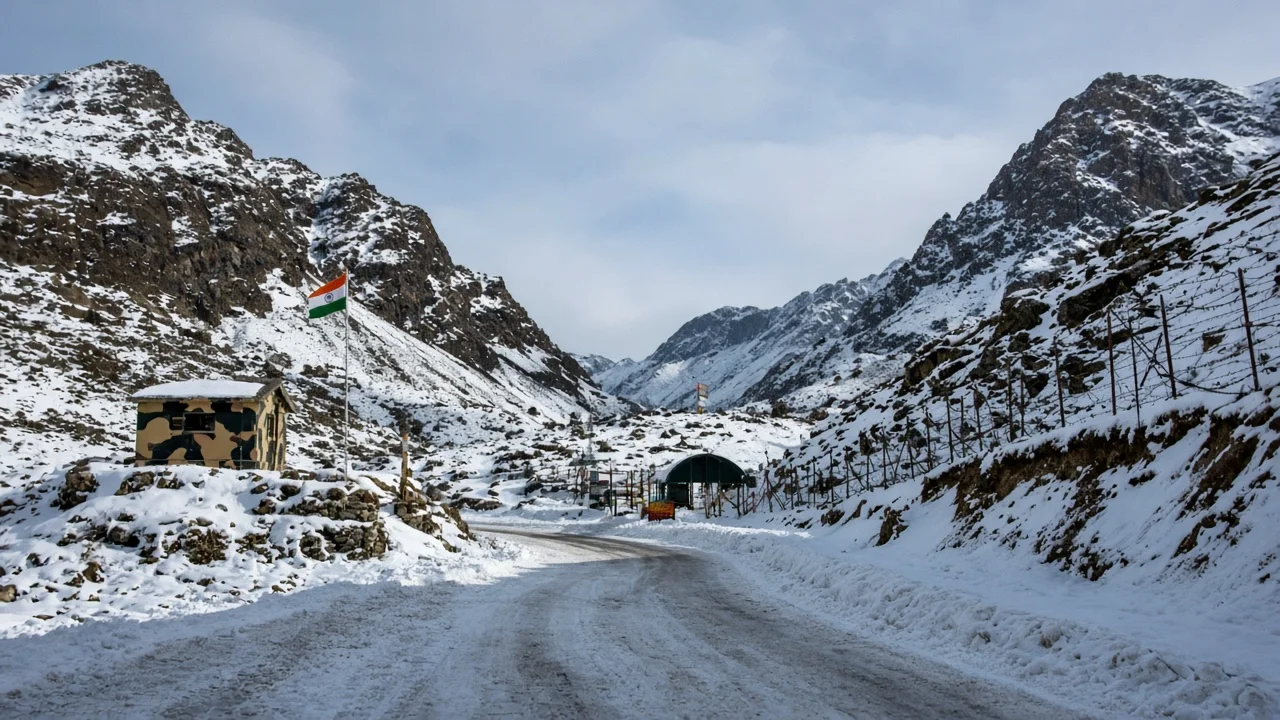
High border pass energy for Indian nationals when open. Adds altitude, paperwork, and closed-day drama (historically often closed Mon/Tue style. Confirm live). Pair with Tsomgo only if everyone is okay with a long, cold day.
Best for: Indians who want the border pass chapter
Skip if: kids, breathlessness, or a packed North itinerary the next morning
Lachung
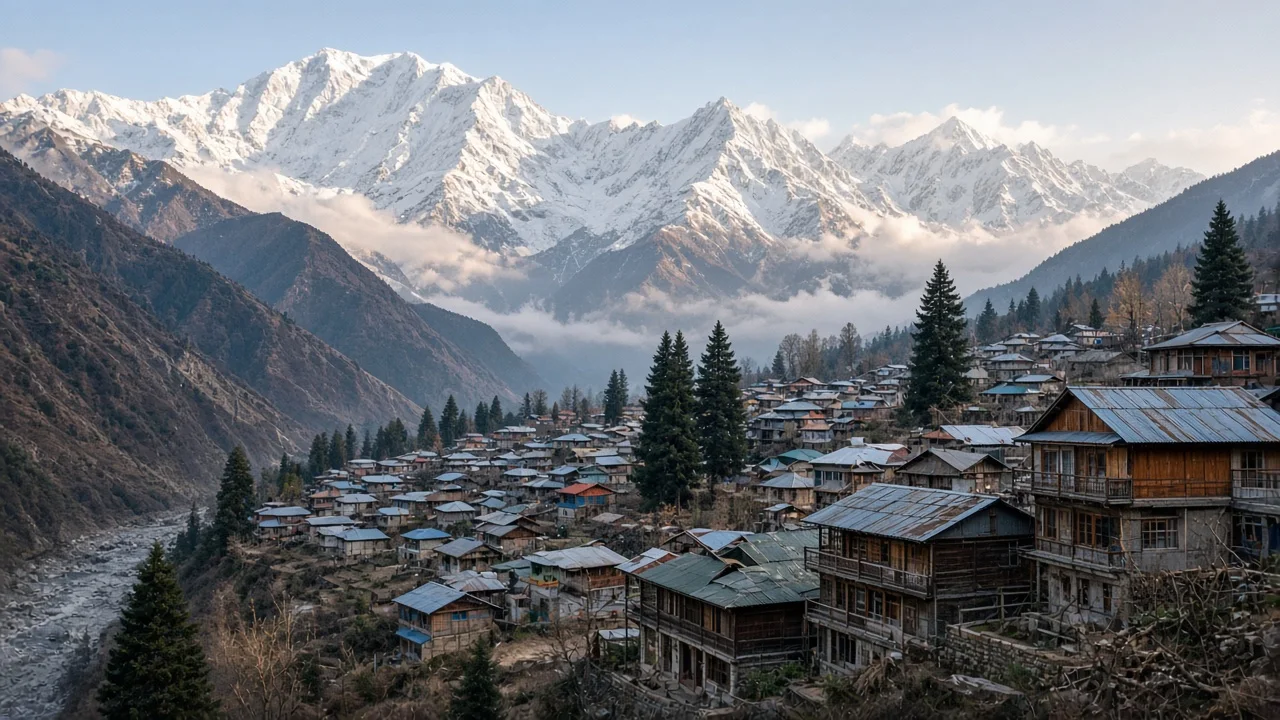
North Sikkim overnight base for Yumthang / Zero Point. Basic valley lodges, early dinners, colder nights than Gangtok Instagram suggests. The village is the pause button between jeep days.
Best for: North package night one / two
Watch: hot water timing, early wake-ups, and "package includes dinner" expectations
Yumthang Valley
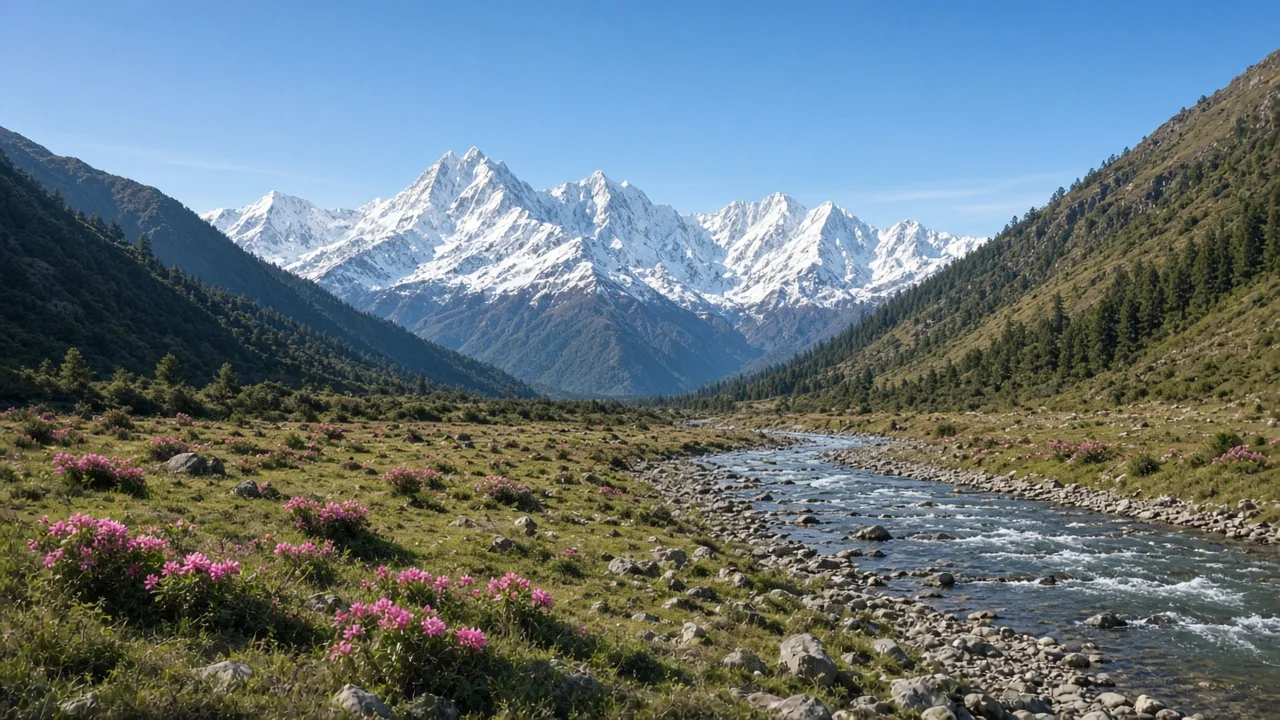
The soft North highlight. Alpine meadow, river, flowers in spring, snow edges in colder months. This is the reason many people book Lachung at all.
Best for: first-timers who want North beauty without going straight to 5,000 m lakes
Watch: weather can hide the meadow in cloud. Still worth it if you dress for wind
Zero Point (Yumesamdong)
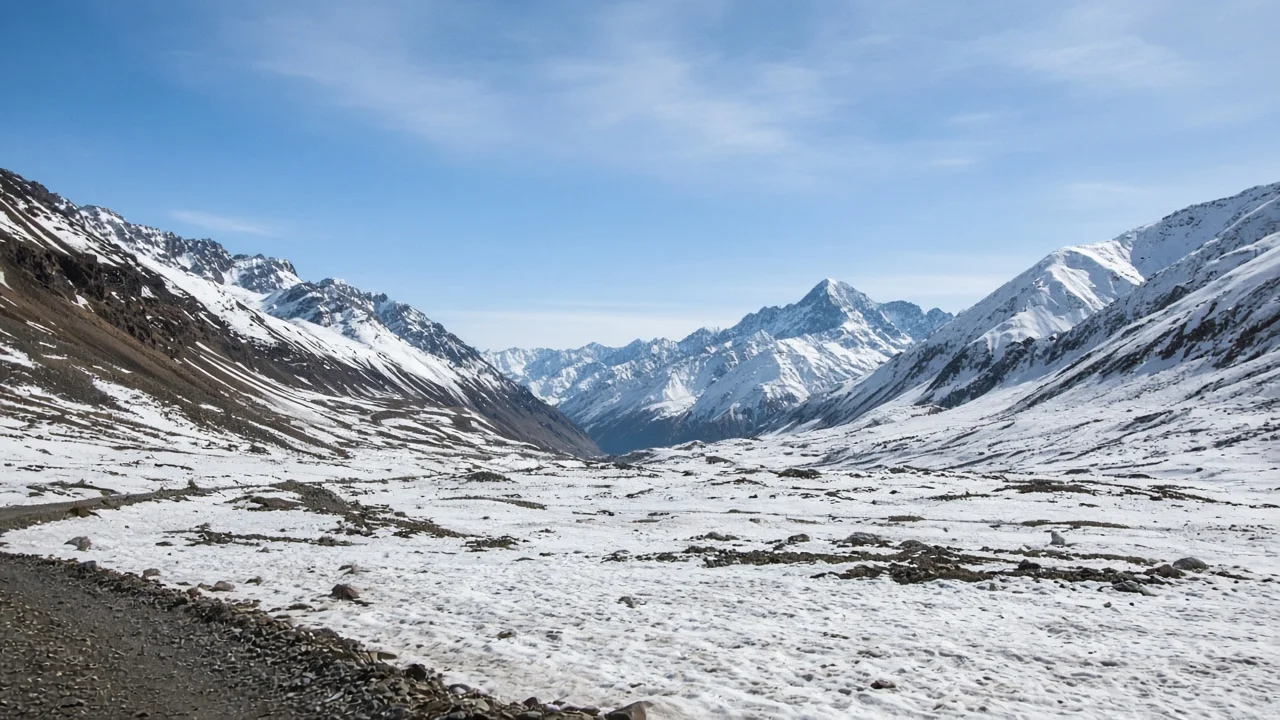
Beyond Yumthang. Snowfields, thin air, and usually a paid vehicle add-on. Magical when open. Miserable if sold as "definitely included" and then cancelled at the tea stall.
Best for: snow seekers with an extra buffer in the North package
Watch: confirm add-on cost in Lachung, and do not force it on anyone feeling AMS
Lachen and Gurudongmar Lake
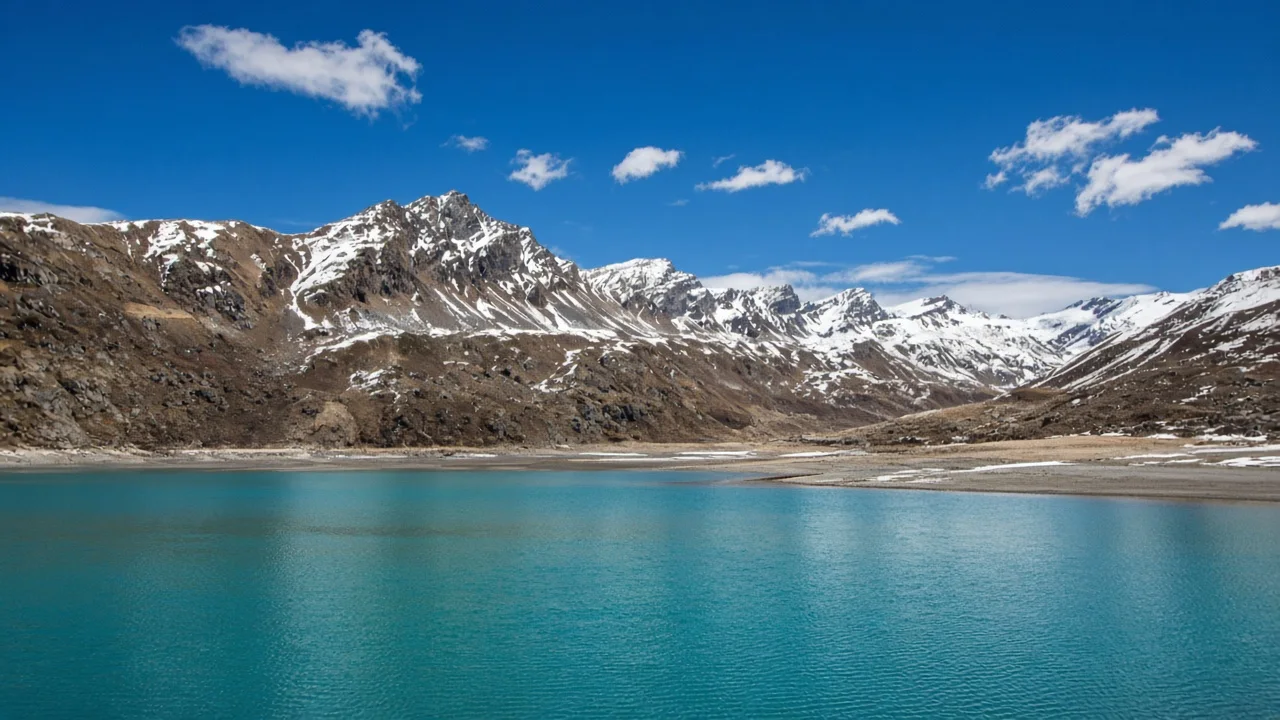
The harder North chapter. Lachen is the base. Gurudongmar is the high lake: barren, sacred, freezing wind, and a serious altitude jump. Indian nationals circuit. Foreign passport rules are often blocked here. Confirm before you promise the group chat.
Best for: 6 to 7+ day trips with a full North package
Watch: pre-dawn starts, AMS, and road closures in deep winter / monsoon
Pelling
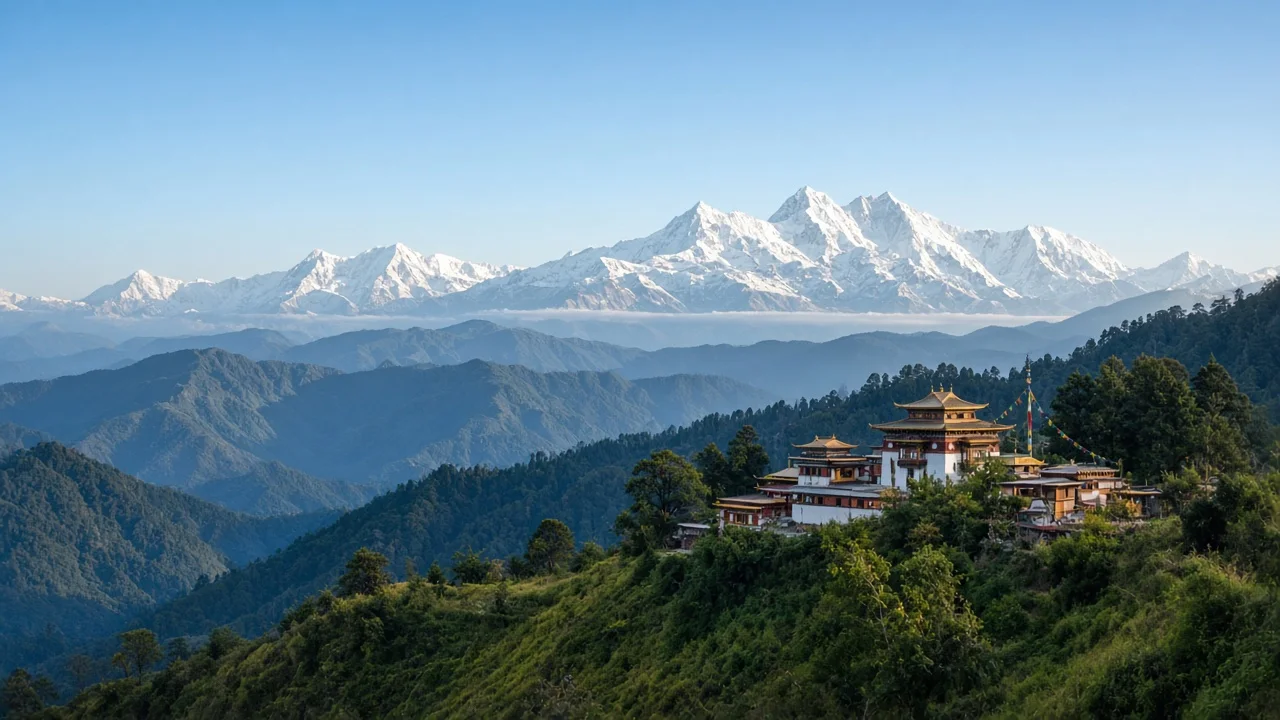
West Sikkim calm. Monasteries, sunrise peak views when the sky behaves, slower evenings than Gangtok. Best when North is shut, or when you want mountains without the permit jeep circus.
Best for: couples, parents, second-time Sikkim without Zero Point FOMO
Watch: cloudy mornings erase the Kanchenjunga flex. Keep one buffer sunrise
Namchi and Ravangla (quick South options)
Softer South Sikkim: bigger statues, monastery views, less altitude stress. Useful add-on on longer trips or when you want culture over snow.
Best for: 7+ day plans or monsoon Plan B
Skip if: you only have five days and North is open. Pick one chapter.
Honest cost bands (per person, land only)
Budget 5 to 6 nights: roughly ₹13k to ₹20k with shared jeeps, simple stays, shared North package where available.
Value mid: roughly ₹22k to ₹32k with better Gangtok rooms and a cleaner North vehicle plan.
Comfort: ₹38k+ when private SUVs, nicer hotels, and buffer days stack up.
Flights / trains to Bagdogra or NJP are extra. North "too cheap" packages often hide missing Gangtok nights, meals, or Zero Point add-ons. Ask for a line-item quote.
Food and packing
Expect thukpa, momos, dal-bhaat comfort, and simple valley meals on MAP plans.
Layers matter more than fashion. Valley nights bite even when Gangtok feels mild.
Sunglasses, sunscreen, lip balm, basic AMS awareness meds after doctor advice, power bank, offline maps.
Cash helps in smaller towns. Cards work better in Gangtok than at every Lachung counter.
Who this trip suits / who should skip
Suits: Indians who want Himalaya without a full Ladakh commitment, and can handle early jeep mornings.
Suits: First-timers who keep Gangtok as base and buy North through a registered operator.
Skip / rethink: Strict monsoon dates with zero flexibility.
Skip / rethink: Infants on high North circuits (operators often restrict very young kids).
Skip / rethink: Anyone promising Gurudongmar to a foreign passport without checking current rules.
Before you book checklist
□ Season chosen with road reality, not only Instagram snow
□ Operator registered for PAP / North vehicles
□ ID copies + photos ready for permits
□ Line-item cost: Gangtok nights, North nights, meals, Zero Point, permits
□ Altitude comfort check for the group
□ Buffer day if monsoon or deep winter
Final verdict
For Indians in 2026, Sikkim works when you treat it as Gangtok base + one honest mountain chapter, with permits handled like paperwork, not vibes.
Kanchenjunga is the flex when the sky opens. The trip survives because you planned for closed roads, thin air, and a quote that actually includes the nights you will sleep there.

Conversation
0 comments