
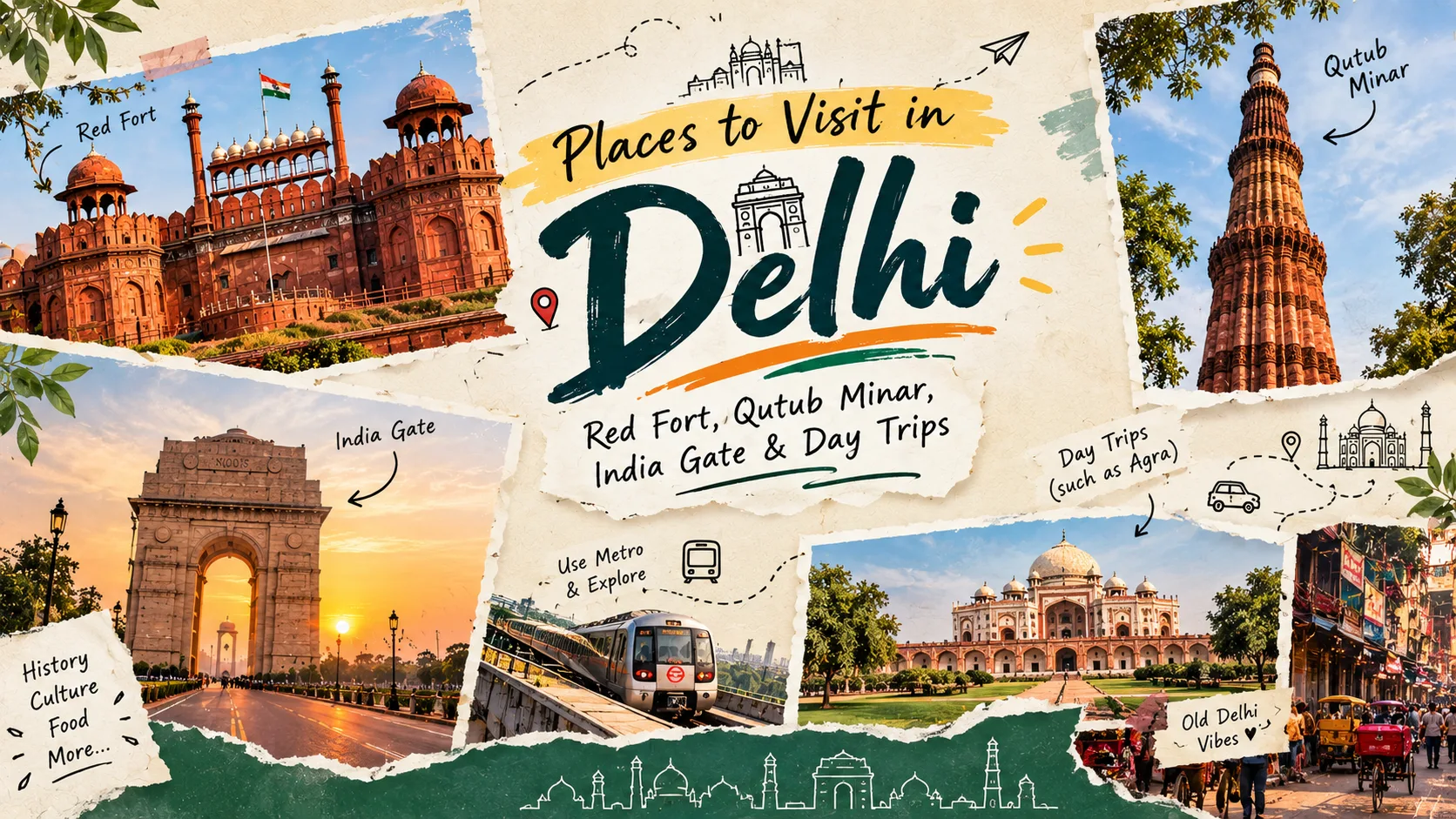
Delhi is not one city. It is several capitals stacked on the same plain, arguing politely in stone. You can spend a morning inside a Mughal fort and an evening under a lotus-shaped Baháʼí house of worship without leaving the metro map. If you try to “do Delhi” as a checklist, the heat and the traffic will do you first.
This is a working map: Old Delhi’s lanes and mosques, the Mughal and Sultanate tombs of South Delhi, the ceremonial stretch around India Gate, modern temples and gurdwara calm, parks that still smell of trees, and the Agra day trip everyone pretends they will skip.
Group by zone. Use the metro. Carry water. Fridays, prayer times, and winter fog will rearrange any plan that looks tidy on paper.
How to read this city
Old Delhi: Red Fort, Jama Masjid, Chandni Chowk, Raj Ghat
South Delhi heritage: Qutub Minar, Humayun’s Tomb, Hauz Khas, Lodhi Garden, Purana Qila, Nizamuddin
Central / New Delhi: India Gate, Connaught Place, Jantar Mantar, Agrasen ki Baoli, Bangla Sahib
East / modern landmarks: Lotus Temple, Akshardham
Nearby: Agra (Taj Mahal day trip)
Old Delhi: red sandstone, lanes, and the Yamuna edge
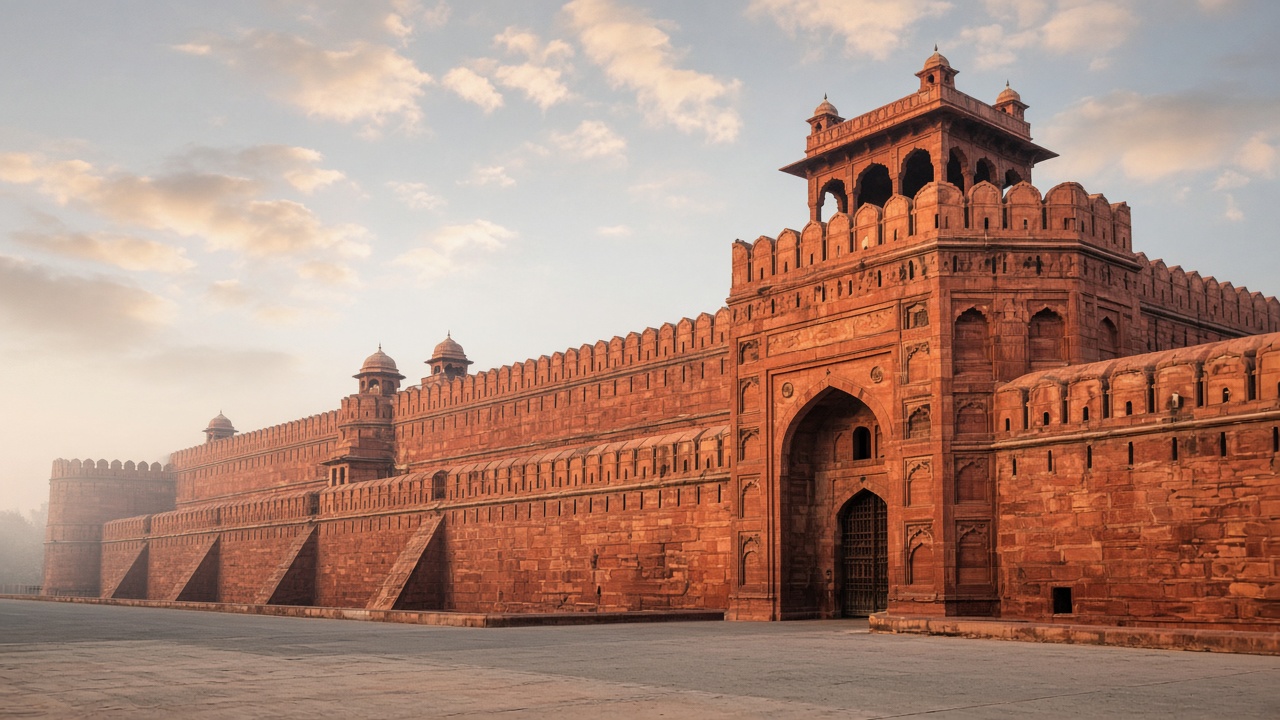
Red Fort (Lal Qila)
Shah Jahan’s 17th-century fort on the Yamuna’s old bank, UNESCO-listed, still the Independence Day backdrop. Lahori Gate, Diwan-i-Aam, Diwan-i-Khas, and the red walls that somehow look softer in late afternoon. Ticketed. Closed Mondays. Sound-and-light some evenings if you want theatre after the stone.
Do: Morning for cooler walks, or late afternoon for warmer stone light. Pair with Jama Masjid and Chandni Chowk the same half-day.
Don’t: Arrive at noon in May and expect romance. The courtyard heat is honest.
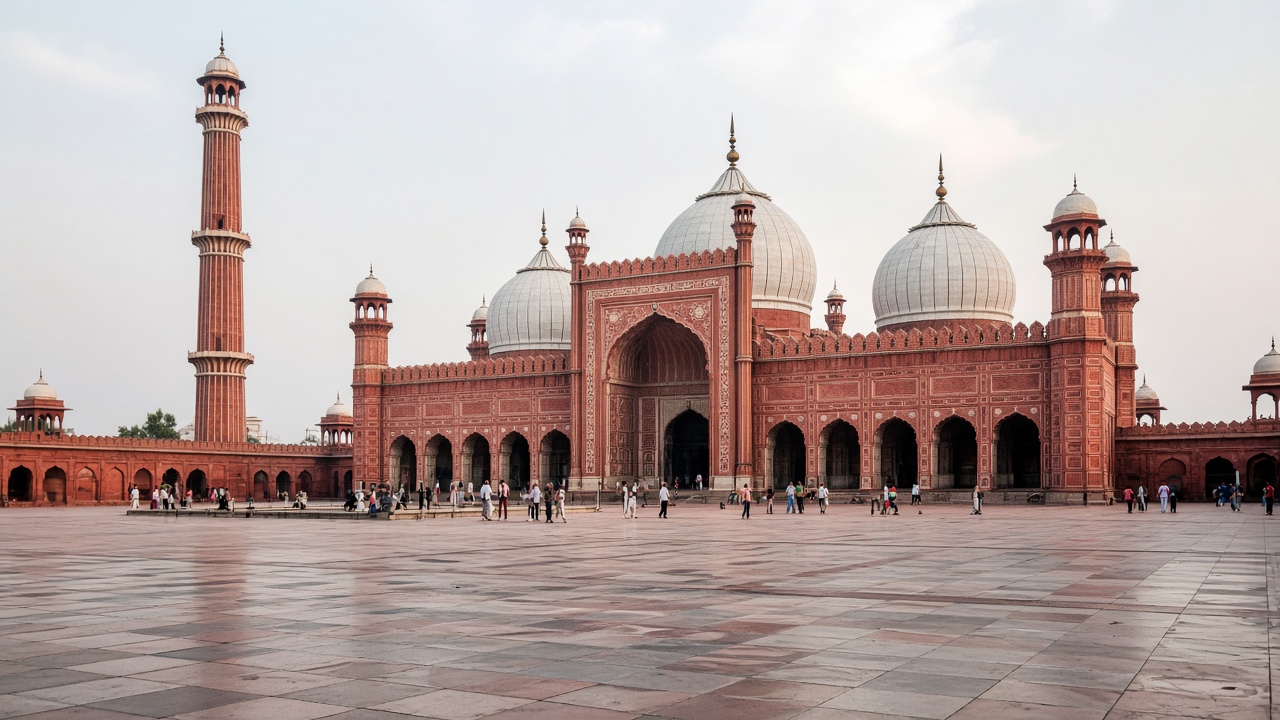
Jama Masjid
One of India’s largest mosques, built under Shah Jahan, facing the Red Fort across Old Delhi’s densest stretch. Courtyard, minarets, Friday crowds that are devotion first and tourism second. Climb rules and camera rules shift; ask on site and dress modestly.
Do: Cover shoulders and legs. Soft clothes for stone heat. Go outside peak prayer if you want space to stand still.
Don’t: Treat the courtyard like a fashion set. Shoes off, voices down.
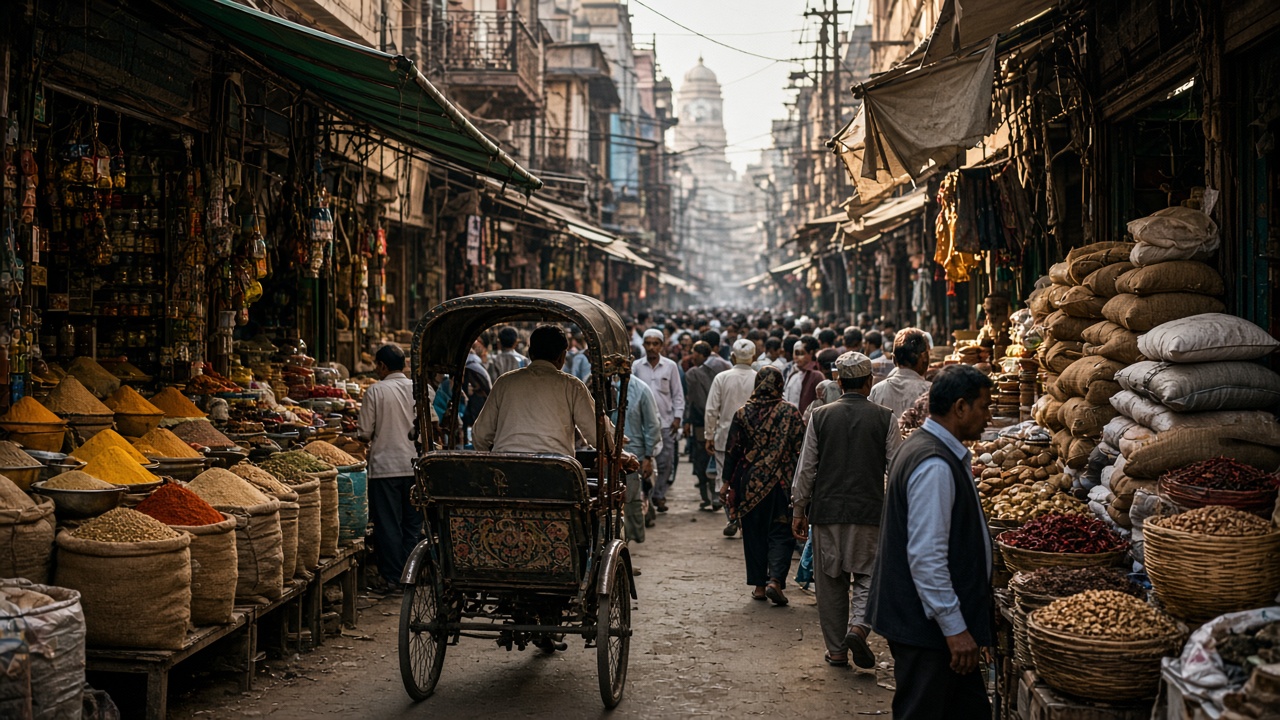
Chandni Chowk
Mughal-era market spine that still sells everything loudly: fabric, silver, street food, wedding kits, and elbows. Cycle-rickshaws, temple and gurdwara stops nearby, lanes that laugh at Google Maps. Eat carefully; walk slowly; buy one useful thing.
Do: Morning or late afternoon. Paratha wali gali or a known sweet shop if your stomach is brave. Keep bags closed and phones pocketed.
Don’t: Drive a car into the thick of it for “quick photos.” You will invent new vocabulary.
Raj Ghat
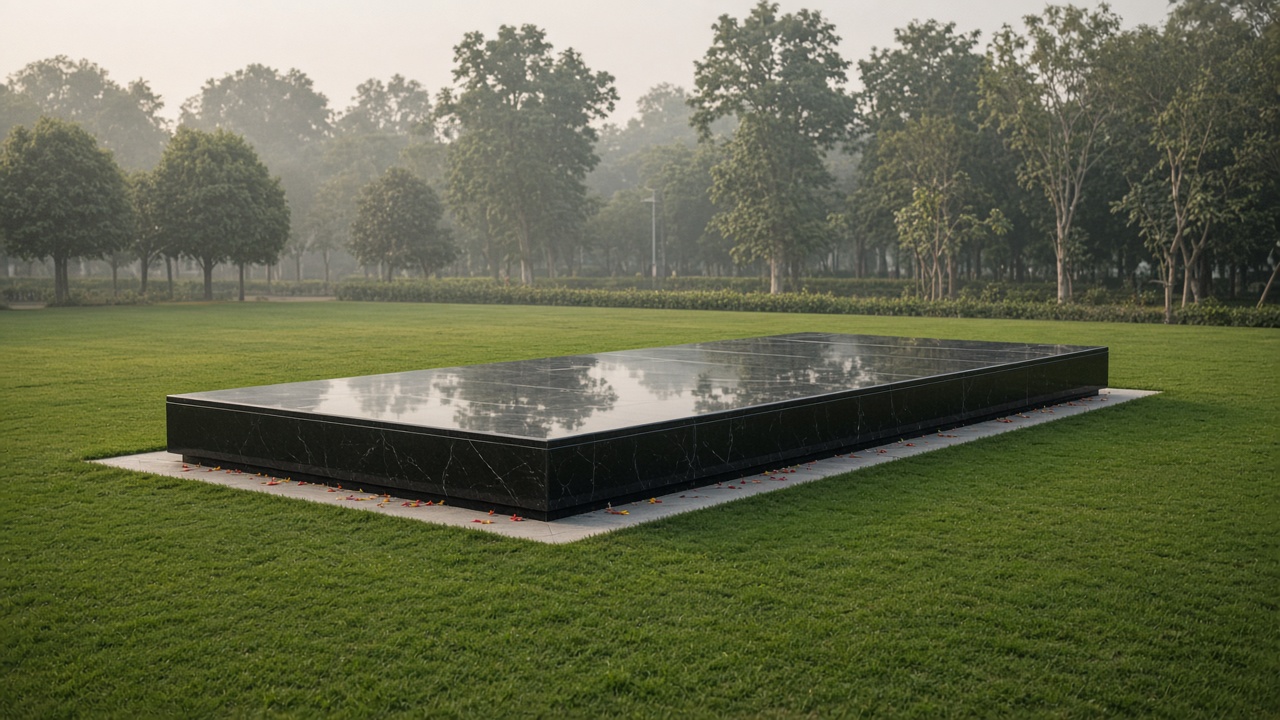
Gandhi’s memorial on the Yamuna bank: black marble platform, lawns, a quieter hour than the fort’s plaza. Free, open, often school groups and pilgrims. Soft place to reset between Old Delhi’s noise and the next metro.
Do: Short respectful visit. Combine with Red Fort if you are already east of the walls.
Don’t: Loud selfies on the platform. The lawns are the better photograph anyway.
South Delhi: tombs, towers, and green ruins
Qutub Minar
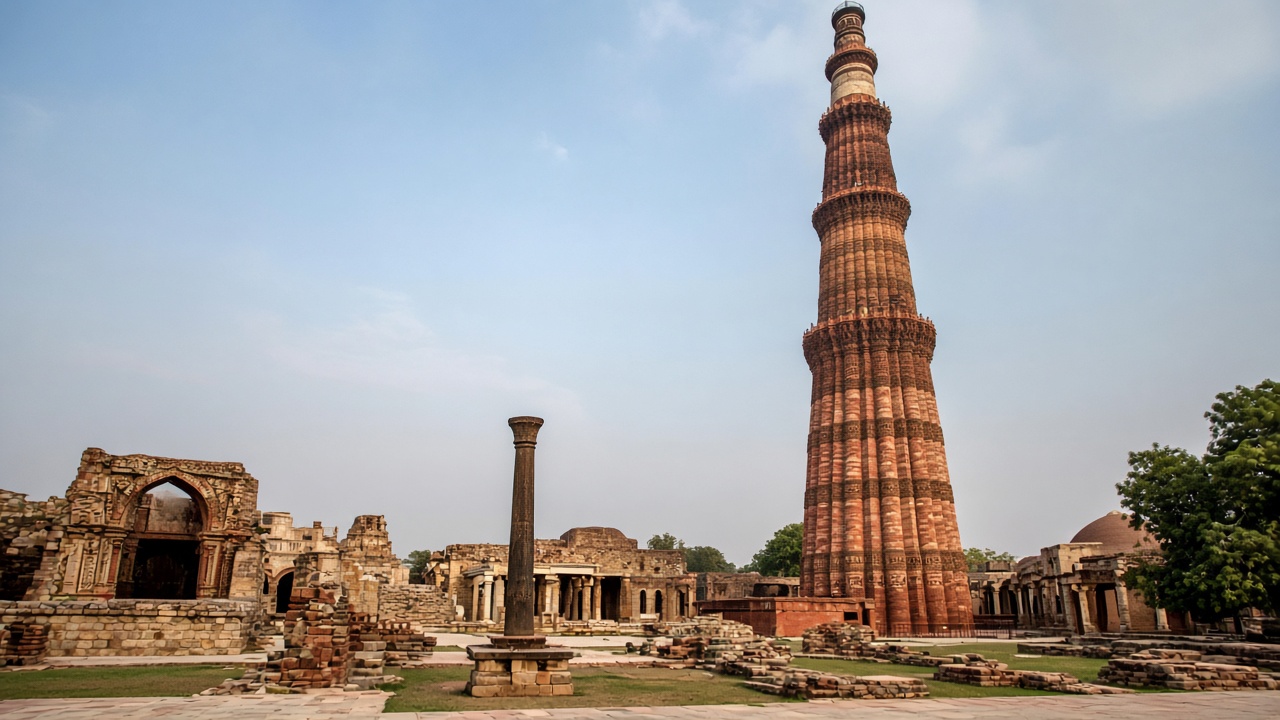
72-metre brick minaret from the early Delhi Sultanate, UNESCO complex with Quwwat-ul-Islam mosque ruins, Iron Pillar, and the unfinished Alai Minar stump. Mehrauli’s stone forest. Ticketed. Closed for climbing the tower itself; the complex walk is the visit.
Do: Morning light on the fluted tower. Give the surrounding ruins real time, not only the selfie angle.
Don’t: Stack Qutub, Humayun, and Lotus Temple into one breathless afternoon unless your feet filed a consent form.
Humayun’s Tomb
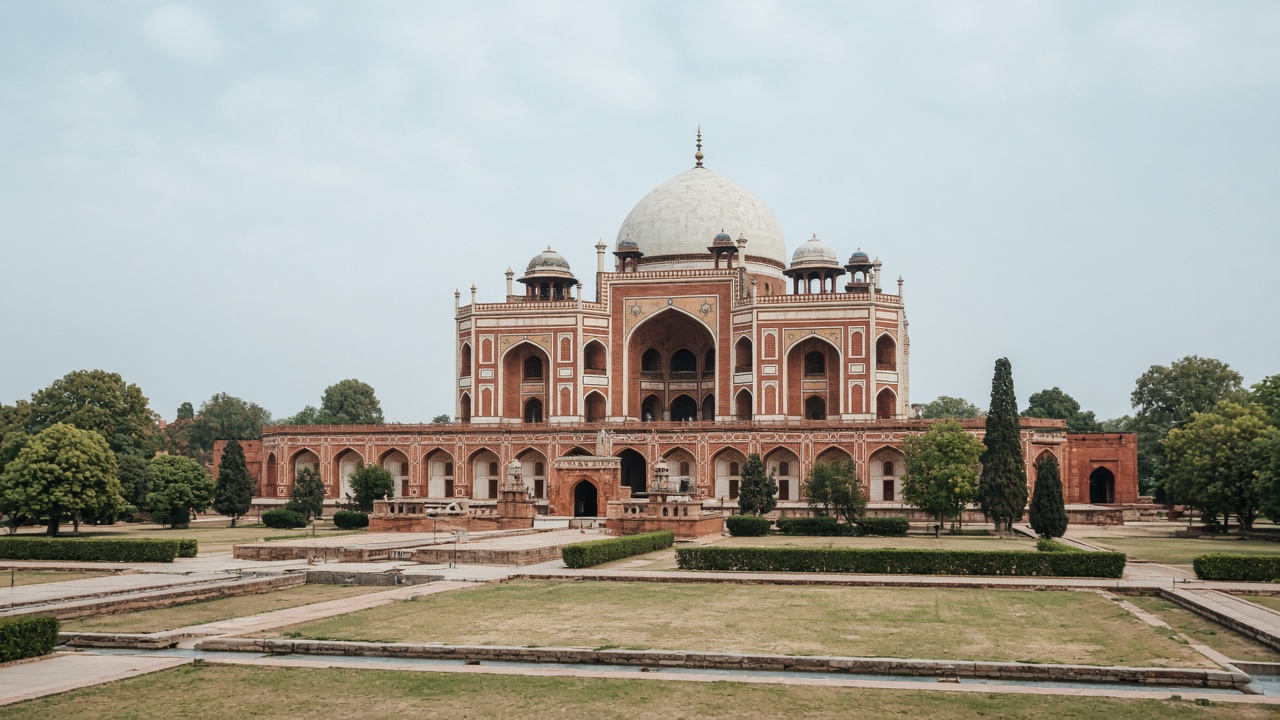
Persian-garden tomb that taught later Mughals how to build, including the Taj’s lineage. Red sandstone, white marble inlay, charbagh water channels, and a quieter crowd than Red Fort on most weekdays. UNESCO. Ticketed. Nizamuddin is a short hop away.
Do: Late afternoon when the sandstone warms. Walk the garden axes. Pair with Nizamuddin or Lodhi if energy holds.
Don’t: Treat it as a five-minute photo stop. The garden is half the point.
Lodhi Garden
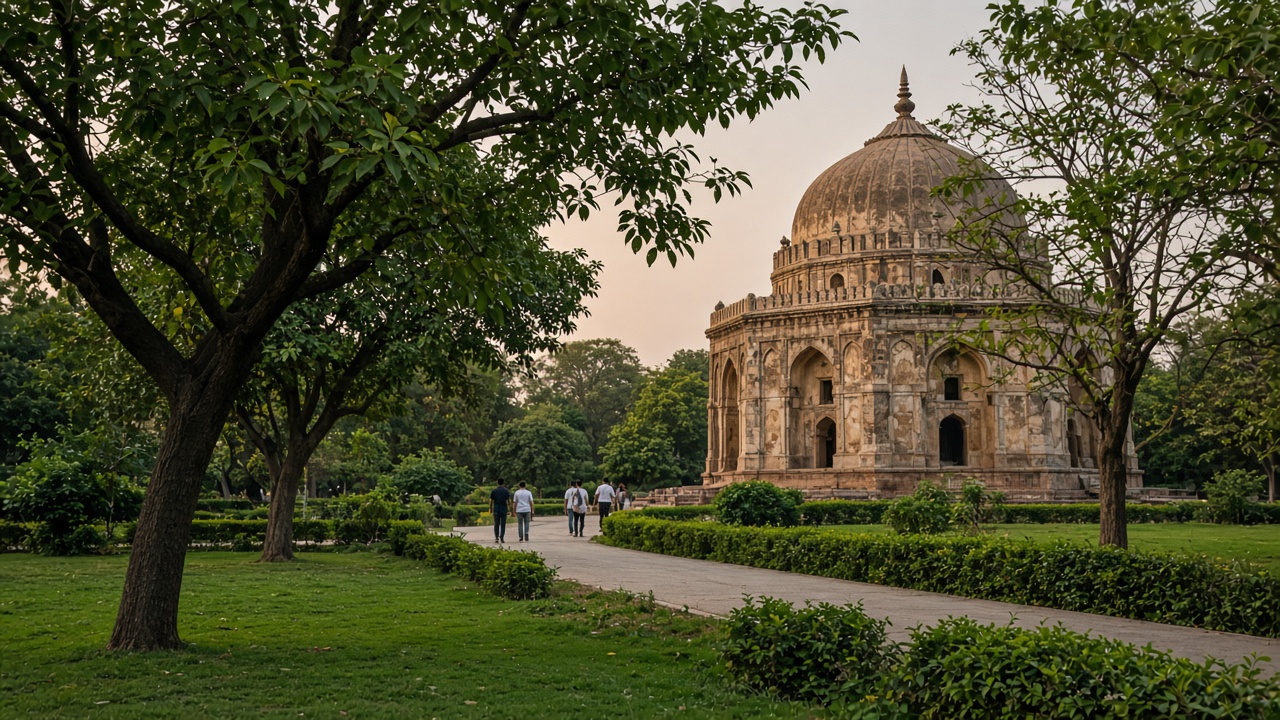
Landscaped park with Lodhi and Sayyid tombs scattered like stone punctuation. Joggers at dawn, families at dusk, ruins you can actually sit beside without a ticket queue. One of Delhi’s best free hours if you want green without leaving Central/South.
Do: Early morning walk. One tomb, one lawn, one coffee after outside the gates.
Don’t: Expect deserted silence on weekend evenings. Bring soft shoes, not monument fatigue.
Hauz Khas Village & complex
Medieval reservoir, madrasa ruins, and a village of cafés and boutiques perched on the edge. Deer park walks nearby if you want trees. The ruin complex is the history; the village is the evening social layer. Both work if you do not confuse them.
Do: Daylight for the tank and tombs. Evening for a café stop if that is your mood.
Don’t: Only Instagram the village and skip the waterbody. The hauz is why the name exists.
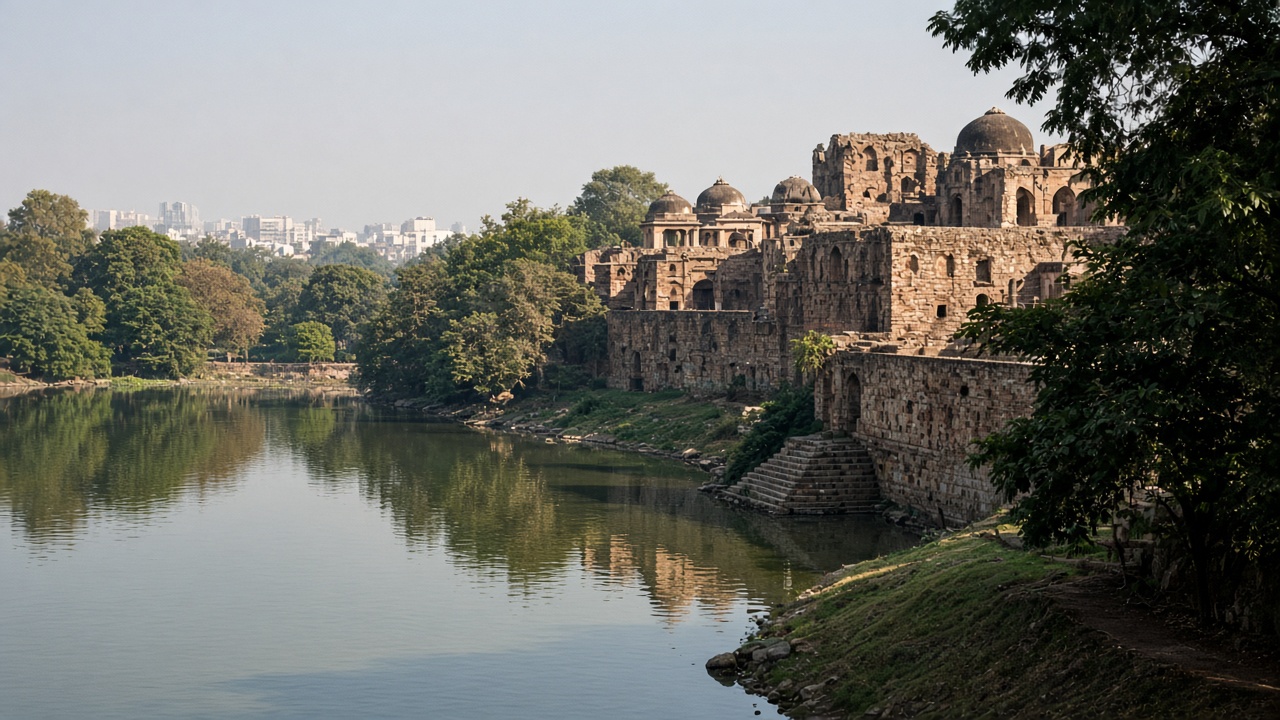
Purana Qila
Old Fort near Zoo and Pragati Maidan: massive ramparts, a lake, and the sense that Delhi has been rebuilding itself here for centuries. Quieter than Red Fort for many visitors. Good half-stop between Central and East Delhi plans.
Do: Afternoon walls and gate photos. Combine with India Gate or Humayun depending on traffic mood.
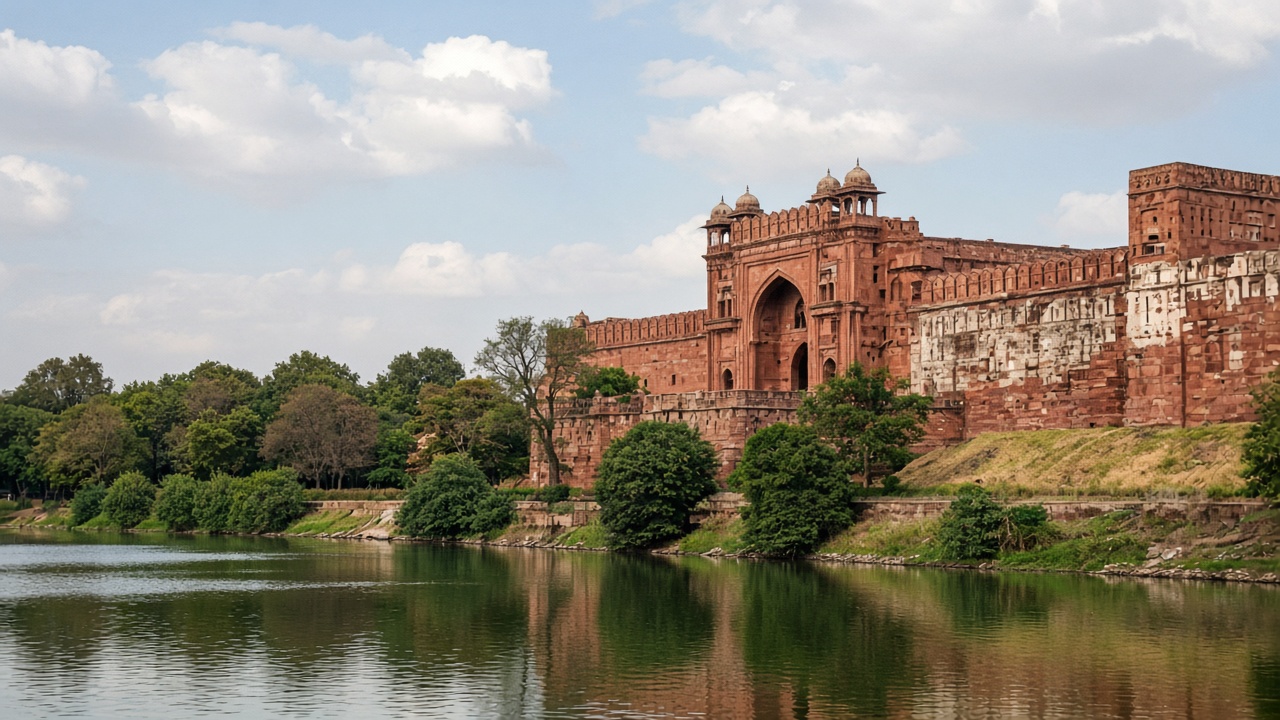
Nizamuddin Dargah
Sufi shrine of Hazrat Nizamuddin Auliya: marble courtyards, qawwali evenings, food lanes, and a living neighbourhood of devotion. Humayun’s Tomb is nearby. Dress modestly; Friday and Thursday evenings have their own energy.
Do: Soft evening visit if qawwali is on. Keep photography respectful. Eat something simple nearby if the lane calls.
Don’t: Rush through like a museum. This is a shrine community first.
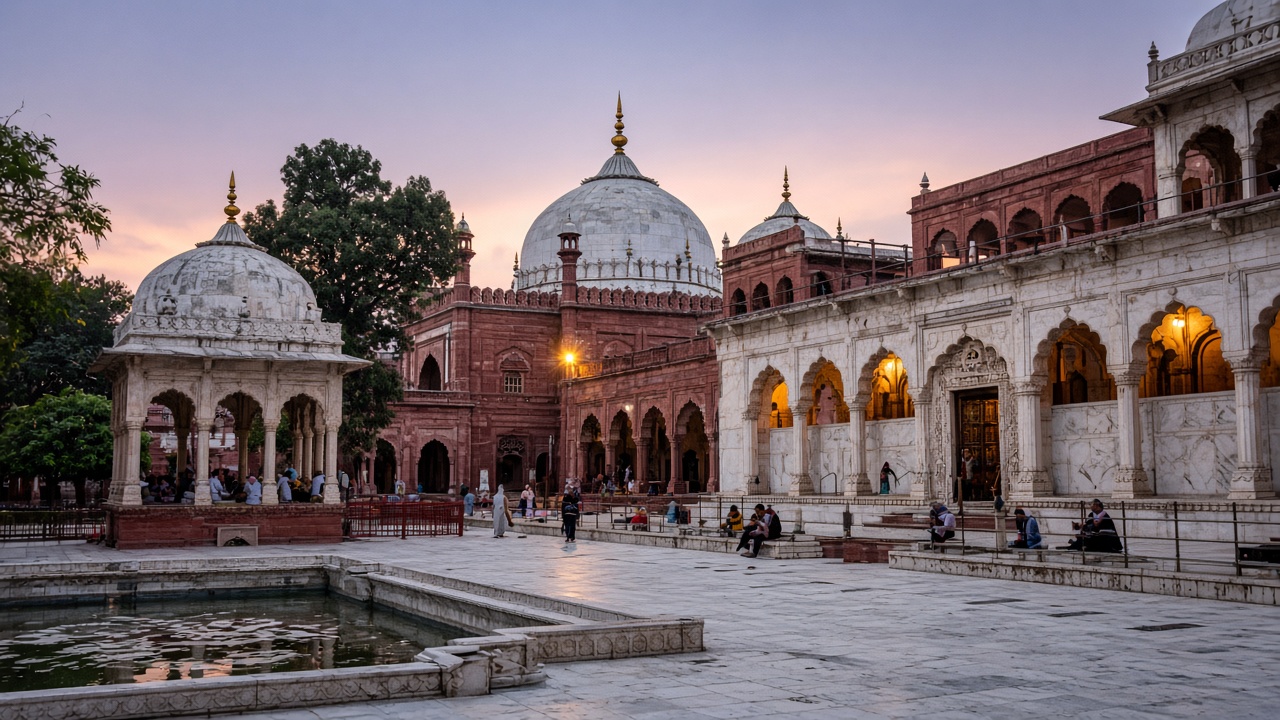
Central Delhi: axes, circles, and stepwells
India Gate & Rajpath stretch
War memorial arch on the ceremonial axis, lawns that fill with families after sunset, and the skyline of ministries and Rashtrapati Bhavan in the distance. Free. Best as evening air and light, not as a midday bake on the lawn.
Do: Sunset into blue hour. Walk a stretch of the Kartavya Path if open and pleasant. Keep valuables close in dense crowds.
Don’t: Block the arch for twenty group poses while traffic and police have other plans.
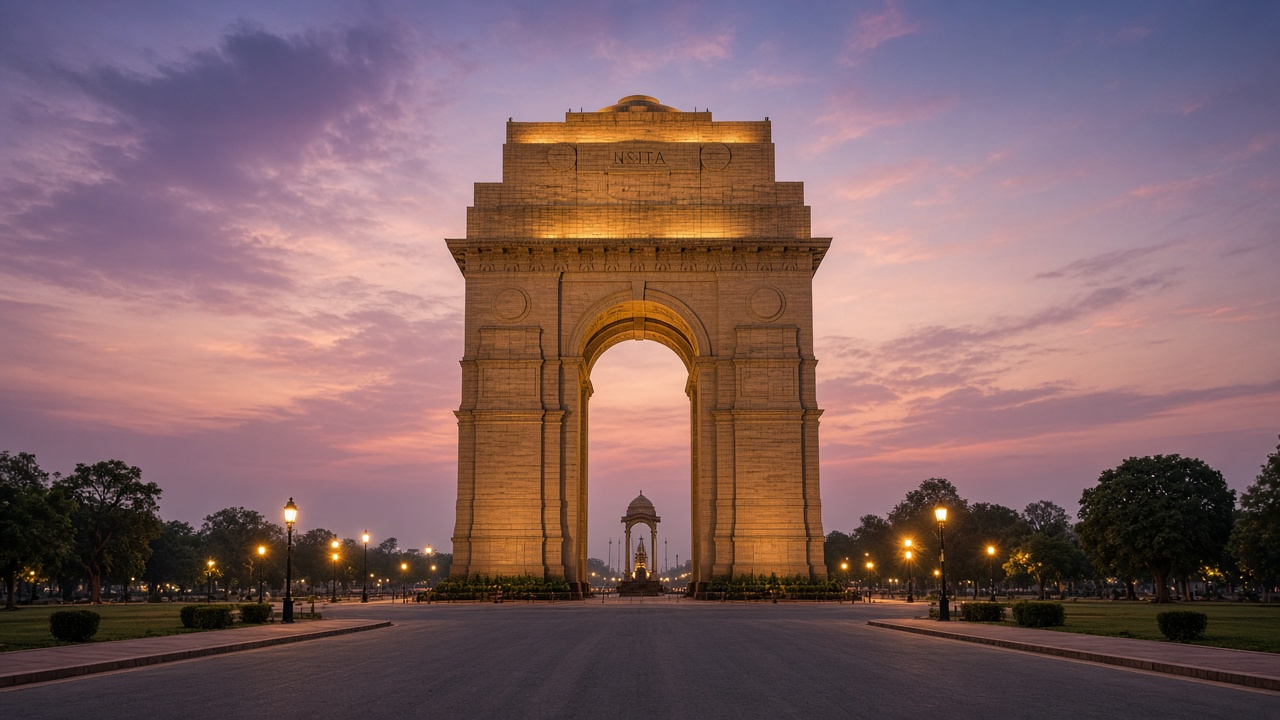
Connaught Place (CP)
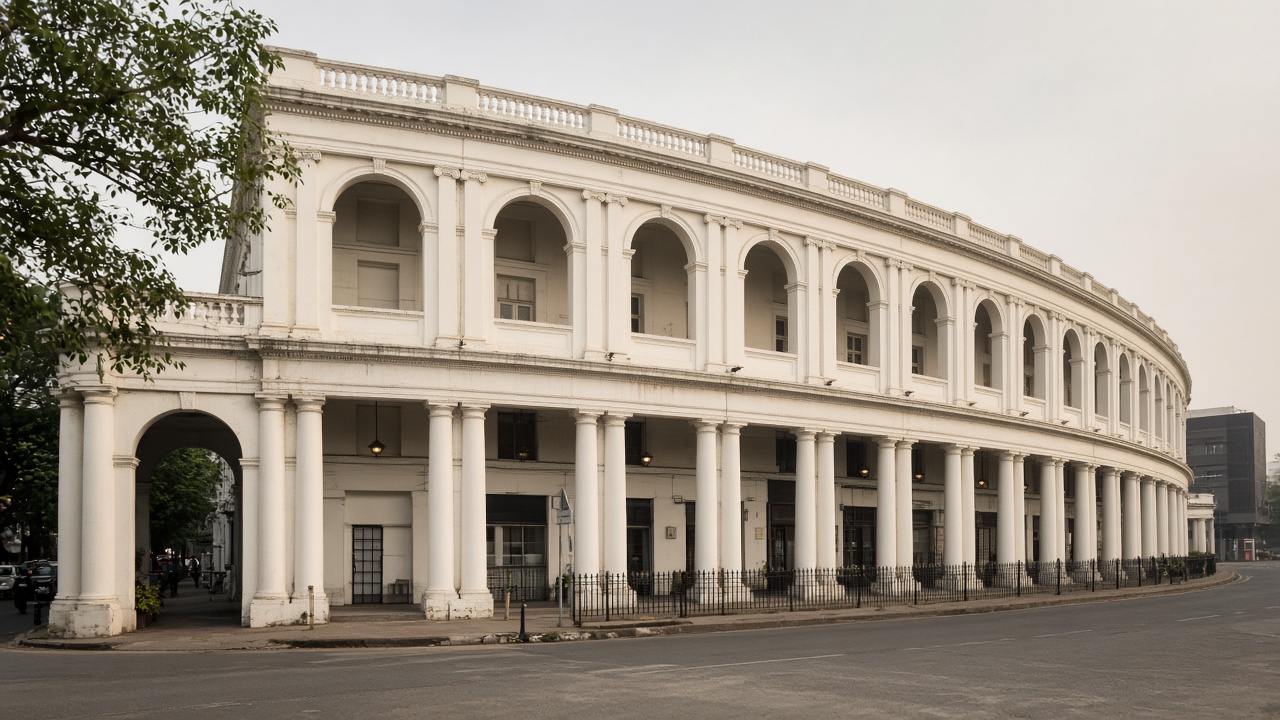
Lutyens-era circular market: white colonnades, concentric rings, metro hub, and a mix of shops that range from heritage to chain. Not a monument; a navigation centre. Agrasen ki Baoli and Jantar Mantar sit close enough to walk.
Do: Use it as a base. One colonnade walk. Metro in and out instead of parking roulette.
Don’t: Expect Old Delhi drama. CP is organised chaos with better signage.
Jantar Mantar
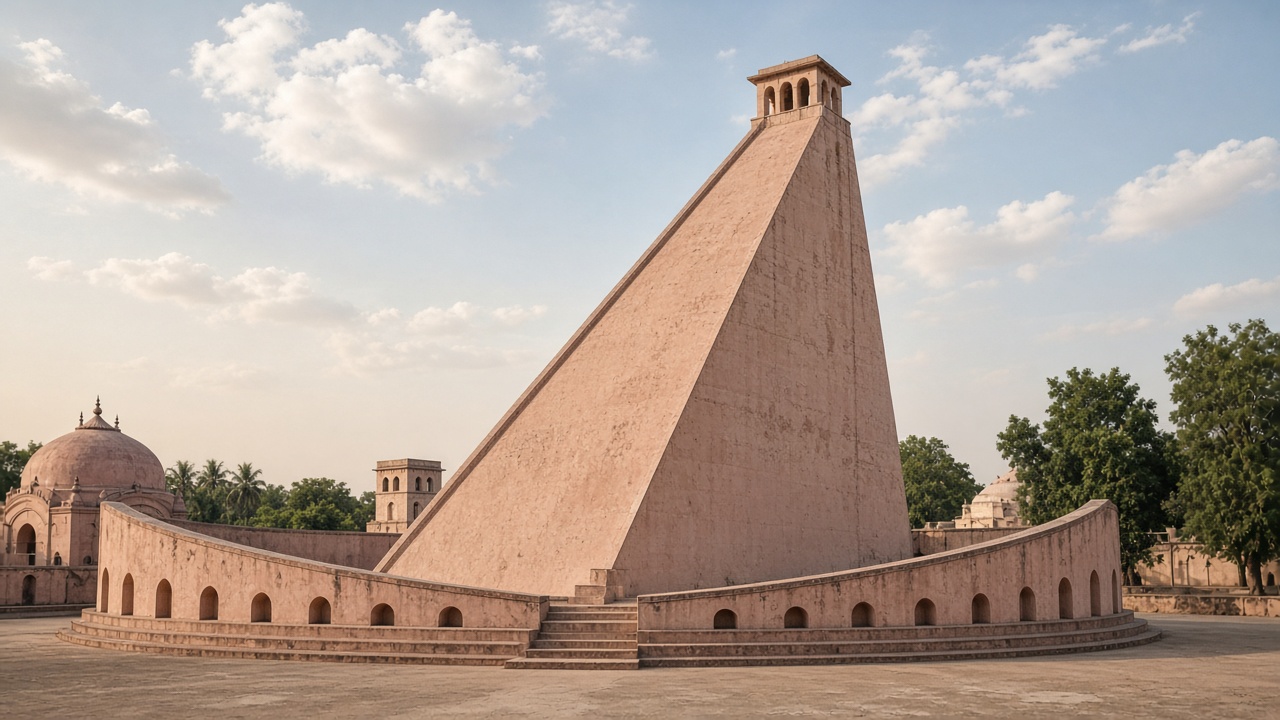
18th-century astronomical observatory of giant masonry instruments, including the Samrat Yantra sundial. Odd, photogenic, and denser with meaning if you read a board or two. Short visit near CP.
Do: Mid-morning light. Ten focused minutes beat a bored loop.
Agrasen ki Baoli
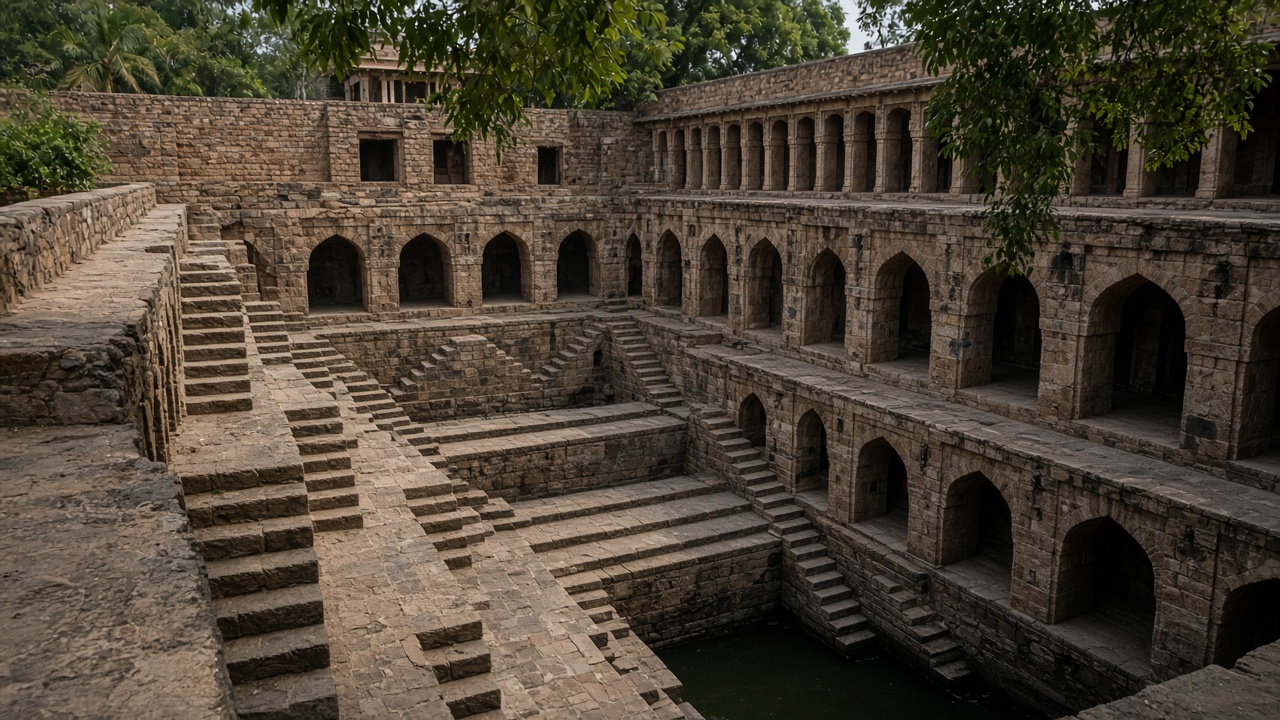
Stepwell dropped into the business district near CP: deep stone levels, a sudden cool, and a queue that still surprises first-timers. Free or low-friction entry depending on current rules. Best as a 20-minute detour, not a half-day.
Do: Soft light for depth photos. Watch your step on the tiers.
Don’t: Crowd the bottom for a Reel while others are trying to descend.
Bangla Sahib Gurdwara
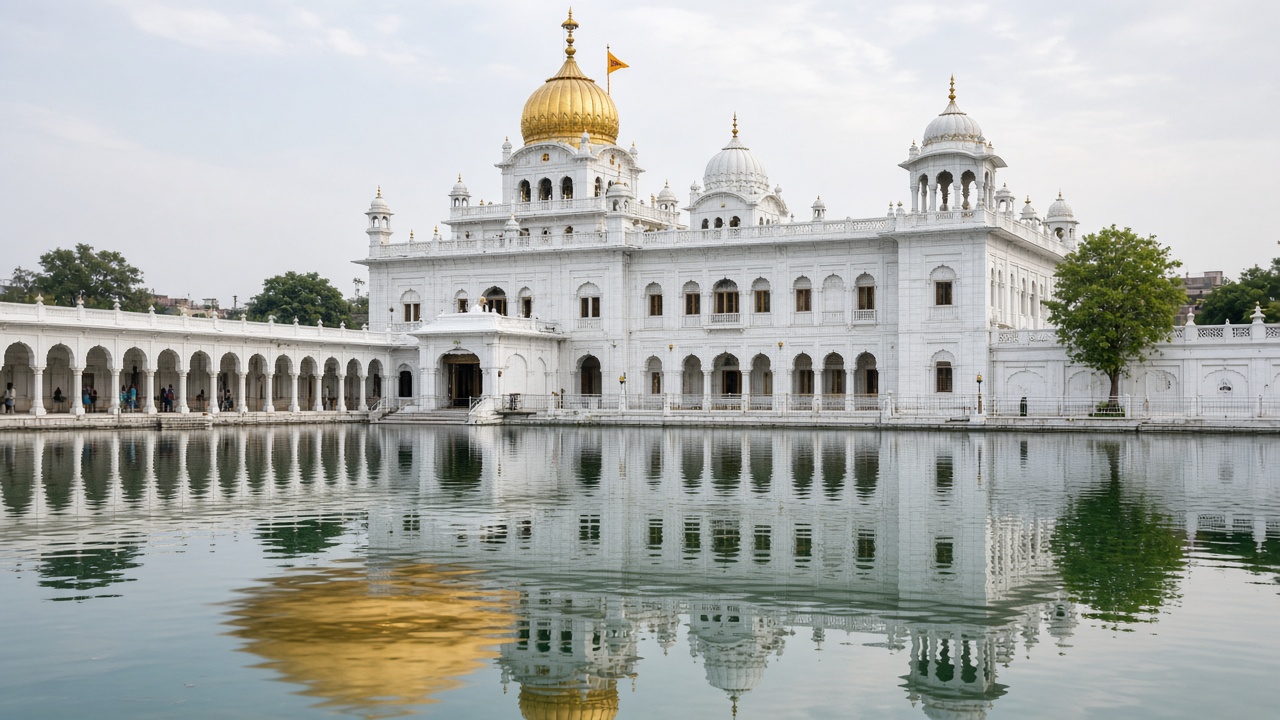
Major Sikh gurdwara near Connaught Place: white-and-gold dome, sarovar, langar that feeds whoever sits. Modest dress, head covered, shoes off. One of Delhi’s calmest public rooms if you arrive with quiet.
Do: Cover your head. Sit for langar if offered and you have time. Keep phones low.
Don’t: Treat the sarovar edge like a sightseeing balcony.
East Delhi landmarks: lotus and light
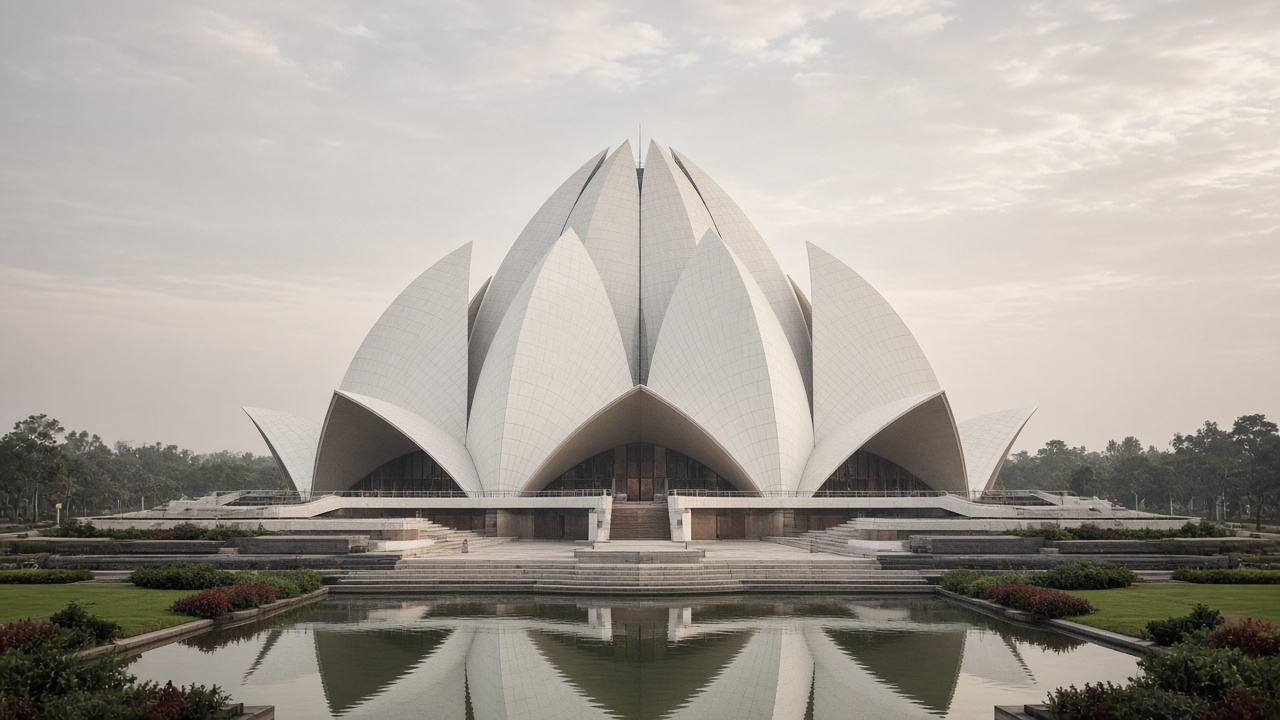
Lotus Temple
Baháʼí House of Worship shaped like a marble lotus, set in gardens in South-East Delhi. Silent interiors, shoe racks, and queues that swell on weekends. Closed Mondays. No photography inside the prayer hall typically.
Do: Morning for softer light and shorter lines. Sit in silence for a few minutes. Walk the gardens.
Don’t: Talk through the hall. The quiet is the architecture’s other material.
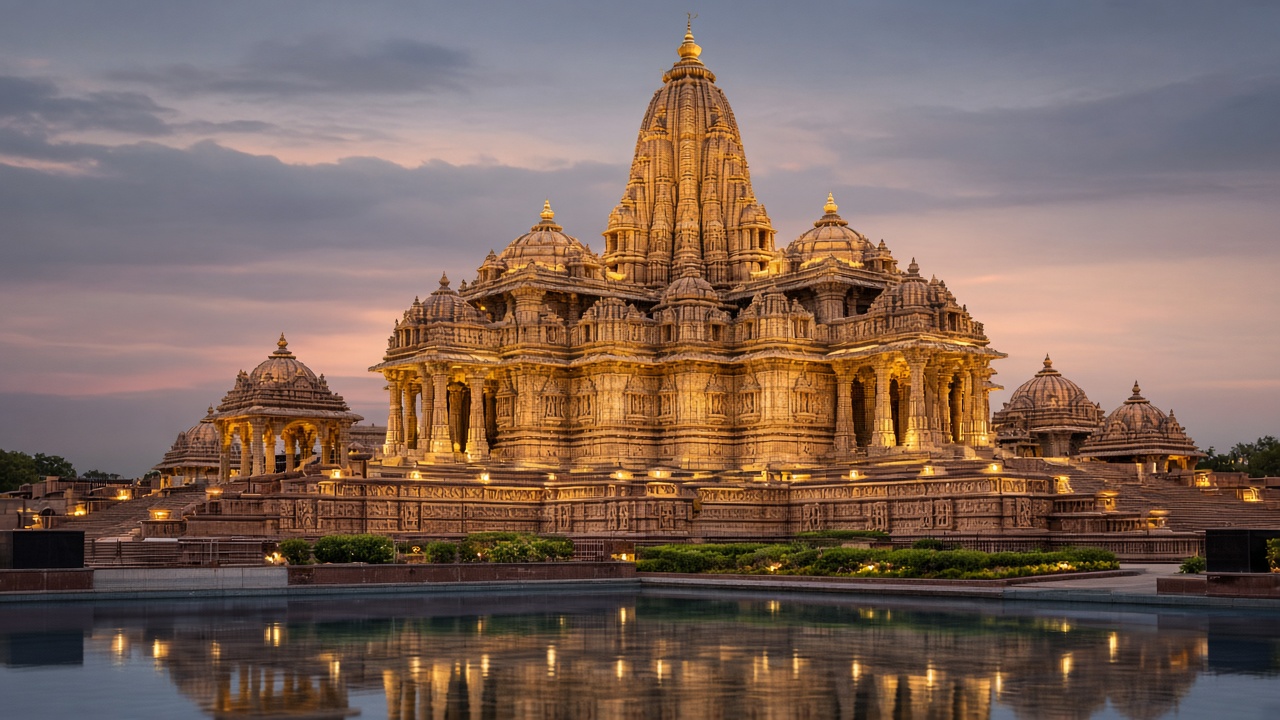
Akshardham Temple
Vast modern Hindu temple complex on the Yamuna’s east bank: carved stone, exhibitions, gardens, and evening water show on some days. Security is airport-level: no large bags, no phones in many zones. Plan two to four hours, not a drive-by.
Do: Check opening and show timings. Travel light. Go for the scale and craft, not a quick tick.
Don’t: Arrive with a suitcase of gadgets and argue at security. Rules are firm.
Nearby: the Agra day trip
When Delhi’s layers start repeating, leave for Agra. The Taj Mahal is the reason most visitors book the early train or a private car.
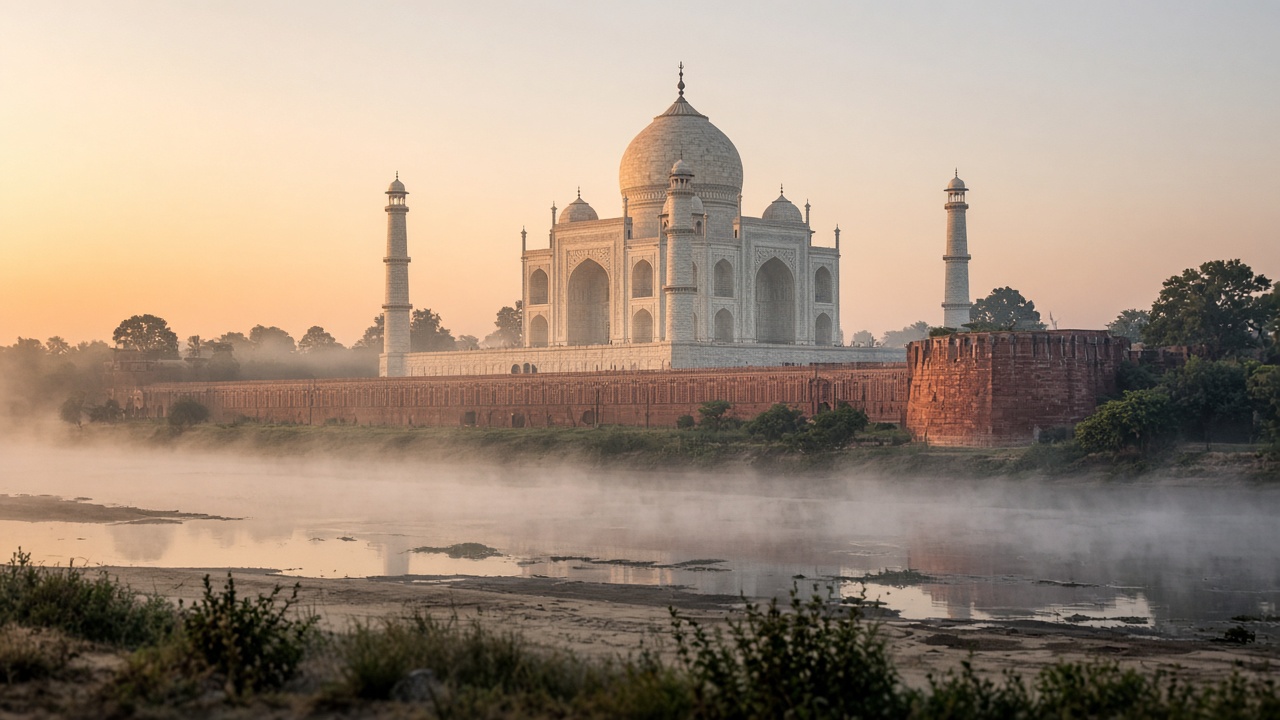
Agra & the Taj Mahal (~200–230 km, ~3–4 hrs each way)
UNESCO marble mausoleum on the Yamuna. Sunrise tickets, mist if you are lucky, and a full day if you add Agra Fort. Closed Fridays for the main mausoleum typically. Yamuna Expressway makes the drive cleaner than older routes; trains work if you hate highway theatre.
Do: Leave Delhi before dawn for sunrise, or take an early train. One fort stop. Return before night traffic invents new characters.
Don’t: Try Red Fort + Qutub + Taj in one human day. That is a logistics stunt, not a trip.
A practical way to spend 3–5 days
Day 1: Red Fort morning. Jama Masjid and Chandni Chowk. Raj Ghat if energy holds. Metro out before the lanes win.
Day 2: Humayun’s Tomb and Nizamuddin. Lodhi Garden late afternoon. India Gate after dark.
Day 3: Qutub Minar morning. Hauz Khas complex. Lotus Temple or Bangla Sahib depending on mood.
Day 4: CP, Jantar Mantar, Agrasen. Akshardham for the long afternoon/evening if you want scale.
Day 5 (optional): Agra for the Taj. Or Purana Qila + a slow museum hour if you refuse another highway.
Food is also a place
Delhi eats between centuries. Old Delhi means fried breads, kebabs, and sweets that arrive faster than the rickshaw. CP and Khan Market mean calmer tables. South Delhi cafés refill you after tomb walks. Build meals into the map. A city this layered runs on chai and stubborn appetite as much as on metro lines.
Before you go
Oct–March is the kind season for outdoor walking. Summer heat is a character with opinions. Monsoon is sticky and green.
Metro beats cars for most tourist corridors. Autos help the last mile; agree the meter or a clear fare.
Red Fort and many ASI sites close Mondays. Lotus Temple closed Mondays. Taj typically closed Fridays.
Modest dress at mosques, gurdwaras, and temples. Head cover at Bangla Sahib.
Winter fog can delay flights and Agra road plans. Keep a buffer.
What to skip if time is tight
Not every gate needs your weekend. If you have one day, protect Old Delhi morning + one South Delhi tomb (Humayun or Qutub) + India Gate evening, then stop. If heat wins, skip Akshardham’s full circuit and keep Bangla Sahib or Lodhi as the soft hour. If markets exhaust you, skip Chandni Chowk without guilt and stay on the metro grid. If you came for marble and gardens, Humayun beats another mall evening in Saket. Delhi is layered. You are allowed to leave layers for next time.
The best version of this city is not the longest list. It is the hour red sandstone cools at the Fort, the quiet inside the lotus petals, and the lawn lights under India Gate before you admit you are hungry again.



Conversation
0 comments