Gokyo Lake Trek: Exploring the Quieter Side of Nepal’s Everest Region
The Everest region of Nepal is famous for its legendary trekking routes, particularly the journey to Everest Base Camp. However, beyond the popular trail lies another incredible adventure that offers a…
The Everest region of Nepal is famous for its legendary trekking routes, particularly the journey to Everest Base Camp. However, beyond the popular trail lies another incredible adventure that offers a different perspective of the Himalayas: Gokyo Lake Trek( https://gloriousecotrek.com/trip/gokyo-lakes-trek/) .
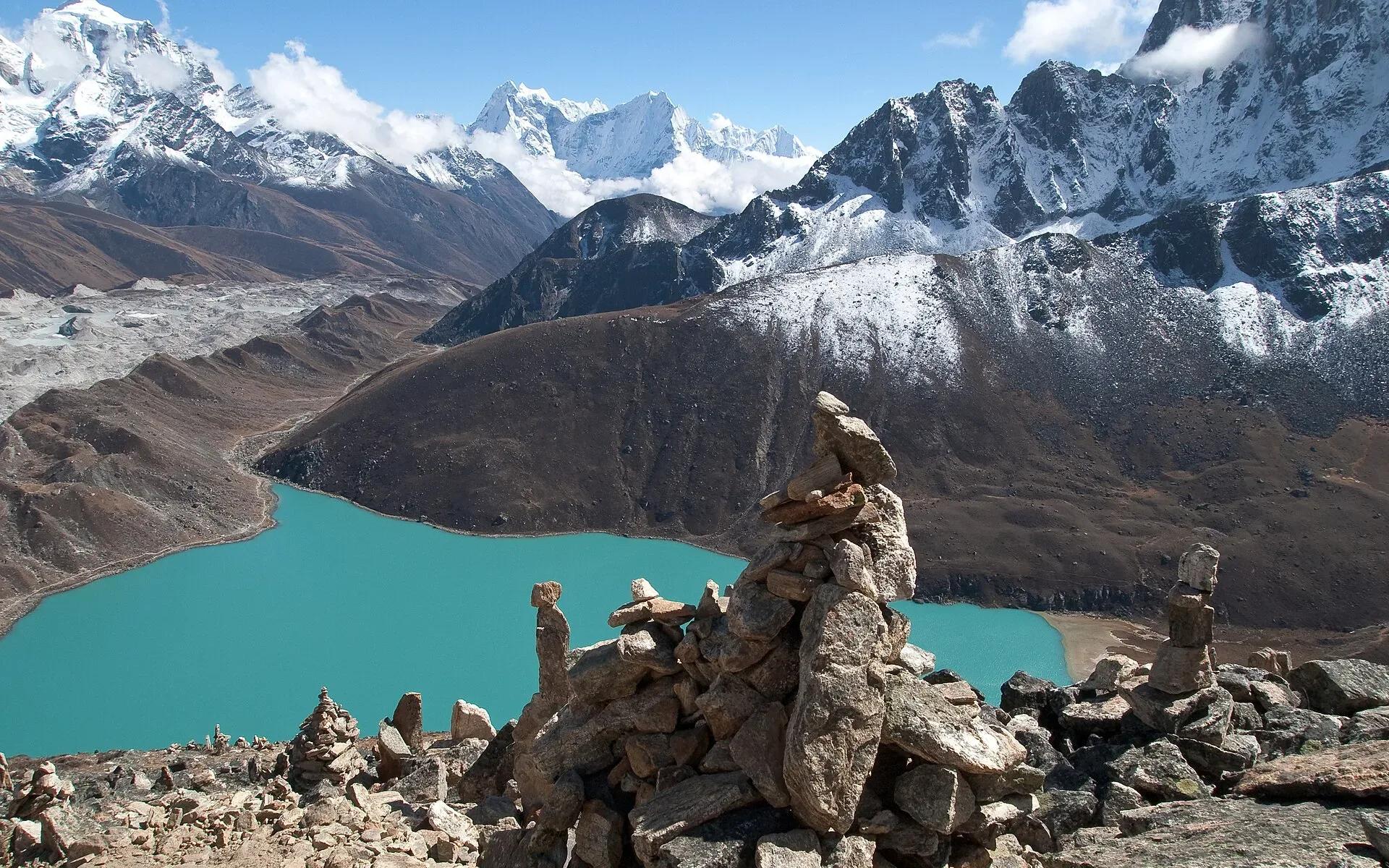
Located in the heart of the Khumbu region, the Gokyo Valley is known for its beautiful turquoise glacial lakes, traditional Sherpa villages, enormous glaciers and spectacular mountain panoramas. The journey takes trekkers through peaceful alpine landscapes while offering breathtaking views of some of the world's highest mountains, including Mount Everest, Lhotse, Makalu and Cho Oyu.
Unlike the classic Everest Base Camp route, the Gokyo Lake Trek takes you towards a quieter part of the Everest region, where the scenery gradually changes from green river valleys and pine forests to rocky mountain trails, glaciers and high-altitude lakes.
The standard journey takes approximately 12 days, including acclimatisation and the return to Kathmandu. The highest point of the trek is Gokyo Ri at 5,357 metres, making proper preparation and gradual acclimatisation essential.
Here is how the 12-day adventure unfolds.
Day 1: Kathmandu to Lukla and Trek to Phakding
The adventure begins in Kathmandu, where an early morning flight takes you towards Lukla, the gateway to the Everest region.The flight itself is an unforgettable experience. As the aircraft approaches the mountains, spectacular views of green hills, deep valleys and snow-covered Himalayan peaks begin to appear. Landing at Lukla's small mountain airport is often one of the most memorable moments of the entire journey.
After arriving in Lukla, the trekking adventure officially begins.The trail gradually descends through small Sherpa settlements, pine forests and beautiful landscapes alongside the Dudh Koshi River. Colourful Buddhist prayer flags and traditional stone houses add character to the route.
After approximately three to four hours of walking, you reach Phakding, a peaceful mountain village situated at around 2,650 metres.The first day is relatively comfortable and provides an opportunity to adjust to the trekking environment before the more demanding days ahead.
Overnight: Phakding
Trekking time: Approximately 3–4 hours
Altitude:2,650 metres
Day 2: Phakding to Namche Bazaar
The second day brings a longer and more challenging walk towards Namche Bazaar, one of the most important settlements in the Everest region.The trail follows the Dudh Koshi River and passes through several small villages, suspension bridges and beautiful forest sections. One of the highlights is crossing the famous Hillary Suspension Bridge, which hangs high above the river.
As you continue walking, the surroundings gradually become more mountainous. The route also enters Sagarmatha National Park, a UNESCO World Heritage Site known for its extraordinary natural landscapes and biodiversity.The final section towards Namche Bazaar involves a demanding uphill climb. Although physically challenging, the reward is reaching one of the most beautiful mountain towns in Nepal.
Located at approximately 3,440 metres, Namche Bazaar is often called the Sherpa capital of the Everest region. It is an important centre for trekkers, climbers and local communities.After arriving, you can explore the village, visit local bakeries and enjoy the mountain atmosphere.
One of the most important parts of high-altitude trekking is allowing your body enough time to adjust to the increasing elevation.Day three is reserved for acclimatisation in Namche Bazaar.Rather than continuing immediately towards higher elevations, trekkers spend an additional day exploring the surrounding area and taking short hikes to higher viewpoints before returning to Namche to sleep.
You can explore the traditional Sherpa settlement of Khumjung, visit local markets, enjoy the bakeries or simply spend time appreciating the mountain scenery.Namche also provides an opportunity to learn more about Sherpa culture and the history of mountaineering in the Everest region.The atmosphere here is different from the lower villages. Colourful prayer flags, mountain lodges, small shops and distant Himalayan peaks create a wonderful trekking experience.Acclimatisation is not simply a rest day; it is an important part of preparing for the much higher elevations ahead.
Overnight: Namche Bazaar
Activity: Acclimatisation and local exploration
Altitude: 3,440 metres
Day 4: Namche Bazaar to Dole
After spending a day acclimatising in Namche, the journey towards the Gokyo Valley continues.Leaving the busy streets of Namche behind, the trail gradually enters a quieter mountain environment.The forests begin to thin out, and the landscape opens into wide valleys surrounded by impressive Himalayan peaks. The views become increasingly dramatic as you gain elevation.Along the way, you pass through smaller mountain settlements and traditional resting places where trekkers can stop for tea and refreshments.
Dole is an important overnight destination on the Gokyo route. Situated at approximately 4,200 metres, it offers a peaceful mountain setting surrounded by beautiful alpine scenery.The higher altitude makes walking more demanding, so maintaining a comfortable pace is essential.After reaching Dole, enjoy a warm meal and rest in a traditional mountain tea house.
**Overnight:** Dole
**Trekking time:** Approximately 5–6 hours
**Altitude:** 4,200 metres
## Day 5: Dole to Machhermo
The fifth day takes you deeper into the Gokyo Valley.As you leave Dole, the landscape becomes increasingly alpine. Trees become fewer, the valleys wider and the surrounding mountains more imposing.The trail passes through rocky mountain terrain and offers beautiful views of the surrounding peaks.
Although the walking distance may not seem particularly long, the altitude makes every uphill section more demanding. Even simple activities can require additional effort at these elevations.Machhermo, located at approximately 4,470 metres, is an important overnight and acclimatisation stop.The village sits in a wide mountain valley surrounded by high peaks. The peaceful atmosphere makes it an excellent place to rest and prepare for the final approach to Gokyo.Spend the evening enjoying a warm meal, drinking tea and appreciating the quiet mountain environment.
**Overnight:** Machhermo
**Trekking time:** Approximately 4–5 hours
**Altitude:** 4,470 metres
## Day 6: Machhermo to Gokyo Village
For many trekkers, this is one of the most beautiful days of the entire journey.
The trail from Machhermo towards Gokyo gradually enters a spectacular high-altitude landscape filled with rocky terrain, streams, glacial formations and turquoise lakes.One of the most impressive geographical features of the region is the Ngozumpa Glacier, widely recognised as the largest glacier in Nepal.
As you approach Gokyo, the landscape becomes increasingly dramatic. The combination of enormous mountains, glacial valleys and crystal-clear lakes creates a scenery that feels completely different from the lower parts of the Everest region.
Eventually, you arrive at Gokyo Village, situated at approximately 4,790 metres beside Dudh Pokhari, one of the famous Gokyo Lakes.The turquoise water contrasts beautifully with the surrounding rocky slopes and snow-covered mountains.After several days of walking, reaching Gokyo Village feels like a special achievement.
**Overnight:** Gokyo Village
**Trekking time:** Approximately 4–5 hours
**Altitude:** 4,790 metres
## Day 7: Exploring Gokyo Lakes and the Surrounding Valley
After reaching Gokyo Village, spend the day exploring the beautiful surroundings.The Gokyo Lakes are among the most spectacular natural attractions in Nepal. Their striking turquoise colours stand out against the rugged Himalayan landscape.The lakes are part of a sacred high-altitude lake system that holds cultural and religious significance for local communities.You can spend time walking around the village, exploring nearby lake viewpoints and enjoying the peaceful atmosphere.
The enormous Ngozumpa Glacier is another major highlight of the area. Its vast rocky and icy landscape demonstrates the extraordinary natural forces that have shaped the Himalayas over thousands of years.This day also provides additional time to rest and prepare for the climb to Gokyo Ri.At this altitude, proper hydration, sufficient rest and awareness of altitude-related symptoms are especially important.
**Overnight:** Gokyo Village
**Activity:** Exploring the Gokyo Lakes and acclimatisation
**Altitude:** 4,790 metres
## Day 8: Climbing Gokyo Ri – The Himalayan Panorama
For many trekkers, climbing Gokyo Ri is the ultimate highlight of the Gokyo Lake Trek.At 5,357 metres, Gokyo Ri offers one of the most spectacular panoramic viewpoints in the Everest region.The climb usually begins early in the morning, when the mountain air is cold and the surrounding landscape is still quiet.
The ascent is challenging, mainly because of the altitude and steep terrain. However, reaching the summit rewards trekkers with extraordinary views of the Himalayan mountains.From the top, you can admire Mount Everest, Lhotse, Makalu and Cho Oyu, along with the enormous Ngozumpa Glacier and the turquoise Gokyo Lakes below.
Standing above the valley and looking across the vast Himalayan landscape is an experience that makes the physical effort worthwhile.After spending time enjoying the views and taking photographs, descend carefully to Gokyo Village.The rest of the day can be spent relaxing and enjoying the mountain surroundings.
**Overnight:** Gokyo Village
**Activity:** Gokyo Ri summit hike
**Maximum altitude:** 5,357 metres
## Day 9: Gokyo Village to Dole
After experiencing the beauty of Gokyo Lakes and the panoramic views from Gokyo Ri, it is time to begin the return journey.Leaving Gokyo Village behind, the trail follows the familiar mountain route back towards Machhermo and Dole.Although the journey is mainly downhill, descending at high altitude still requires care. Rocky sections, uneven trails and loose stones can make walking challenging.
Along the way, you can enjoy another perspective of the mountains and valleys that looked completely different during the ascent.Returning through the Gokyo Valley also provides an opportunity to appreciate the landscape at a slower pace.After several hours of walking, you arrive back in Dole, where you can rest and enjoy another evening in a traditional mountain tea house.
**Overnight:** Dole
**Trekking time:** Approximately 5–6 hours
**Altitude:** 4,200 metres
## Day 10: Dole to Namche Bazaar
The tenth day takes you back towards Namche Bazaar.As the trail descends, the landscape gradually changes again. Rocky alpine terrain gives way to greener slopes and forested sections.The air becomes noticeably warmer as you lose altitude, and walking often feels more comfortable than it did in the higher parts of the valley.After reaching Namche Bazaar, you can enjoy the familiar atmosphere of the Sherpa town.This is a good opportunity to relax, enjoy a warm meal, explore the local shops or simply reflect on the incredible landscapes experienced during the previous days.
The final full day of trekking takes you from Namche Bazaar back to Lukla.The route follows the Dudh Koshi River and passes through several familiar villages, suspension bridges and forest sections.You will once again cross the famous Hillary Suspension Bridge and pass through the beautiful landscapes of Sagarmatha National Park.
Although the trail is mostly downhill, some uphill sections and long walking hours make this a physically demanding day.Reaching Lukla marks the completion of the trekking portion of the journey.After several days exploring the mountains, glaciers and lakes of the Everest region, returning to Lukla brings a sense of achievement and satisfaction.Spend the evening resting, enjoying a final mountain meal and reflecting on the journey.
**Overnight:** Lukla
**Trekking time:** Approximately 6–8 hours
**Altitude:** 2,850 metres
## Day 12: Lukla to Kathmandu
The final day begins with a flight from Lukla back to Kathmandu, weather permitting.As the aircraft leaves the mountain airstrip, you get another opportunity to admire the beautiful Himalayan landscape from above.The flight offers a final glimpse of the mountains, deep valleys and rugged terrain that made the journey so memorable.After arriving in Kathmandu, the 12-day Gokyo Lake Trek comes to an end.
Although the trekking journey is over, the memories of turquoise lakes, traditional Sherpa villages, mountain tea houses, enormous glaciers and spectacular Himalayan viewpoints remain.
## How Difficult Is the Gokyo Lake Trek?
The Gokyo Lake Trek is a challenging high-altitude trekking adventure. Although it does not involve technical mountaineering, trekkers should be reasonably fit and prepared for several hours of walking each day.The route includes steep uphill sections, rocky trails, suspension bridges and significant altitude gains.Gokyo Village sits at approximately 4,790 metres, while Gokyo Ri reaches 5,357 metres.
Physical preparation, gradual acclimatisation and a comfortable walking pace are essential. It is also advisable to begin training four to six weeks before the trek, focusing on cardiovascular fitness, walking and endurance.Travel insurance should cover high-altitude trekking, medical treatment and emergency evacuation.Trekkers should also understand the symptoms of altitude sickness and follow appropriate medical advice. Never continue ascending when experiencing symptoms of altitude illness.
## Accommodation and Food Along the Trail
Accommodation during the Gokyo trek is generally provided in traditional mountain tea houses and lodges.The facilities become simpler as you move towards higher elevations. Most tea houses provide basic rooms, shared facilities and warm communal dining areas.Meals usually include traditional Nepali dishes, rice, lentils, vegetables, noodles, soups and other simple mountain food.
Warm meals and hot drinks become especially valuable after long days of walking in cold mountain conditions.Trekkers should carry suitable warm clothing, gloves, waterproof jackets, comfortable trekking boots and a sleeping bag appropriate for cold mountain temperatures.
## What Does the Gokyo Lake Trek Cost?
The cost of a 12-day Gokyo Lake Trek depends on the group size and the services included in the package.The package prices described in the original trek information are approximately:
- One person: USD 1,450
- Two people: USD 1,350 per person
- Larger groups: Lower per-person rates may apply.
The package generally includes transportation, Kathmandu accommodation, flights between Kathmandu and Lukla, trekking meals, tea house accommodation, a guide, porters, permits and a basic first-aid kit.
International flights, Nepal visa fees, personal expenses, bottled water, soft drinks, tips and emergency rescue or evacuation are additional costs.
Travellers should confirm the latest package inclusions and prices with their trekking operator before booking.
## When Is the Best Time to Visit Gokyo?
The best seasons for the Gokyo Lake Trek are generally spring and autumn.
**Spring (March–May):** Spring brings relatively warmer temperatures and beautiful conditions for trekking. Lower-altitude landscapes become greener, while the higher mountains remain covered in snow.
**Autumn (September–November):** Autumn is another excellent season, often offering clear skies and impressive mountain visibility following the monsoon season.
Winter is significantly colder, especially above 4,000 metres, and snowfall may affect the trail and tea house availability.The monsoon season brings rain, slippery trails, cloudy skies and possible flight disruptions.
## Gokyo Lake Trek or Everest Base Camp?
Both the Gokyo Lake Trek and Everest Base Camp offer unforgettable Himalayan experiences, but they provide different perspectives of the Everest region.Everest Base Camp is one of the world's most famous trekking destinations and attracts visitors hoping to reach the base of the world's highest mountain.
The Gokyo route, on the other hand, offers a combination of turquoise glacial lakes, enormous glaciers, alpine valleys and spectacular mountain viewpoints.For trekkers who want to experience a quieter side of the Everest region, Gokyo is an excellent alternative.Its combination of natural beauty, Sherpa culture and panoramic mountain scenery makes it one of the most rewarding trekking experiences in Nepal.
## Final Thoughts: A Different Way to Experience the Himalayas
The Gokyo Lake Trek is much more than a journey towards a collection of beautiful mountain lakes. It is an experience that gradually introduces trekkers to the changing landscapes, culture and natural beauty of Nepal's Everest region.From the green valleys around Phakding to the lively atmosphere of Namche Bazaar, from the alpine landscapes of Machhermo to the turquoise waters of Gokyo Lakes, every stage offers something different.
The climb to Gokyo Ri provides an unforgettable opportunity to admire some of the world's highest mountains, while the enormous Ngozumpa Glacier demonstrates the incredible scale of the Himalayan landscape.For travellers looking beyond the traditional Everest Base Camp route, the Gokyo Valley offers a quieter, scenic and rewarding alternative.It is a journey where adventure, nature and culture come together, creating memories that remain long after returning home.