
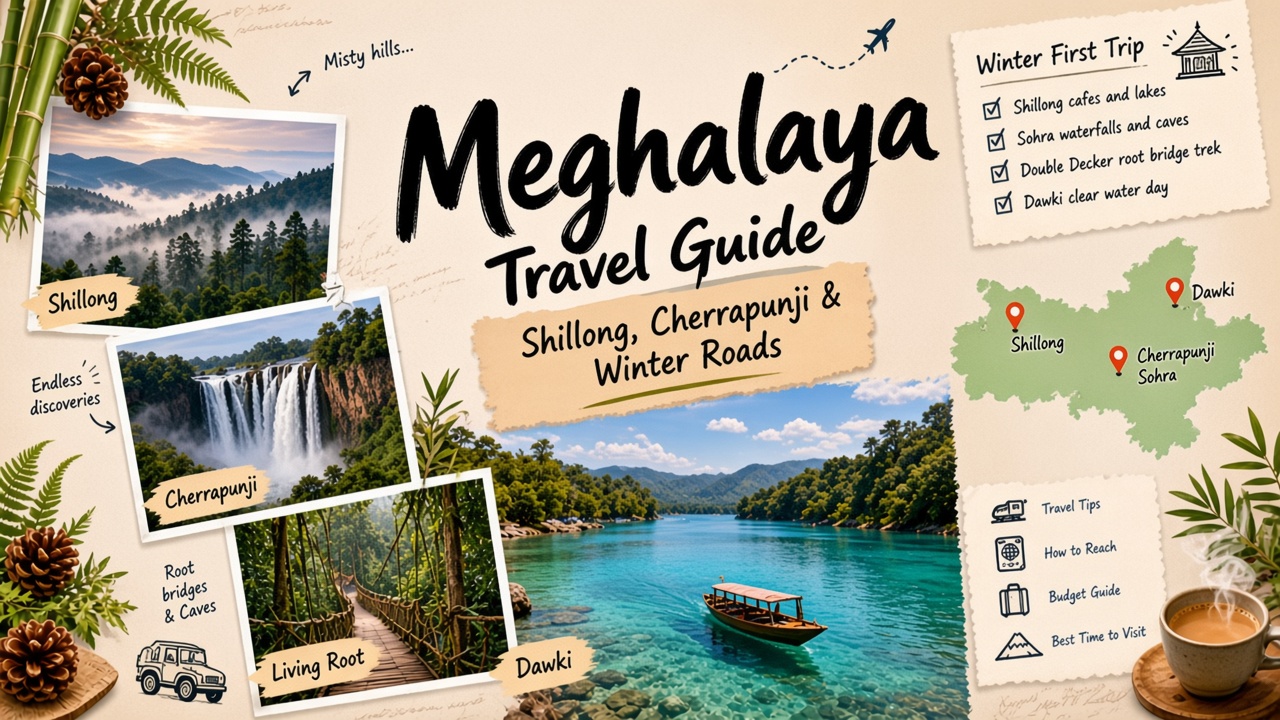
Meghalaya in winter is clear air over pine ridges, dry trails to living root bridges, and Dawki water so clean the boat looks mid-air. Shillong is the cafe base. Cherrapunji (Sohra) is the waterfall and trek base. The hard part is not finding pretty places. It is choosing a road map that fits your days, cold nights, and morning fog without turning every sunrise into a traffic gamble.
This guide is the practical winter map: how many days, perfect time and cheapest windows, how to reach from Guwahati, where to stay, Shillong / Sohra / root bridges / Dawki / Mawlynnong, must-try food, average costs, packing for cold evenings, and who each stop suits.
How many days do you need?
3 days: Shillong + a rushed Sohra day. You taste Meghalaya. You do not get Dawki or the Double Decker properly.
5 days: Sweet spot for most first-timers. Shillong 1 to 2 + Sohra 2 (falls + root bridge) + Dawki / Mawlynnong 1.
6 to 7 days: Add Laitlum, Mawphlang Sacred Grove, or a slower Nongriat overnight after the trek.
8+ days: Only if you want Garo Hills, longer trails, or a Guwahati buffer night on both ends.
Meghalaya rewards clustering. One honest Sohra base beats zigzagging Shillong to Cherrapunji to Dawki before lunch every day.
Perfect time to go (winter focus)
December to February: The winter window this guide is built for. Dry roads, clearer views, best Dawki clarity, comfortable root-bridge steps versus monsoon mud.
January: Often coldest in Shillong / Sohra. Nights can drop near 3 to 5°C. Morning fog is common. Start drives after 9 or 10 AM when mist lifts.
October to November: Also excellent shoulder winter. Slightly milder nights, still clear Dawki odds.
March to April: Warming, still trek-friendly, pre-monsoon showers possible.
June to September: Peak monsoon drama and waterfall volume. Roads and slips get harder. First-timers chasing comfort should not default here.
Cheapest lean weeks: Often mid-January after New Year rush, and late February before Holi / school holiday spikes. Christmas and New Year beds jump.
Winter waterfalls are thinner than monsoon. Trade roar for clarity, dry steps, and viewpoint skies.
How to reach
Fly: Guwahati (GAU) is the main airport. Delhi, Kolkata, Mumbai, and other metros connect well.
Guwahati to Shillong: about 100 to 120 km · roughly 3 to 4 hours by private cab, shared taxi, or bus. Umiam Lake sits on the way as a natural pause.
Train: Guwahati railway is the rail base. Same road hop up after.
Shillong airport (SHL): limited flights. Most travellers still plan via Guwahati.
Inner line / permits: Indian citizens generally do not need ILP for Meghalaya tourism the way some Northeast states do. Foreign nationals should re-check current entry rules before booking. Confirm the week you travel.
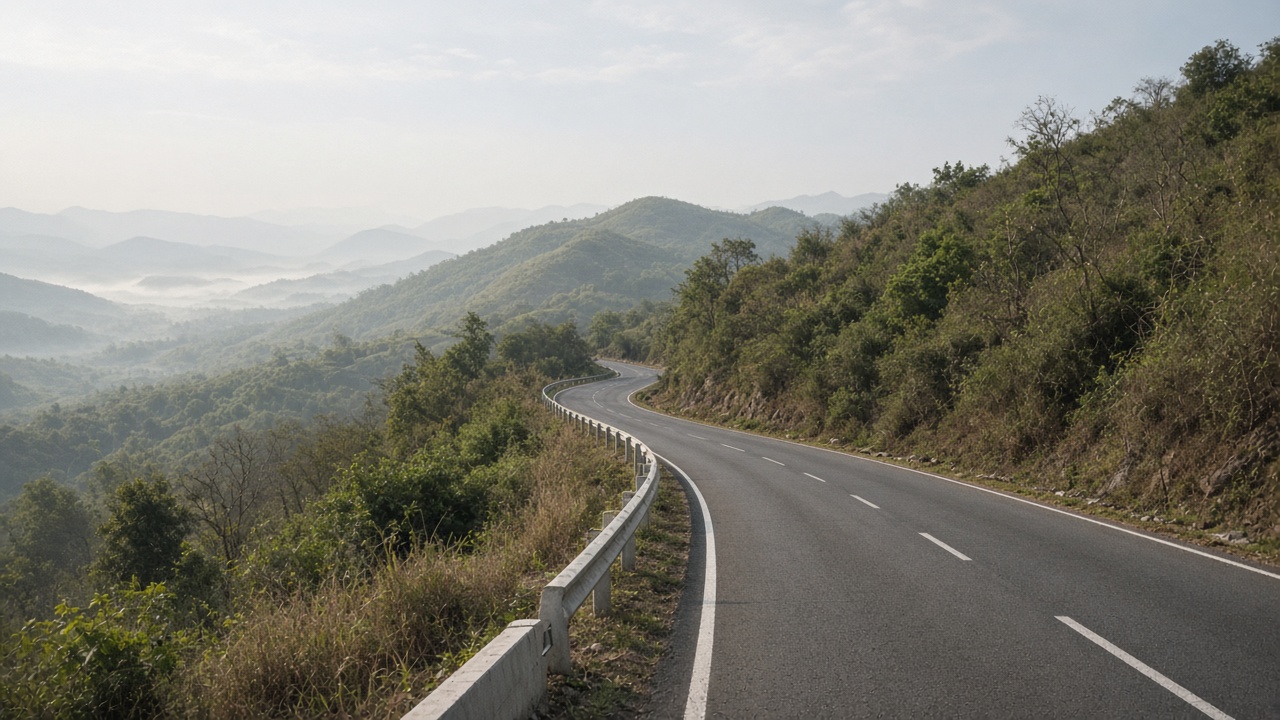
Getting around
Private cab for the trip: Best for Sohra + Dawki loops. Agree a day rate, overtime, and night halt rules clearly.
Shared Sumo / local cabs: Fine between Shillong and Sohra if you accept fixed departure times.
Local taxis in Shillong: Useful for Elephant Falls, Ward's Lake, and cafe hops.
Trek legs: Tyrna to Nongriat is on foot. No shortcut car to the Double Decker.
Winter fog tip: Do not force 6 AM viewpoint drives in January fog. Protect sleep, then chase clear late mornings.
Accommodations for a first winter trip
Shillong: Hotels and homestays near Police Bazar / Laitumkhrah for food access. Ask for a heater or thick blankets.
Sohra (Cherrapunji): Stay at least one night if you want the root bridge without a cruel same-day return. Homestays beat late Shillong drives.
Dawki / Shnongpdeng: Riverside camps and simple stays if you want sunrise on the Umngot. Book winter weekends early.
Nongriat: Basic village stays for trek-and-sleep travellers. Not luxury. Magical if you accept basic bathrooms.
Cash, connectivity, and daily rhythm
Carry enough cash. ATMs exist in Shillong and thin out toward villages.
Network can drop in gorges and on the root-bridge trail. Download offline maps.
Winter days are short. Finish canyon and waterfall viewpoints before early dusk.
Respect local Khasi customs, sacred groves, and village quiet hours.
Which base to choose
First-timers: Shillong arrival night → Sohra 2 nights → Dawki day → out via Guwahati
Cafe + soft hills: More Shillong nights
Waterfalls + trek: Heavier Sohra stay
Clear-water photos: Protect a full Dawki / Shnongpdeng day in Dec to Feb
Shillong
Capital energy with pine air: cafes, lakes, short falls, and your recovery base after Guwahati traffic.
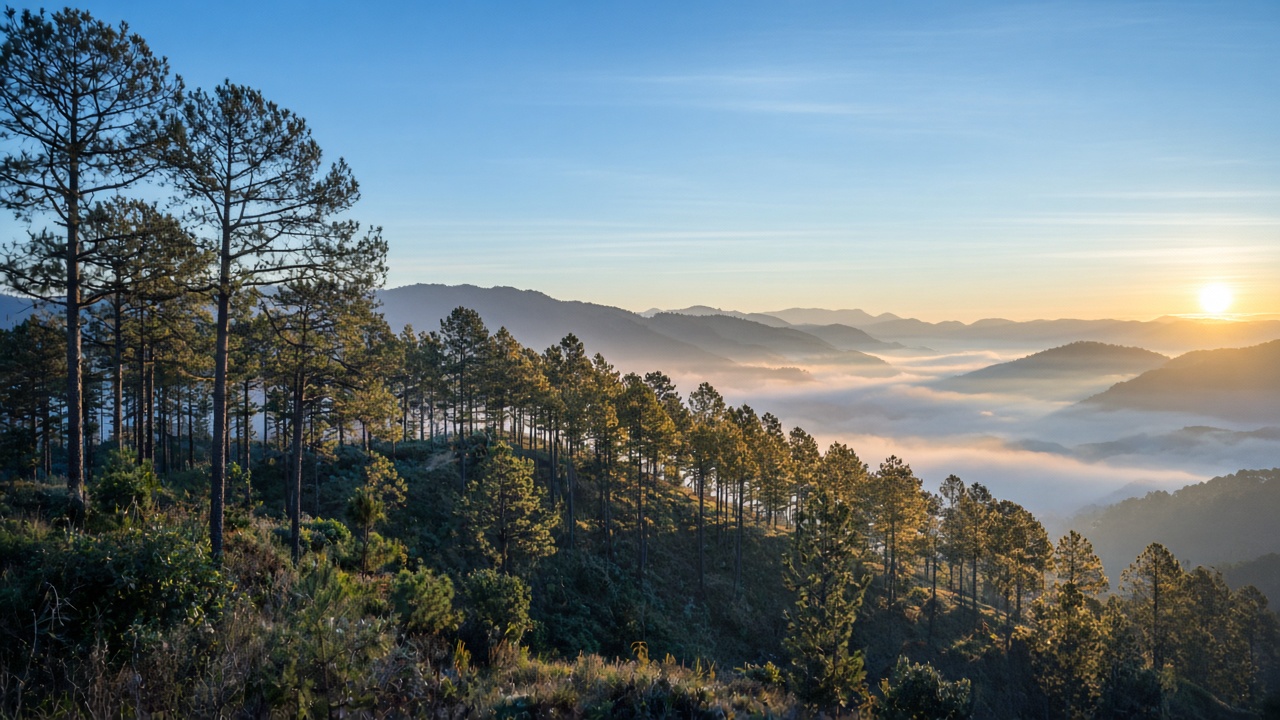
Do: Police Bazar evening, cafe crawl, Ward's Lake, Elephant Falls, Don Bosco Museum if rainy / foggy
From Guwahati: ~3 to 4 hours
Must travel with: wife / partner (cafe + lake evenings) · family (easy first night)
Avoid: friends who only want trek punishment and hate town days
Best season: October to April · winter nights need real layers
Tip: Use Shillong as hub, not as a 12-stop city checklist
Umiam Lake (Barapani)
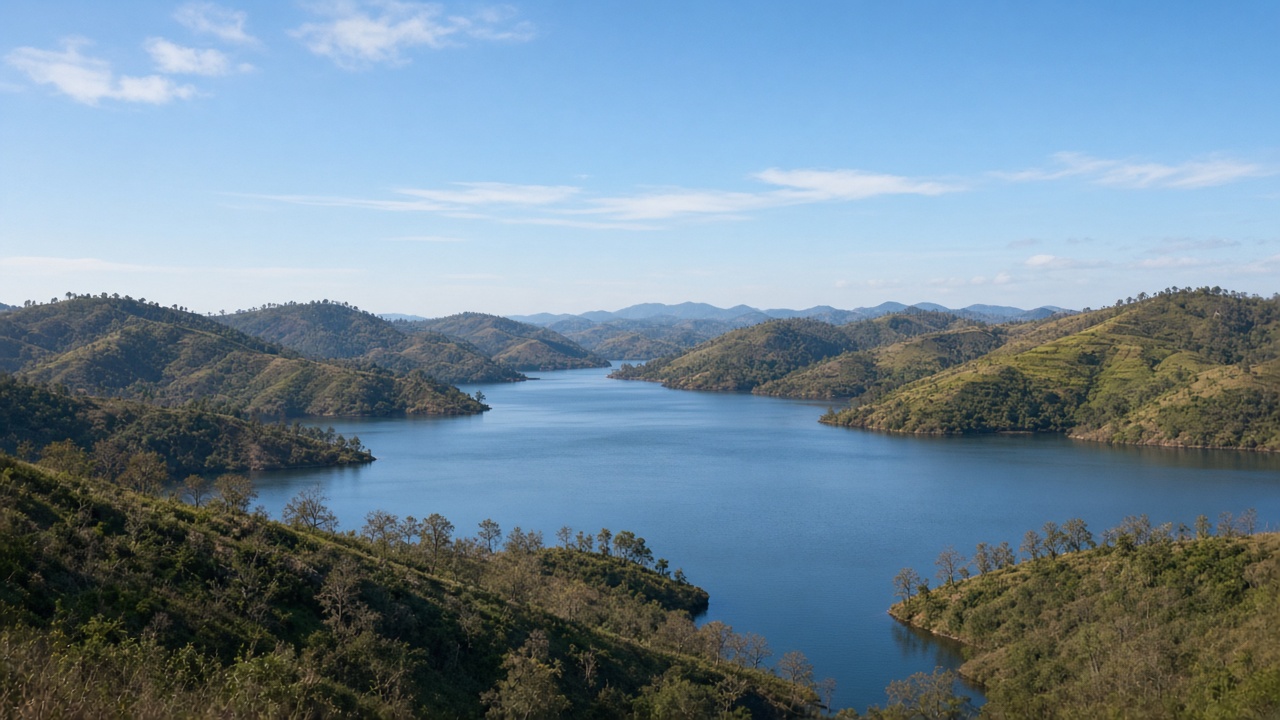
Where: on the Guwahati to Shillong road
Do: viewpoint stop, optional boating when open, photos in clear winter light
Must travel with: family · anyone arriving tired from a flight
Avoid: turning it into a half-day if Sohra needs daylight
Best season: winter clear days are excellent
Elephant Falls
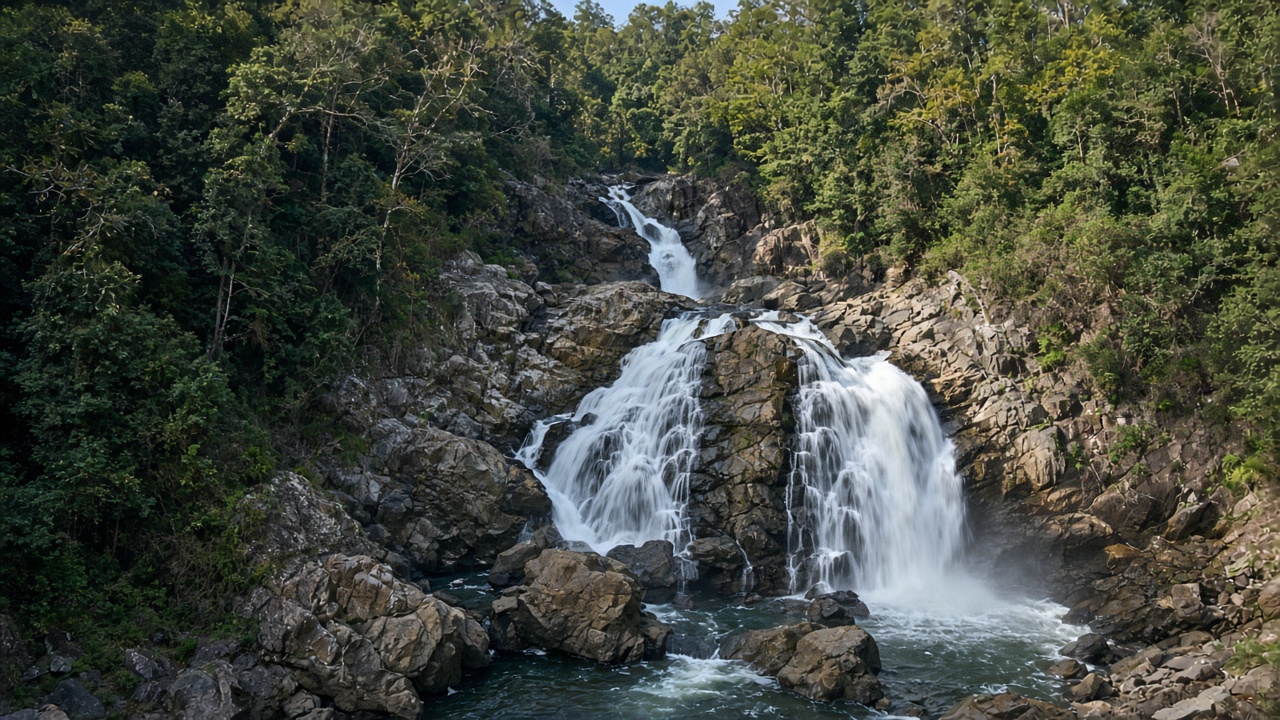
From Shillong: short drive · popular and often crowded on weekends
Do: multi-tier falls walk · go earlier in the day
Must travel with: family · soft first waterfall day
Avoid: friends who already planned Nohkalikai and hate ticketed crowds
Best season: post-monsoon and winter for safer steps · monsoon is louder but slipperier
Laitlum Canyon
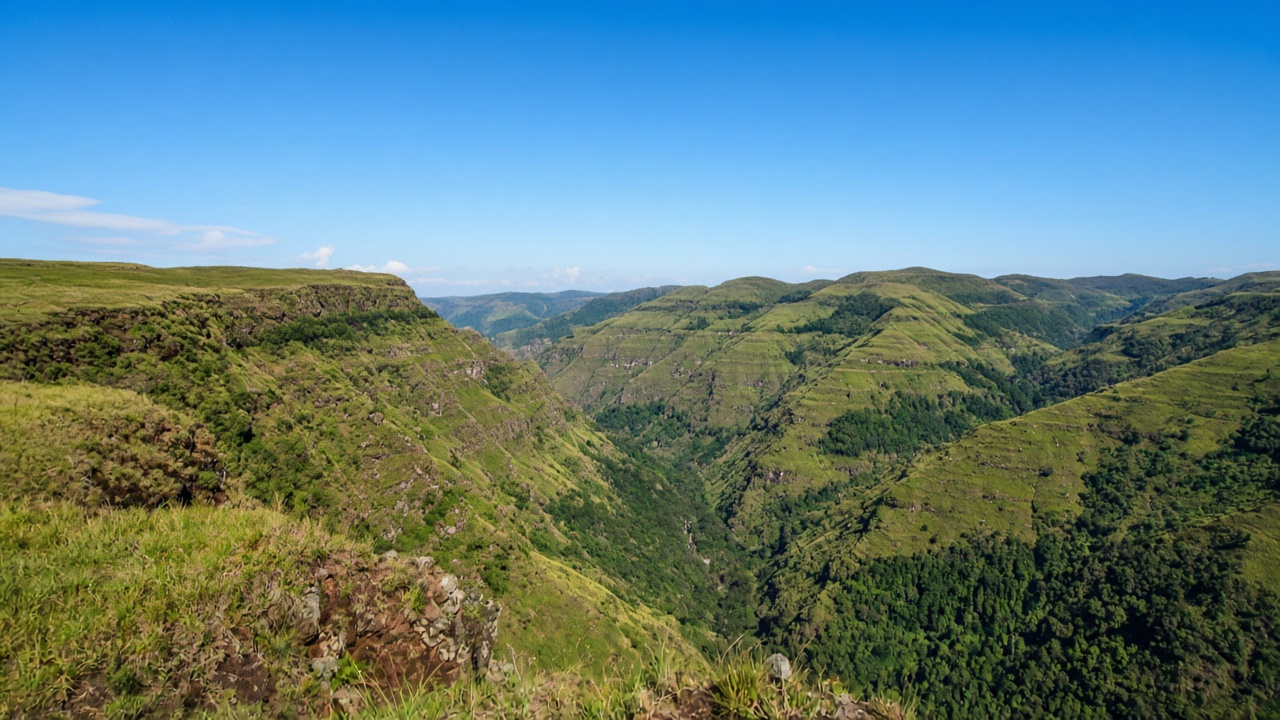
From Shillong: roughly 1 to 1.5 hours
Do: ridge walk and canyon views on a clear winter afternoon
Must travel with: wife / partner · friends with cameras
Avoid: January white-out fog mornings
Best season: October to February for sharp ridges
Cherrapunji (Sohra)
Officially Sohra. Plateau edge over Bangladesh plains: waterfalls, caves, and the root-bridge gateway.
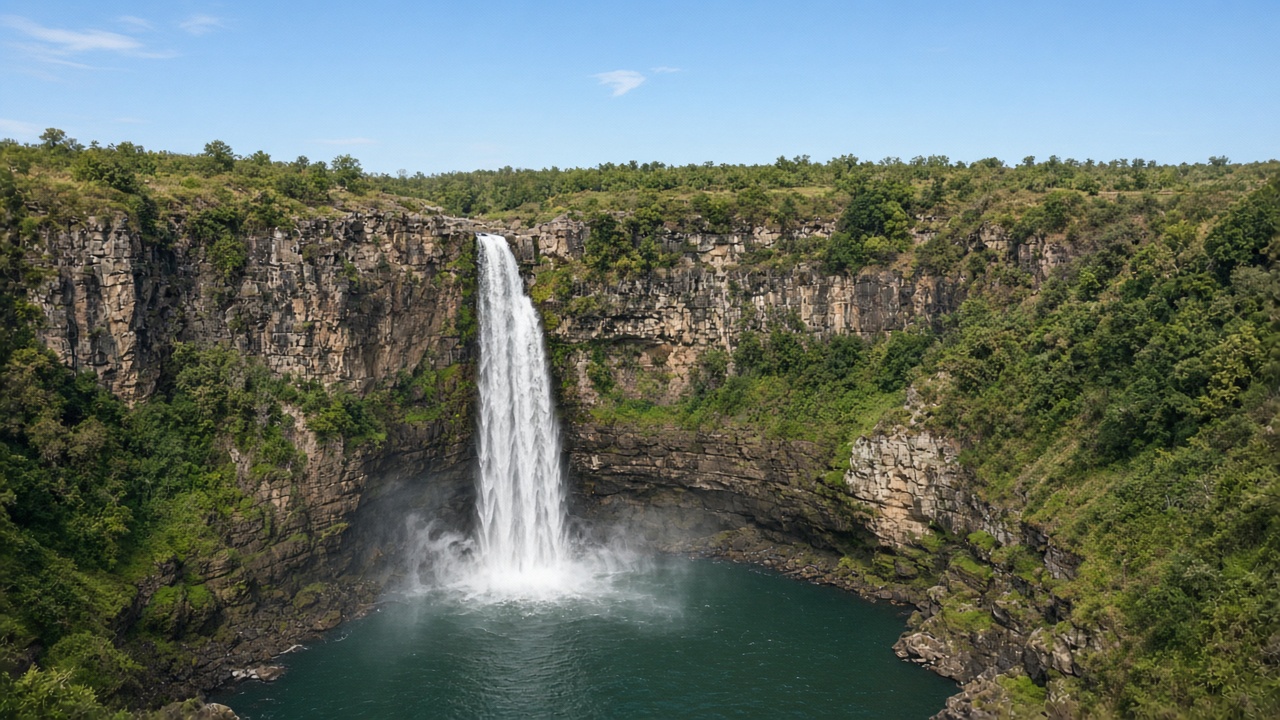
From Shillong: about 50 to 55 km · roughly 2 to 2.5 hours
Do: Nohkalikai Falls viewpoint, Seven Sisters / nearby falls circuit, Mawsmai Cave, evening quiet over the plains
Must travel with: everyone on a first Meghalaya trip · this is the spine
Avoid: same-day Shillong return if you also want the Double Decker trek
Best season: winter for views and dry caves · monsoon for maximum waterfall volume
Tip: stay overnight in Sohra before the Tyrna trek
Double Decker Living Root Bridge (Nongriat)
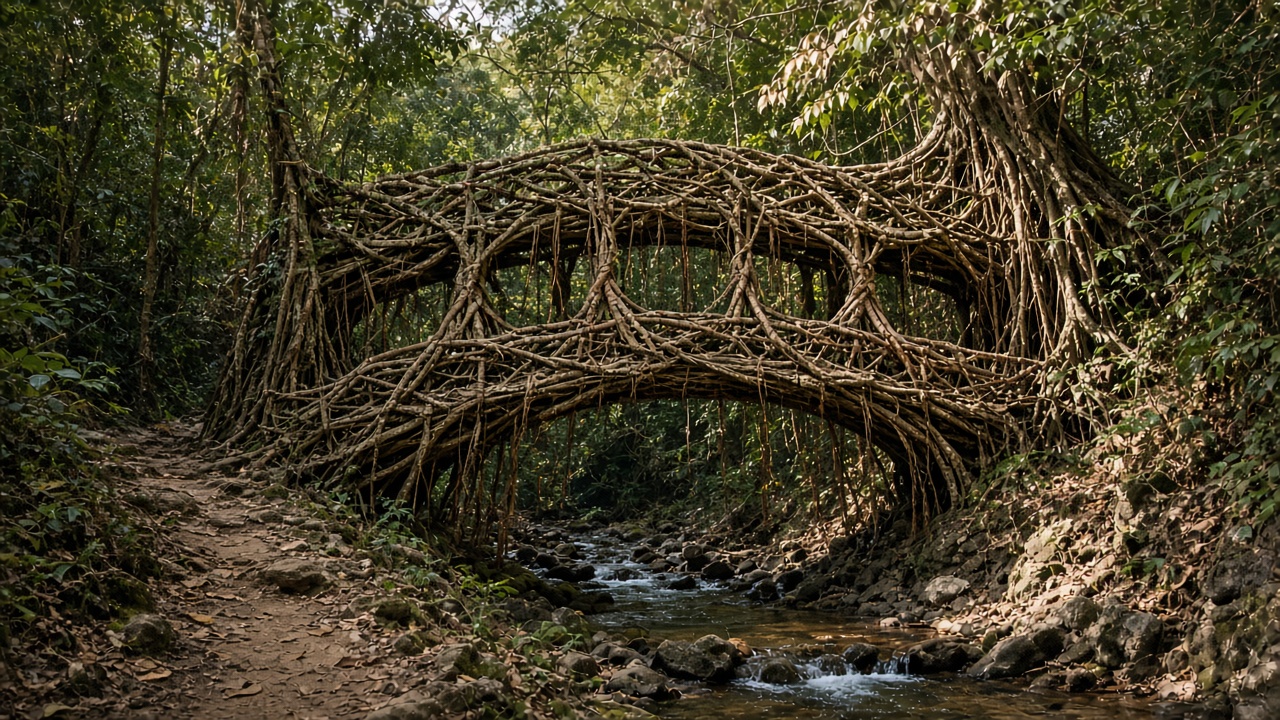
Access: cab to Tyrna · then long stair descent / climb (often cited around 3,000+ steps each way)
Timings: start early · winter dry steps are kinder than monsoon clay
Do: Double Decker bridge, slow climb up, water + snacks + torch for shade sections
Must travel with: friends who like treks · fit couples
Avoid: family with very young kids or anyone with knee issues on a rushed same-day plan
Best season: November to February for dry, cool hiking
Tip: walking sticks help on the climb up · do not underestimate the return
Dawki and the Umngot River
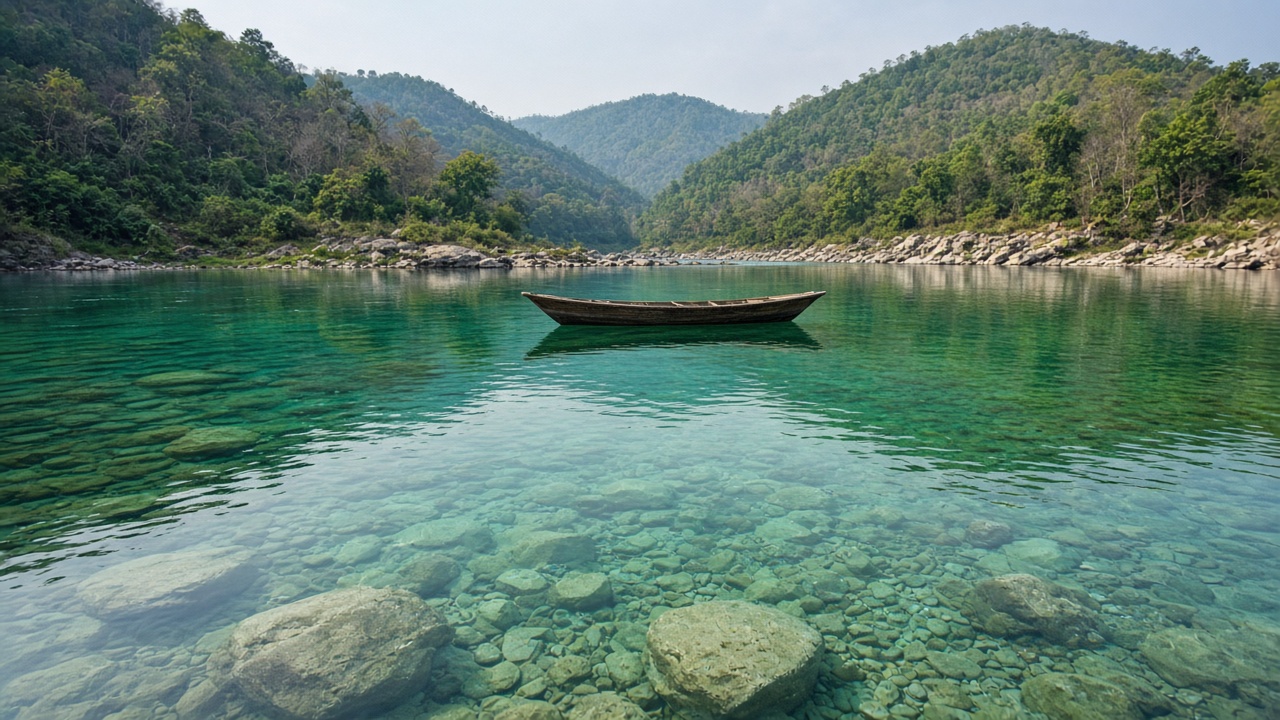
From Sohra / Shillong: plan a full day · roads are winding
Do: clear-water boating at Dawki / Shnongpdeng, riverside lunch, Bangladesh border viewpoint vibes without drama
Must travel with: wife / partner (photo day) · family who want soft adventure
Avoid: stacking with the full Double Decker trek the same day
Best season: November to March for glass-clear water · this is why winter wins
Tip: weekdays are kinder than winter Sundays
Mawlynnong and Riwai
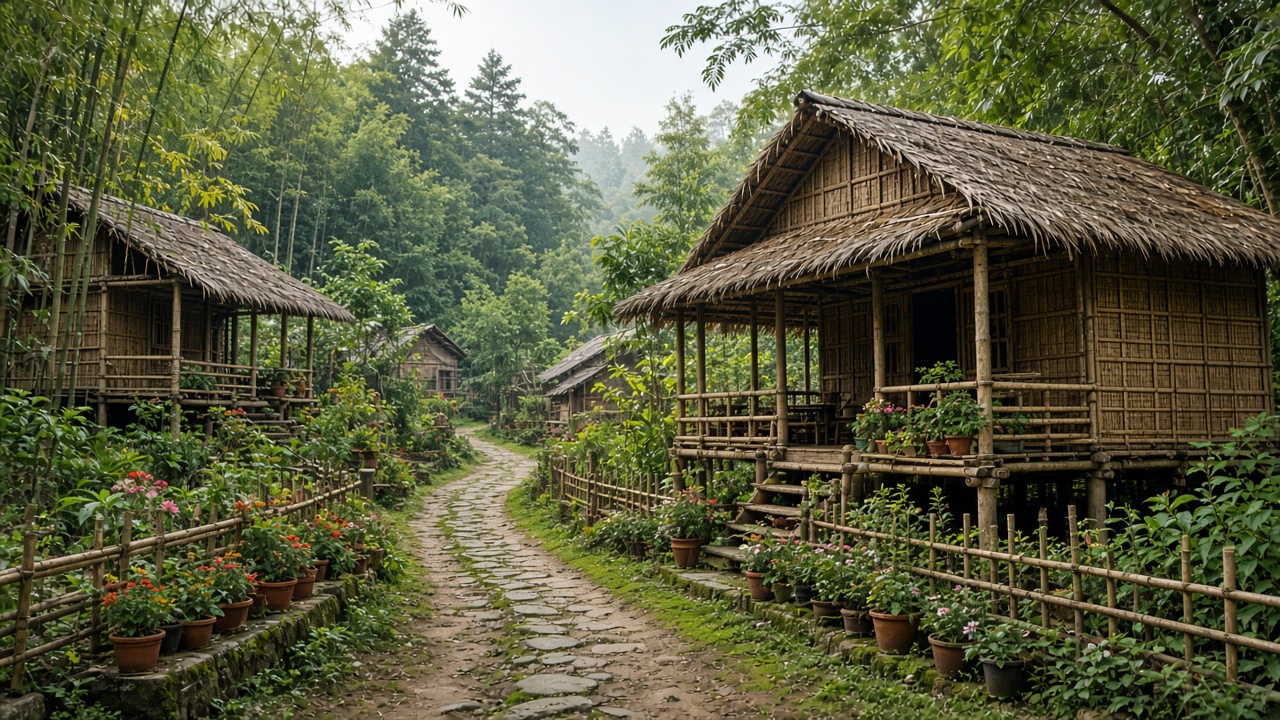
Do: Asia's famous clean village walk, bamboo sky view if open, Riwai single living root bridge as a gentler alternative to Nongriat
Must travel with: family · anyone who wants root-bridge photos without 3,000 steps
Avoid: treating it as a five-hour deep trek substitute if you already did Nongriat
Best season: winter dry paths and clear village mornings
Tip: combine with Dawki on a smart road day, not as three separate bases
A practical 5-day winter plan
Day 1: Guwahati → Umiam stop → Shillong · cafes and early sleep
Day 2: Shillong soft sights (Elephant Falls / Ward's Lake) → drive to Sohra · Nohkalikai sunset light if clear
Day 3: Tyrna → Double Decker living root bridge trek · overnight Sohra or Nongriat
Day 4: Dawki / Shnongpdeng clear-water day · optional Mawlynnong
Day 5: Buffer viewpoint (Laitlum if clear) → Guwahati flight with honest road time
Who you travel with changes the map
Wife / partner: Shillong cafes + Sohra viewpoints + Dawki boat day · root bridge only if both want the climb
Friends: Double Decker trek + Laitlum + Dawki
Family: Shillong + Sohra falls + Mawlynnong / Riwai · skip punishing stair days
Solo: Sohra homestay base, early trek starts, shared cabs where safe
Must try
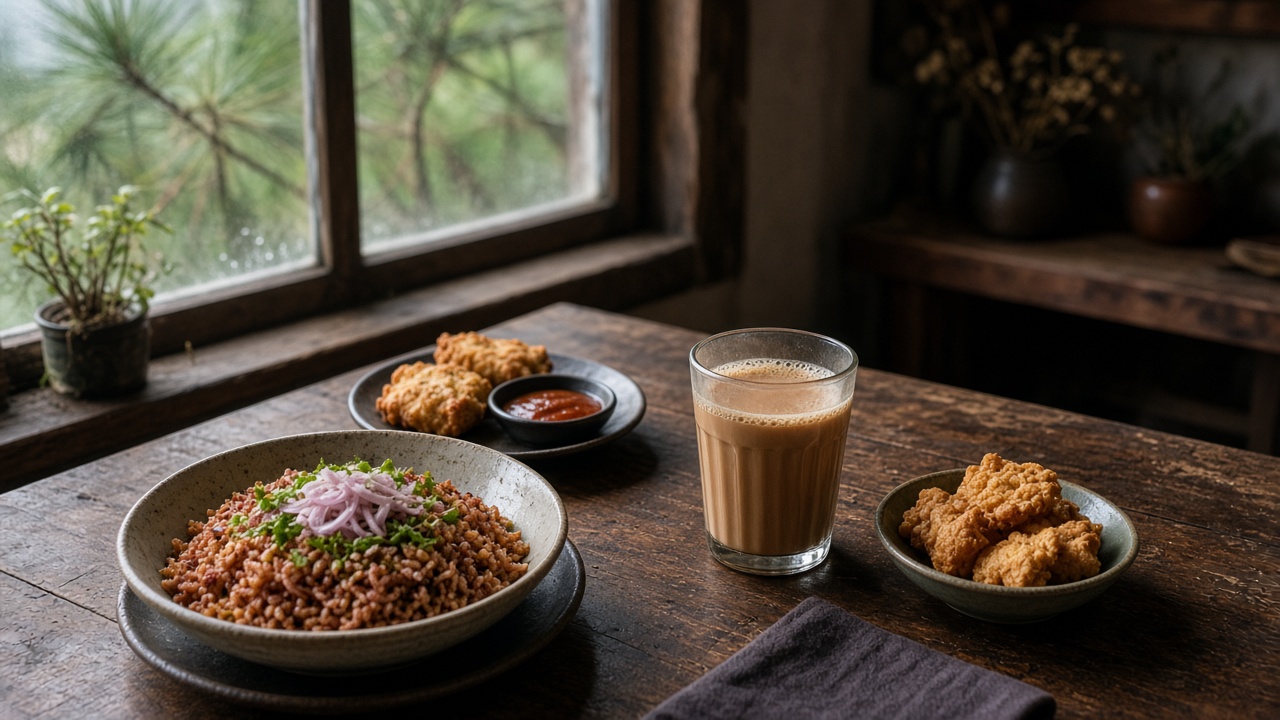
Jadoh (rice dish) and local Khasi thalis
Tungrymbai if you like fermented soybean heat
Momos and cafe baking in Shillong
Black tea / chai after cold viewpoint wind
Smoked meat sides where you eat meat · ask spice levels
Fresh river fish near Dawki if available and cooked well
How to survive if you are vegetarian
Doable in Shillong cafes and many tourist kitchens. Village thalis can be meat-forward. Say it early.
Shillong has reliable veg cafe options. Use them as reset days.
On trek days, pack dry fruit, biscuits, and a proper breakfast before Tyrna.
Ask for vegetarian thali clearly. Do not assume every rice plate is meat-free.
Average costs (winter planning bands)
Ballpark for Indian travellers. Christmas / New Year and long weekends rewrite prices.
Stay
Simple homestay: about ₹1,500 to ₹3,500 per night
Nice mid hotel in Shillong: about ₹3,500 to ₹7,000
Riverside Dawki camp nights: wide range · book winter weekends early
Transport
Guwahati airport to Shillong private cab: commonly in the ₹3,000 to ₹5,000+ class depending on car and season
Shared taxis are cheaper per seat
Full-day sightseeing cab: often ₹3,500 to ₹6,000+ depending on circuit
Food and activities
Cafe / thali days: roughly ₹400 to ₹1,200 per person depending on appetite
Viewpoint / cave tickets: usually small
Dawki boating: confirm local counter rates for your date
All-in sense check (5 days, per person)
Lean: around ₹18,000 to ₹28,000 excluding flights (shared cabs, homestays)
Mid-range: around ₹30,000 to ₹45,000 excluding flights (private cab days, nicer stays)
Flights to Guwahati: variable by city and winter holiday peaks
Travel tips for a winter Meghalaya trip
Base in Sohra for waterfall + trek days. Do not commute from Shillong twice.
Protect one clear Dawki day in Dec to Feb. That is winter's superpower.
Start the root bridge early. The climb up is the real workout.
In January fog, delay viewpoint drives until late morning.
Carry cash for villages and small tickets.
One hero trek beats three half-done waterfall photo hops.
Things to bring / winter pack
Warm jacket, fleece, thermal for Shillong / Sohra nights
Grip trekking shoes (mandatory for root bridge)
Cap, gloves, light rain shell for surprise drizzle
Power bank, offline maps, headlamp / torch
Reusable bottle, ORS, basic medicines
Cash buffer + one backup card
Modest clothes for villages and sacred sites
Things to avoid
Same-day Guwahati flight after a full Dawki + Sohra grind with no buffer
Double Decker trek in sneakers with no grip
Littering near root bridges and clean villages
Drone and loudspeaker behaviour in sacred groves without checking rules
Swimming assumptions in unfamiliar river sections
Monsoon packing lists for a December trip (you still need warm layers, not only raincoats)
Sample routes
3 days: Shillong + Sohra highlights only
5 days classic winter: plan above
7 days: classic 5 + Laitlum + Mawphlang Sacred Grove or Nongriat night
Quick decision cheat sheet
First winter trip default: Shillong → Sohra → Dawki
Must-do winter photo: Umngot clear boat day
Must-do effort day: Double Decker root bridge
Coldest nights: January in Shillong / Sohra
Wrong plan: treating Meghalaya like a one-day Cherrapunji taxi loop from Guwahati
Before you go
Book Guwahati flights and winter weekend stays early. Keep a Sohra night before the root bridge. Pack real warm layers even if daytime sun feels friendly. Leave fog mornings flexible. Meghalaya in winter is at its best when you stop chasing monsoon waterfall volume and start using the dry roads, clear Dawki water, and quiet pine evenings you actually came for.



Conversation
0 comments