
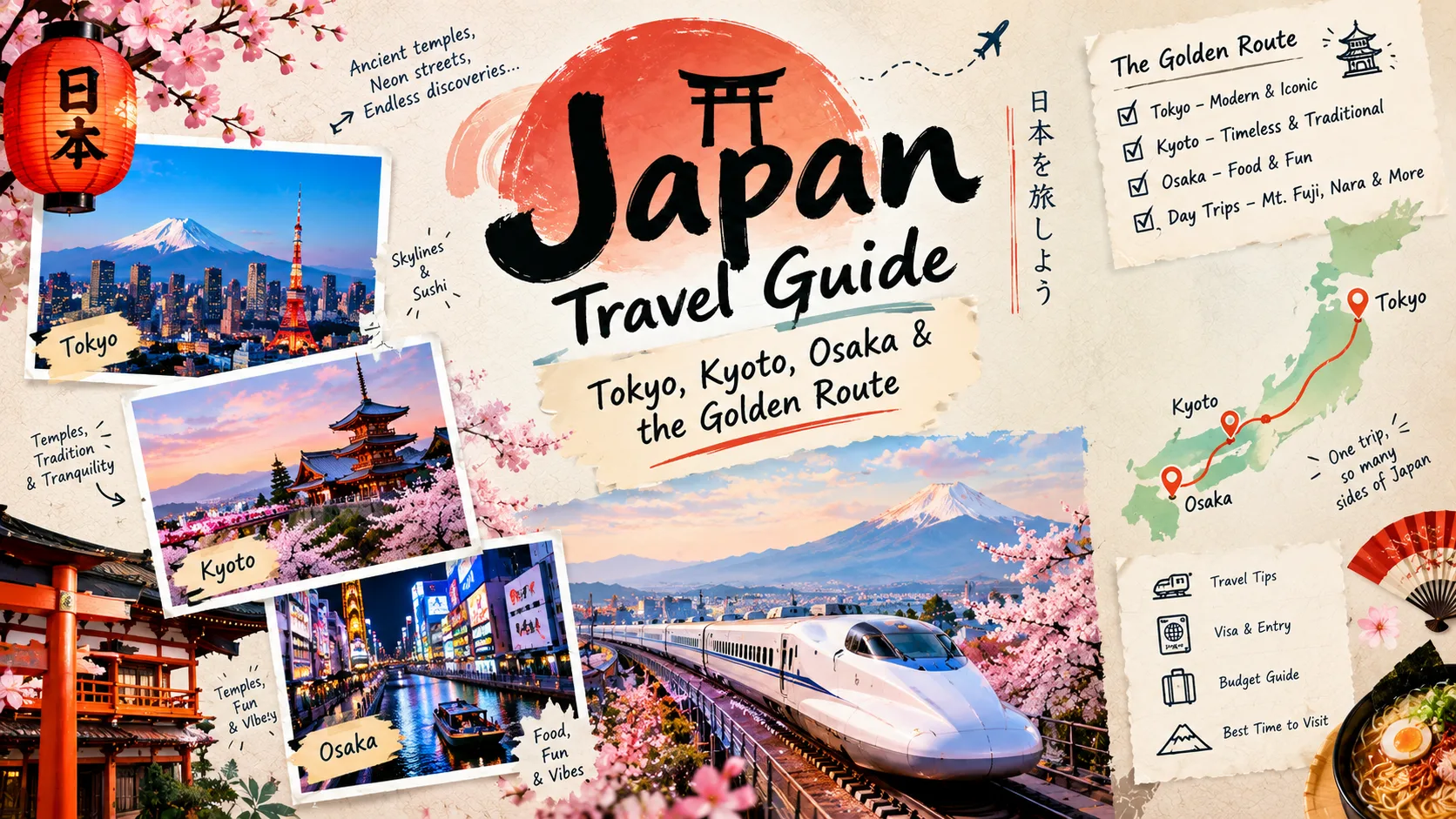
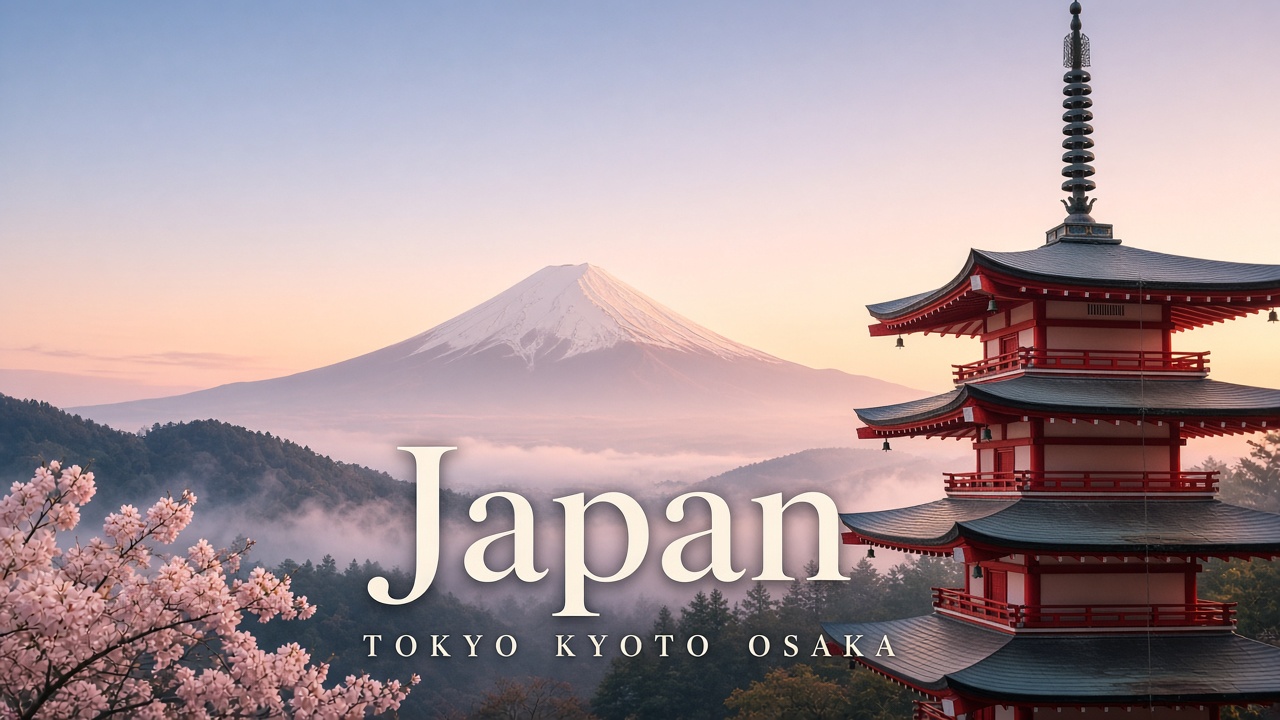
Japan is the trip that feels like three holidays stitched cleanly: neon megacity energy, temple quiet, and food that makes you plan days around queues. Trains run like a promise. Streets stay polite. The hard part is not finding places. It is choosing a route that fits your days, your visa timeline, and a budget that does not collapse the week you book sakura hotels.
This guide is the practical map for a first trip from India: how many days, seasons and cheapest windows, visa, airports, internet and calling, where to stay, Tokyo / Kyoto / Osaka (plus Disneyland), day trips, JR Pass reality, vegan survival, language basics, average costs, budget tips, a 3-day plan, and packing lists that actually match Japanese weather and train life.
How many days do you need?
3 days: Tokyo-only sampler (see the 3-day plan below). Good for a long weekend add-on if you already live closer in Asia. Not enough for Kyoto.
7 days: Tight Golden Route. Tokyo 3 + Kyoto 2 + Osaka 1. You taste Japan. You do not linger.
10 days: Sweet spot for most first-timers. Tokyo 4 + Hakone or Fuji day + Kyoto 3 + Osaka 2 (with Nara). Slot Tokyo Disneyland by swapping one Tokyo city day.
12 to 14 days: Add Hiroshima / Miyajima, or slow Kyoto properly, or a winter Hokkaido chapter as its own trip.
Japan rewards depth. Two calm Kyoto mornings beat five rushed temple stamps.
Perfect time to go
Late March to early April: Cherry blossom peak in many cities. Beautiful and crowded. Hotels and flights spike.
October to November: Autumn colour, kinder weather, still busy in famous foliage spots.
May / September: Shoulder months if you want balance without full sakura chaos. Watch Golden Week (late April to early May) and mid-September typhoon risk.
June to August: Hot, humid, rainy spells (June is tsuyu / rainy season). Festivals happen. Pack patience.
December to February: Cold cities, clear Pacific-coast skies many days, great lights, ski / snow country if that is the trip.
Cheapest time: January (after the first New Year week), February, and June are usually the budget windows. Hotels can drop hard versus sakura and autumn peaks. January and February are cold but often clear in Tokyo and Kyoto. June is rainy-season reputation, not endless indoor exile. Avoid pricing yourself into late March to April, Golden Week, and peak November foliage if money is the constraint.
Sakura is not one national day. Blossoms move north over weeks. Book the city, not a fantasy calendar screenshot.
Which airport to choose
NRT (Narita) and HND (Haneda): Tokyo gateways. Haneda is closer to the city. Narita is fine with the right train / bus plan.
KIX (Kansai): Strong if you open or close in Osaka / Kyoto.
Open-jaw tip: Fly into Tokyo, out of Osaka (or reverse) when fares allow. Saves a backtrack day.
Visa for Indian passports
Indian travellers need a short-term tourist visa for Japan. This is not visa-free. Apply through official channels (Embassy / Consulate process via VFS in India).
Check whether your case is sticker visa or the current eVisa / digital issuance notice flow. Confirm on the Embassy of Japan in India and VFS pages the week you apply.
Indian nationality visa fees have been low relative to many countries (recent VFS tables listed around INR 500 for single entry, plus VFS service charge). Verify live fees before you pay.
Apply with buffer. Peak seasons and high volume can stretch processing.
Typical asks: passport validity, photos, itinerary, hotels, funds proof, employment / cover letter as listed for your category.
How to access the internet and calling in Japan
eSIM (best for most solos and couples): Install before you fly or at landing. Data from minute one. Use Google Maps, Translate, tickets, and WhatsApp. Confirm your phone is eSIM-capable and unlocked.
Pocket Wi-Fi: Better for families / groups who stay together and share one hotspot. Rent at the airport or pre-book pickup. Remember to return it.
Airport physical SIM: Still works if you dislike eSIMs. Buy at major arrival halls.
Free Wi-Fi: Exists in stations, convenience stores, and cafes. Fine as backup. Do not build a whole trip on random public networks.
Calling India: Use WhatsApp / FaceTime / iMessage / Telegram over data. Traditional Indian roaming packages are usually the expensive option. If you need a Japanese number for hotel SMS, some eSIM or rental plans include one. Otherwise most confirmations are email / app QR.
Offline prep: Download Google Maps offline areas and the Japanese language pack in Google Translate before you leave hotel Wi-Fi.
Getting around and the JR Pass question
City travel: Metro + JR local lines. Get a rechargeable IC card (Suica / Pasmo in Tokyo, ICOCA in Kansai). Phone wallets often work too.
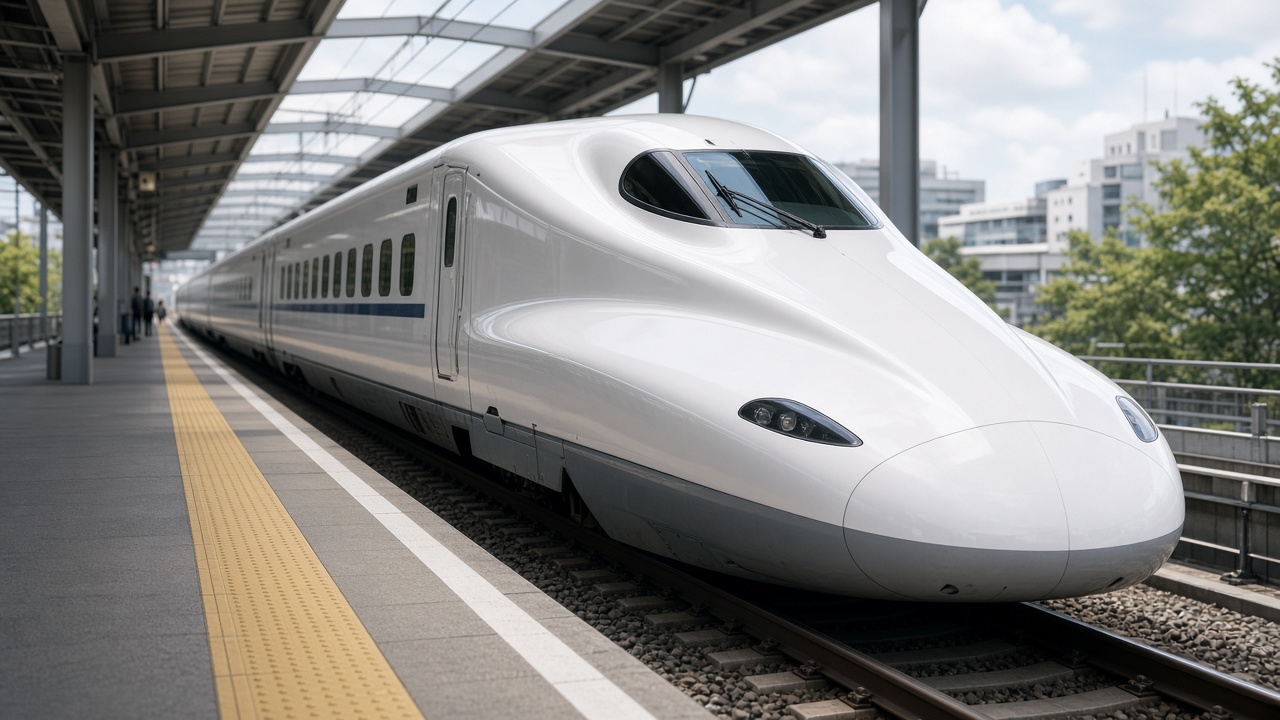
Between cities: Shinkansen is the spine of the Golden Route.
Nationwide JR Pass: After big price rises, it is often not worth it for a simple Tokyo-Kyoto-Osaka loop. Buy individual shinkansen tickets (or a regional pass if your math wins). Run the numbers for your exact dates.
Luggage: Reserve oversized baggage seats on some shinkansen services when your suitcase is big. Or forward bags with luggage delivery services between hotels.
Accommodations to try if you are travelling to Japan for the first time
You do not need a luxury tower for a great first trip. Mix one “Japan-only” stay with practical city bases.
Ryokan
Traditional inn energy: tatami rooms, futon bedding, often yukata robes, and sometimes an onsen bath plus kaiseki dinner. Best as one or two nights in Kyoto, Hakone, or a quieter town, not necessarily your whole Tokyo base. Prices swing wide. Read whether dinner / breakfast are included. Learn basic onsen manners before you go (wash before soaking, follow tattoo rules for that property).
Homestay / small guesthouse
Smaller, more personal, often cheaper than hotels in the same neighbourhood. Good if you want local tips and a quieter building. Expect shared bathrooms in some places. Book through reputable platforms and read recent foreigner-friendly reviews. Great in Kyoto side streets and Osaka neighbourhoods away from the neon core.
Hostel pod / capsule
Capsule hotels and modern hostel pods are a Japan classic for solo travellers: a private sleeping pod, shared bathrooms, lockers, often surprisingly clean. Cheap, central, and efficient. Not ideal if you need space, hate shared facilities, or travel as a family. Women-only floors exist in many properties. Bring earplugs if you are a light sleeper.
Also common: Business hotels (tiny, spotless, brilliant value for couples). Book early for sakura, Golden Week, and autumn foliage.
Cash, cards, and daily spend
Currency is the Japanese yen (JPY). Cards work widely in cities. Convenience stores and many restaurants take cards / IC. Still keep cash for small eateries, temple offerings, and rural bits. 7-Eleven-style ATMs are practical for foreign cards.
Which region to choose
First-timers: Golden Route (Tokyo, Kyoto, Osaka), optional Hakone / Fuji day
Family / theme park: Add Tokyo Disneyland or DisneySea as a full Tokyo day
Culture-heavy: More Kyoto nights, Nara day trip
Food + nightlife: Osaka heavier
History + peace: Hiroshima and Miyajima add-on
Tokyo
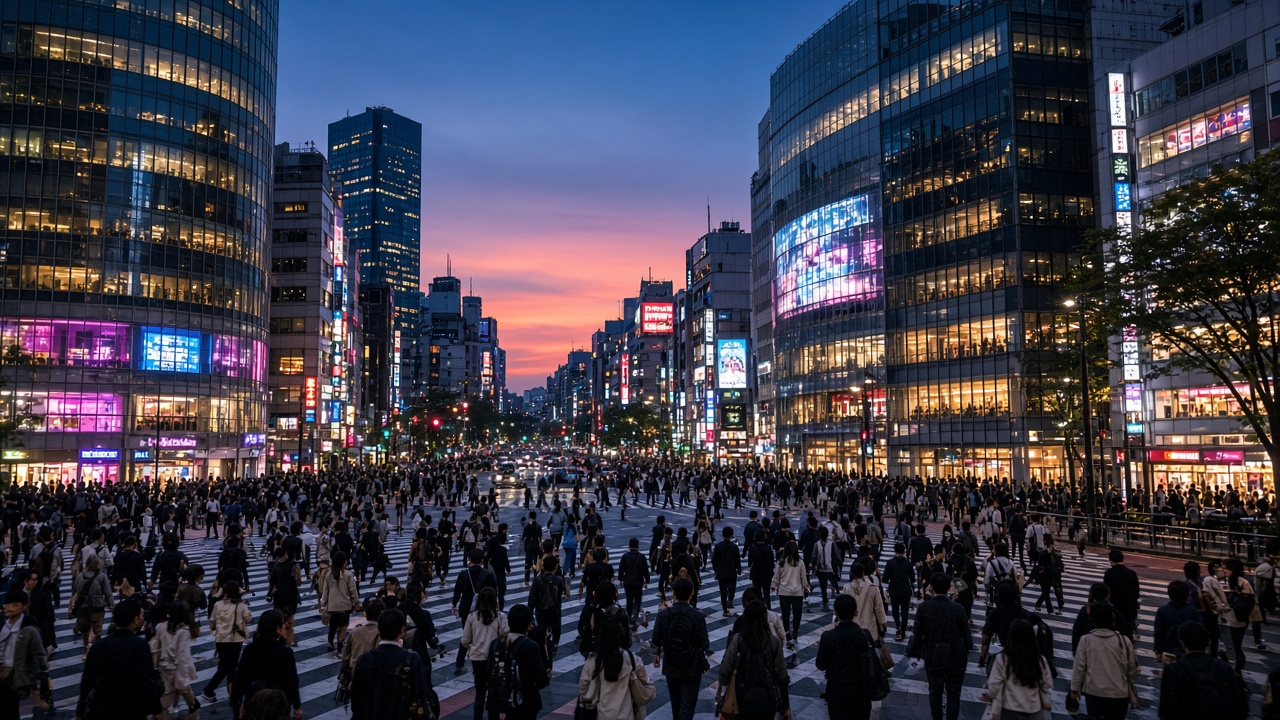
Scale, neon, neighbourhoods with different personalities. Do not try to “finish” Tokyo. Pick clusters.
Do
Shibuya scramble + surrounding streets
Meiji Shrine / Harajuku
Asakusa and Senso-ji
teamLab or a sky view if lines fit your patience
Shinjuku night walk and one proper ramen queue
Day trip: Hakone or a clear-weather Fuji viewpoint plan
Base
Shinjuku or Shibuya for first-timers. Asakusa for quieter nights near temples.
Days
3 nights minimum. 4 is better. Add a fifth if Disneyland is locked in.
Tokyo Disneyland (and DisneySea)
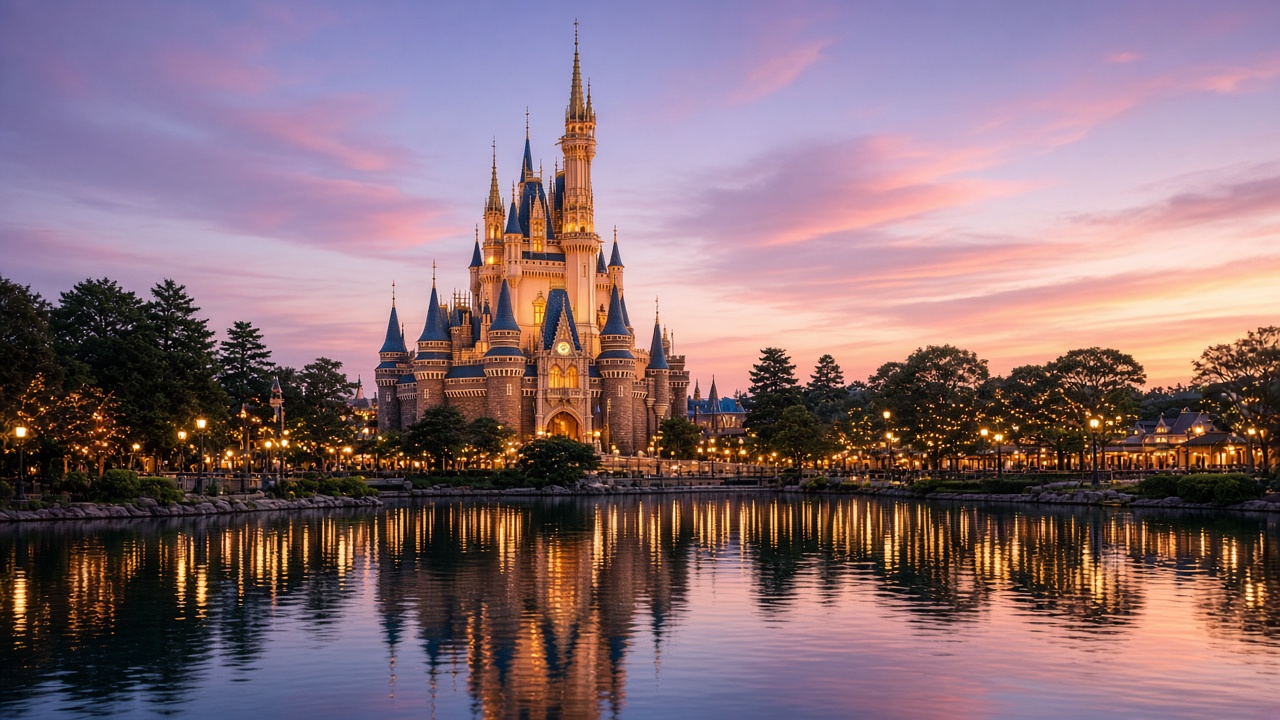
Tokyo Disney Resort sits in Urayasu / Maihama, about 15 minutes by JR Keiyo Line from Tokyo Station to Maihama. There are two parks: Tokyo Disneyland (classic Disney) and Tokyo DisneySea (unique to Tokyo, often the favourite for repeat visitors and ride fans). One ticket = one park for one date. You cannot hop both on a single 1-day passport.
Tickets and booking
Buy a fixed-date ticket in advance. Variable pricing applies. Peak weekends and holidays cost more.
Official sales open on a rolling window (commonly up to about two months ahead; sales updates often go live around 2:00 PM Japan time for the matching date). Official site and the Tokyo Disney Resort app are the source of truth.
From India, authorised online sellers (for example Klook and others listed by the resort) can be easier for payment. You still get a smartphone QR / app ticket flow. Gate same-day booths are not a reliable Plan B.
Download the official app for wait times, mobile order, Standby Pass / paid Premier Access options, and restaurant booking tools.
Which park?
Disneyland: Classic castles, parades, familiar characters. Strong with first-timers and kids who want “the Disney day.”
DisneySea: More original lands and ride intensity. Often preferred if you already know Disney parks abroad.
Day tip
Treat it as a full day. Arrive at rope drop. Do not stack Asakusa and Shibuya the same night unless your group has supernatural stamina. Stay near Maihama / Disney hotels only if the premium is worth waking up next door.
Kyoto
Temples, lanes, tea, and the version of Japan people mean when they say “culture.” Go early to famous gates.
Do
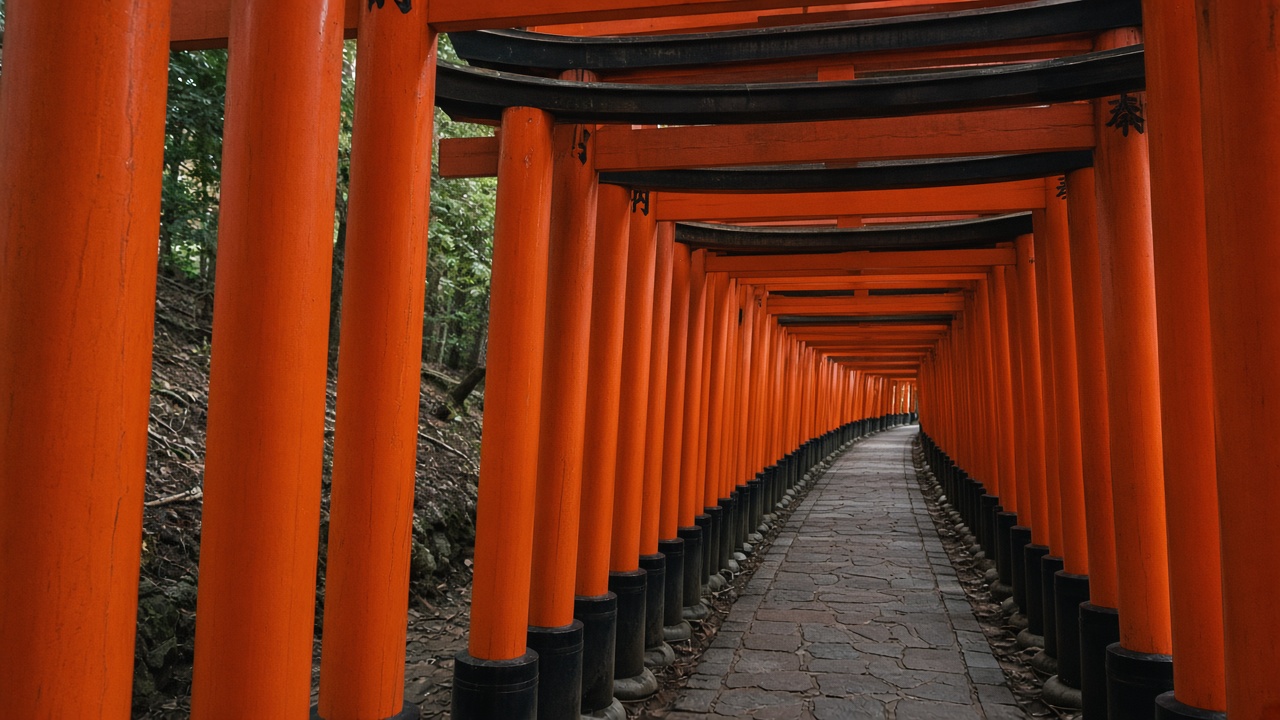
Fushimi Inari at opening light
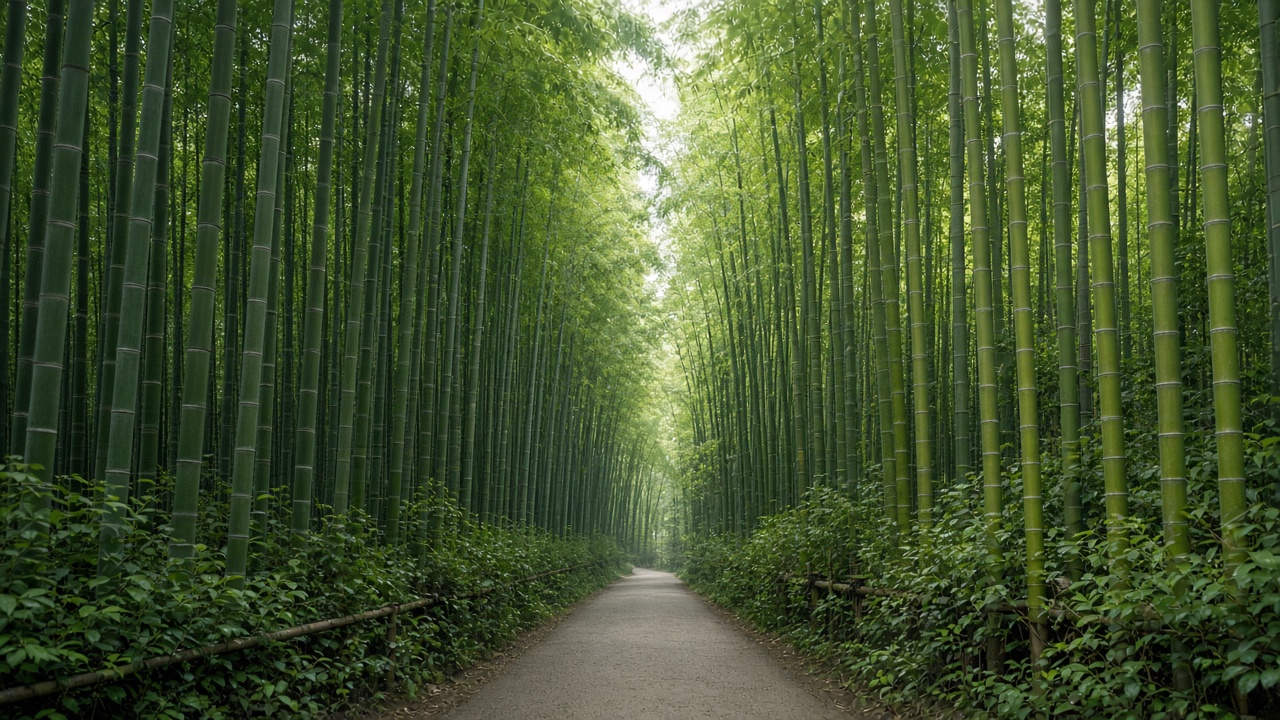
Arashiyama bamboo plus one calmer temple nearby
Pick two headline temples, not twelve
Gion evening walk. Respect private streets and photo rules.
Nishiki Market for snacks
Days
2 nights minimum. 3 lets you breathe.
Osaka
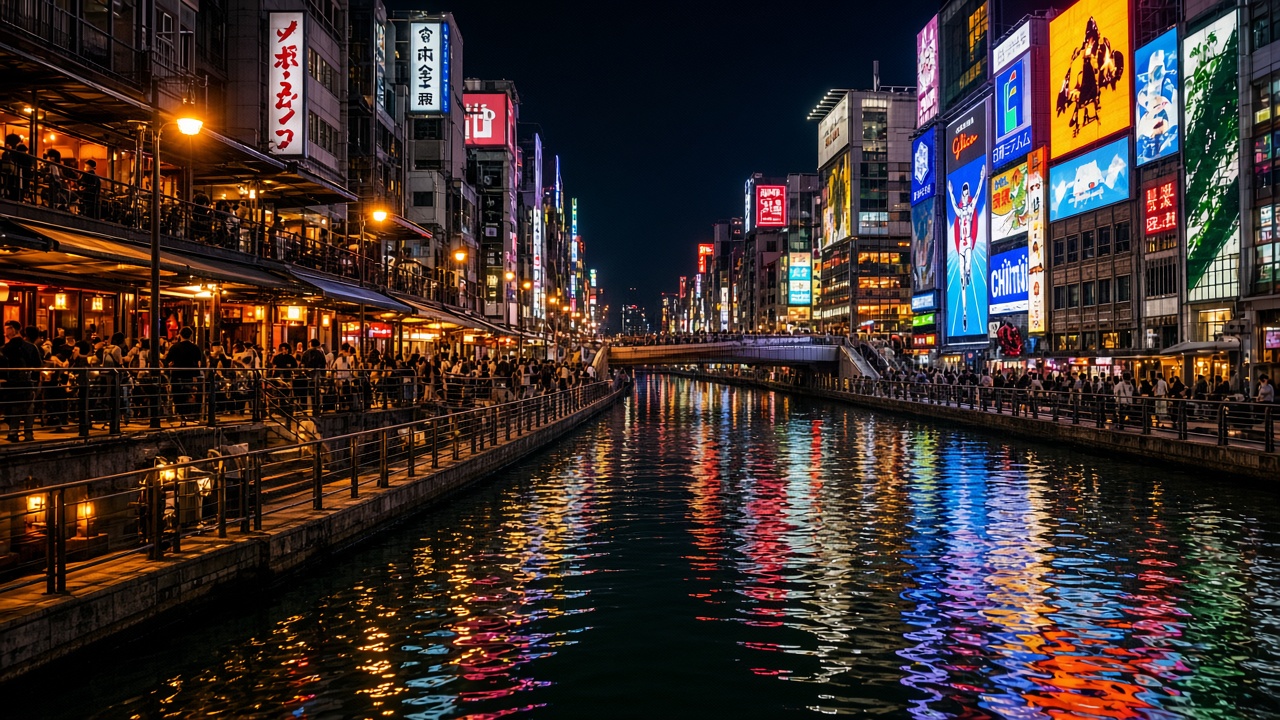
Louder food-city energy. Dotonbori at night is the postcard.
Do
Dotonbori / Shinsaibashi food crawl
Osaka Castle park for a history pause
Universal Studios only if it is non-negotiable for someone in the group
Days
1 to 2 nights.
Nara (day trip)
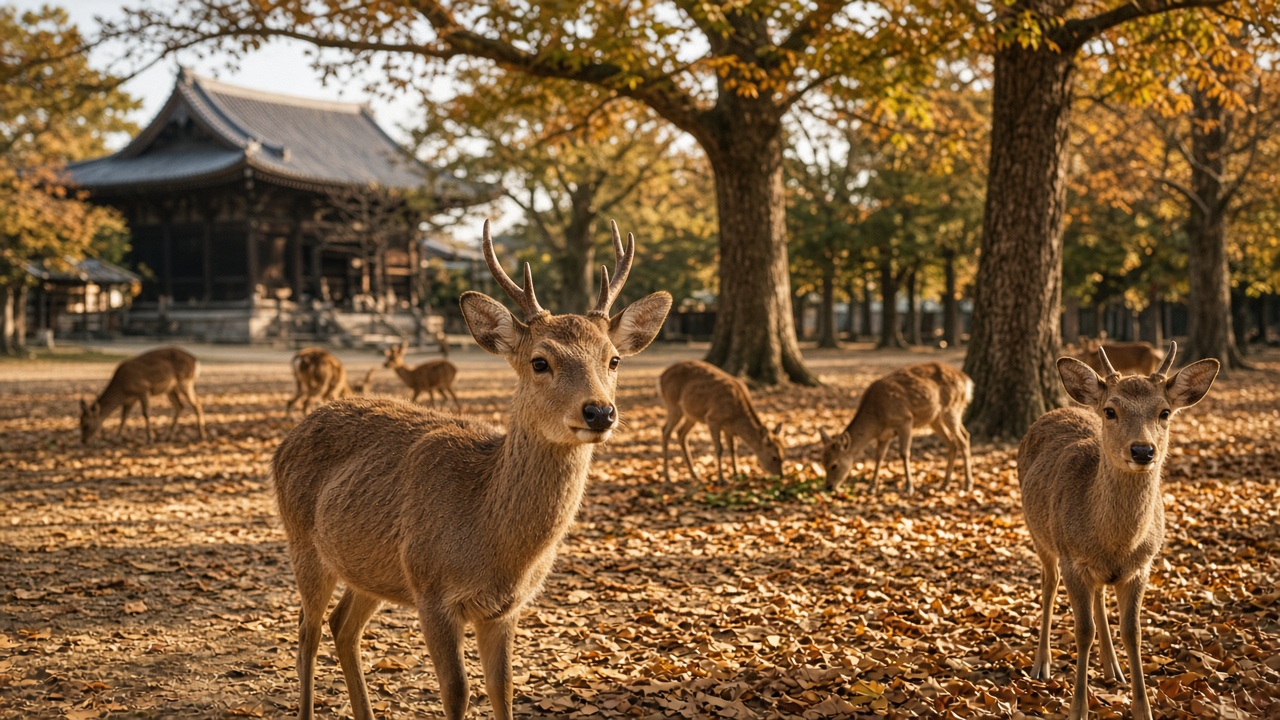
Easy from Kyoto or Osaka. Deer, Todai-ji, softer pace. Buy official deer crackers if you feed. Watch fingers.
Hiroshima and Miyajima (add-on)
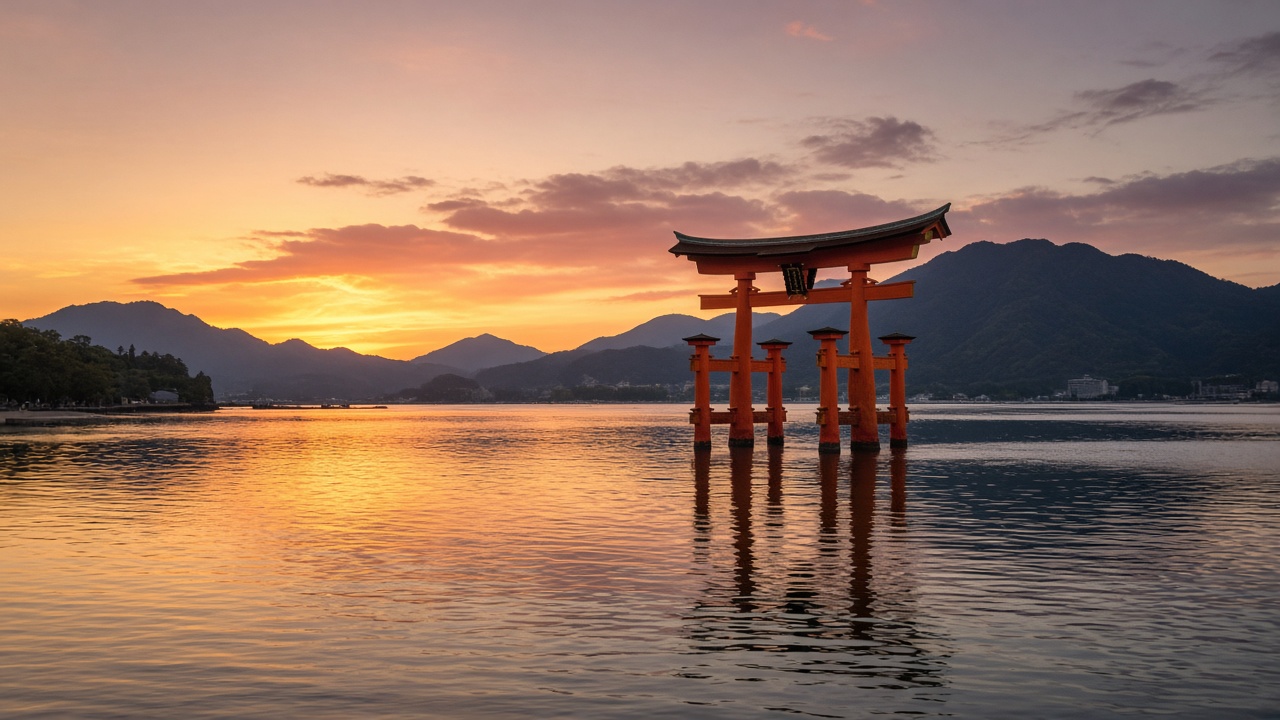
Worth it on 12+ days. Peace Memorial Park is heavy and important. Miyajima’s torii is the softer close.
A practical 3-day plan (Tokyo)
Use this if you only have a long weekend, or as your Tokyo block inside a longer trip. Swap Day 3 for Disneyland if that is the priority.
Day 1: Classic Tokyo arrival day. Land, IC card, drop bags. Afternoon Asakusa and Senso-ji. Skytree or a nearby river walk if energy remains. Evening in Asakusa or Ueno. Early sleep.
Day 2: Harajuku to Shibuya to Shinjuku. Morning Meiji Shrine. Harajuku / Takeshita stroll. Lunch. Shibuya scramble and surrounding streets. Evening Shinjuku lights, Omoide Yokocho or a proper ramen queue. Optional Shibuya Sky / government building free views if lines behave.
Day 3 option A (city): TeamLab or a museum morning, Ginza / Tokyo Station area afternoon, sushi or conveyor dinner, pack for next city.
Day 3 option B (Disney): Full day at Tokyo Disneyland or DisneySea. Rope drop to fireworks if the calendar has them. No other big plans.
Day 3 option C (Fuji weather gamble): Only if the forecast is clear. Hakone or a Fuji viewpoint day tour. Do not pay peak prices for a cloud wall.
Who you travel with changes the map
Couple first trip: Tokyo + Kyoto + Osaka, one Fuji / Hakone day
Family: Fewer temple hops, Disneyland or USJ decision, luggage forwarding
Food-led: Extra Osaka night, market mornings, izakaya evenings
Budget: Hostel pods, konbini meals, individual train tickets, free city walks
Must try
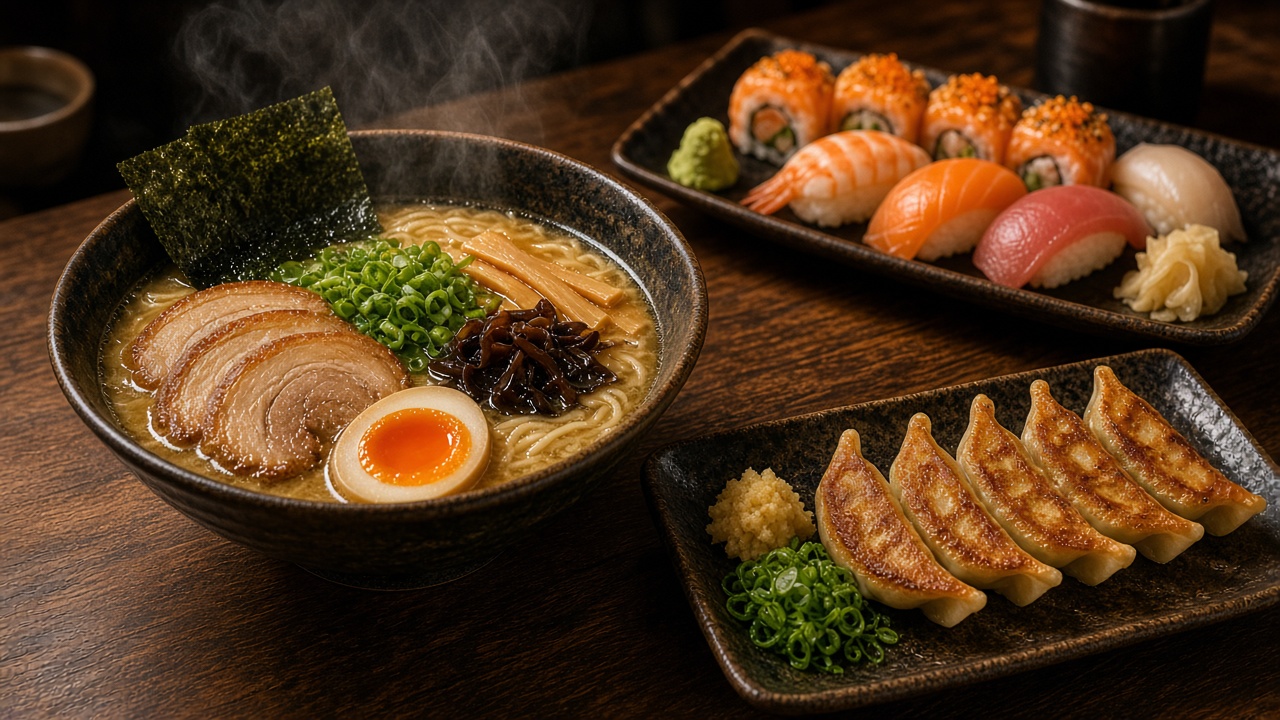
Ramen: Regional styles differ. Ticket machines are normal.
Conveyor or counter sushi
Okonomiyaki and takoyaki in Osaka
Tempura / tonkatsu / yakitori
Convenience store meals: Onigiri, egg sandwiches, hot cans
Matcha sweets in Kyoto
How to survive if you are vegan or vegetarian
Japan is doable, but “vegetable” on a menu does not mean vegetarian. Dashi (usually fish stock) hides in miso soup, ramen broth, dipping sauces, and simmered dishes. Bonito flakes appear on “veg” okonomiyaki. Ask clearly. Save phrases on your phone as a card.
Useful lines: “Watashi wa bejitarian desu” (I am vegetarian). “Niku to sakana wa taberaremasen” (I cannot eat meat or fish). “Dashi mo dame desu” (Fish stock is also not okay). For lacto-ovo vegetarians: eggs and dairy are okay if that is true for you.
Safer bets: Inari sushi, umeboshi or kombu onigiri (check labels), edamame, natto, yudofu (hot tofu), vegetable tempura after confirming batter / oil, shojin ryori (Buddhist temple cuisine) in places like Kyoto.
Apps and filters: HappyCow, Map search for vegan / plant-based, and chain restaurants with English allergen menus in big cities.
Indian / Asian veg restaurants: Easy reset in Tokyo, Osaka, and Kyoto when you are tired of decoding broth.
Konbini strategy: Read ingredients. Many salads and rice balls look safe and are not. When unsure, fruit, plain rice, and clearly labelled plant-based lines beat a mystery stew.
Language and how to communicate
English appears in big stations, hotels, and tourist zones. It disappears in neighbourhood restaurants. Politeness matters more than perfect grammar. Google Translate camera mode saves menus. Learn a few words anyway. People appreciate the effort.
Konnichiwa - hello (daytime)
Sumimasen - excuse me / sorry / getting attention. You will say this constantly.
Arigatou gozaimasu - thank you (polite)
Onegaishimasu - please (when requesting)
Hai / Iie - yes / no
Eigo ga wakarimasu ka? - Do you understand English?
Ikura desu ka? - How much is it?
Toire wa doko desu ka? - Where is the toilet?
Tasukete - Help (emergencies)
Oishiidesu - It is delicious
Kore o kudasai - This one, please (pointing at a menu or display)
On trains: keep voices low, take calls off the carriage when you can, and follow the quiet culture. A bow and “sumimasen” fixes more social friction than a paragraph of English.
Average costs in Japan
Ballpark for Indian travellers in 2026. Yen moves. Festival weeks rewrite everything. Treat these as planning bands, not invoices.
Stay
Hostel dorm / capsule pod: about ¥3,000 to ¥6,000 per night
Business hotel (couple-friendly tiny room): about ¥9,000 to ¥16,000
Nice mid hotel: ¥18,000+
Ryokan with meals: often ¥20,000 to ¥50,000+ per person depending on grade
Food
Konbini-led day: about ¥1,500 to ¥2,500
Normal mix of ramen / sets / one nicer dinner: about ¥3,500 to ¥6,000
Splurge sushi / wagyu nights: open-ended
Transport
City metro day: often ¥800 to ¥1,500 if you cluster neighbourhoods
Tokyo to Kyoto shinkansen one way: commonly in the ¥13,000 to ¥15,000 class depending on train and seat. Price your dates.
Nationwide JR Pass: run the calculator. For many short Golden Route trips, point-to-point wins after recent pass price hikes.
Flights from India
Return economy often lands roughly ₹40,000 to ₹70,000+ per person depending on city, season, and stops. Sakura and year-end jump.
Booking and extras
Visa + VFS: often around ₹1,000 to ₹2,000 all-in when Indian fees are low. Confirm live.
eSIM / pocket Wi-Fi for a week: budget a few thousand rupees
Tokyo Disneyland / DisneySea 1-day: variable by date (plan several thousand yen to higher peak rates; check the calendar before you promise kids a day)
IC card: refundable deposit + top-up balance
All-in sense check (10 days, per person)
Lean: around ₹1.5 to ₹2.0 lakh (hostels/pods, konbini-heavy, careful trains)
Mid-range: around ₹2.2 to ₹3.0 lakh (business hotels, mixed dining, Golden Route)
Comfort: ₹3.5 lakh+ once nicer hotels, Disney, and food splurges stack
Travel tips to experience Japan on a budget
Travel in January, February, or June when you can.
Sleep in capsules, hostels, or business hotels a few stops from the busiest station.
Make konbini and lunch sets your default. Dinner can be the one sit-down.
Walk between nearby neighbourhoods instead of tapping in for every two stations.
Use free views (Tokyo Metropolitan Government Building observatories are a classic) and free shrine grounds.
Skip the nationwide JR Pass if your route is short. Pay only for the shinkansen you need.
Book peak weeks early. Last-minute Japan is not a reliable bargain.
Tax-free shopping helps on bigger spends. Carry your passport at eligible stores.
One paid hero day (Disney, teamLab, day tour) beats five mediocre ticketed stops.
Things to bring
Passport, visa / issuance notice, hotel list, return ticket (paper + phone)
Payment cards that work abroad + a cash buffer in yen after landing
Unlocked phone ready for eSIM, or pocket Wi-Fi booking QR
Universal power adapter (Japan is Type A, 100V). Many USB chargers are fine; hair tools may need dual-voltage checks.
Portable battery (station days murder phones)
Compact daypack, reusable bottle, small packable tote for konbini runs
Pocket tissues / handkerchief (public toilets sometimes need them; trash cans are rare)
Basic medicines you already trust, plus copies of prescriptions
Vegetarian / vegan phrase card if diet is strict
What to pack for Japan
Shoes: Broken-in walkers. Train stations are workouts. Slip-off shoes help for temples and some ryokan.
Spring: Layers, light sweater, packable rain shell. Sakura weeks can still bite at night.
Summer: Breathable clothes, sun protection, compact umbrella, electrolyte sachets. Humidity is the villain.
Autumn: Light jacket + one warmer layer for evenings.
Winter: Real coat, gloves, scarf, warm base layers for Kyoto nights and windy platforms.
Temple / shrine: Shoulders covered options. Quiet colours are fine. Follow photo signs.
Luggage size: Prefer a suitcase you can lift on stairs and trains, or plan luggage forwarding. Giant check-in armour fights Japanese station life.
Laundry: Many business hotels and coin laundries make a 7 to 10 day capsule wardrobe realistic.
Things to avoid
Booking sakura week without confirmed beds
Buying a nationwide JR Pass without fare math
Assuming Disney tickets exist at the gate on the day
Eating on quiet metro cars where it is frowned on
Blocking torii paths for a long photoshoot
Assuming every “veggie” bowl is vegetarian
Trying Tokyo, Kyoto, Osaka, Hiroshima, Fuji, and Disney as same-week trophies on 7 days
Sample routes
3 days: Tokyo plan above
7 days: Tokyo 3 → Kyoto 2 → Osaka 1 → fly KIX
10 days classic: Tokyo 4 (Hakone/Fuji or Disney) → Kyoto 3 → Osaka 2 (Nara) → out
12 days: Classic 10 + Hiroshima / Miyajima
Practical tips that save the trip
Google Maps works brilliantly for trains. Follow platform numbers like a religion.
Reserve popular restaurants when you can. Walk-in lunch sets save money.
Convenience stores solve forgotten toiletries at 11 PM.
Carry a small bag for wrappers. Trash cans are rare.
Onsens: wash before you soak, follow house tattoo rules, bring a small towel.
Cash + IC card + one backup card. Do not run a whole day on 12% battery.
Quick decision cheat sheet
First trip default: Tokyo + Kyoto + Osaka
Theme park day: DisneySea if you want unique, Disneyland if you want classic
Cheapest months: Jan (post New Year), Feb, June
JR Pass: Probably skip for a short Golden Route
Wrong plan: Treating Japan like a checklist country you can finish
Before you go
Lock the visa early. Book peak-season beds and Disney dates before you fall in love with a 12-city map. Get data working on landing. Ride the trains. Eat the queues that look local. Leave one afternoon empty on purpose. Japan is at its best when you stop hunting for the perfect reel and start noticing how quietly everything works.

Conversation
0 comments