

Diwali at home feels warm.
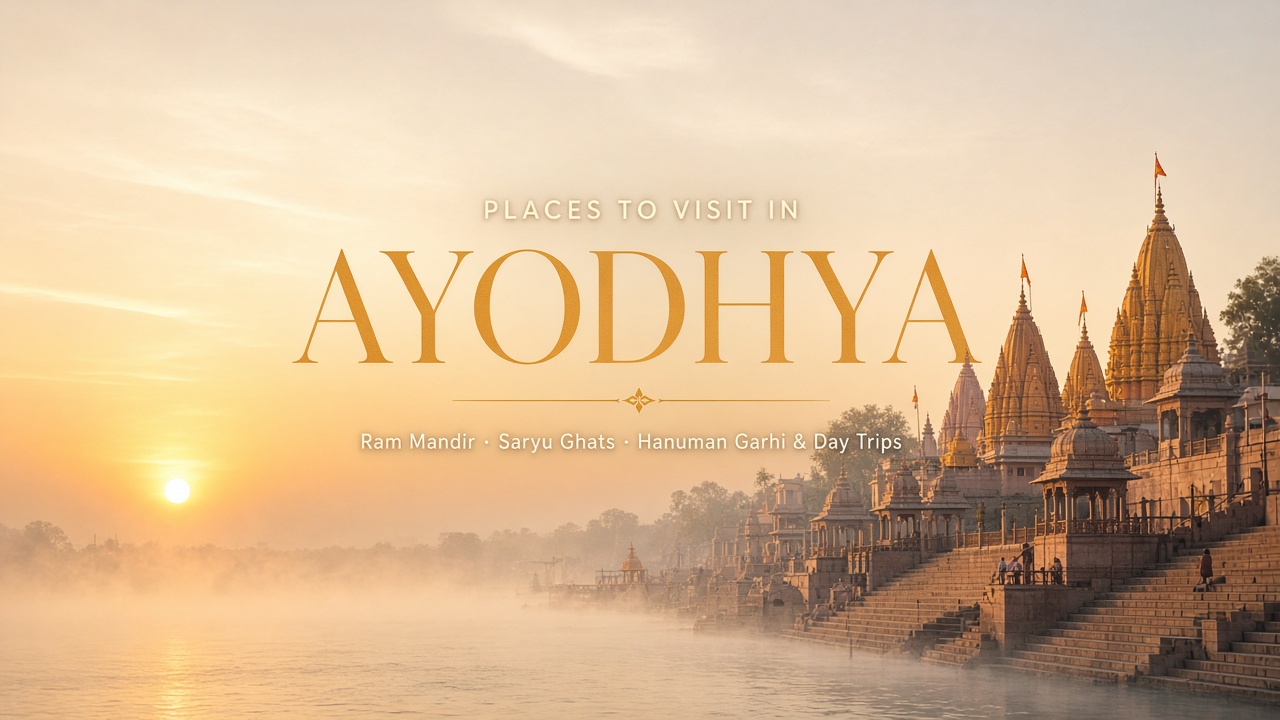
Diwali in Ayodhya feels like the whole river remembered the same story at once.
Ayodhya Deepotsav 2026 runs from about 6 to 8 November, with the main diya night on Saturday, 7 November. Diwali follows on Sunday, 8 November. This is the city's tenth Deepotsav, and the plan again is record-scale: roughly 28 to 30 lakh earthen diyas across dozens of Saryu ghats, plus aarti, cultural evenings and a big sky show.
If you are still booking in October, move fast. Rooms near the ghats rise early and hard.
Quick clarity before the numbers:
Watching from public riverfront areas is free. You spend on stay, food, local transport and optional boats.
Costs below are per person unless marked as a room or private boat total.
Central Ram Ki Paidi zones can be restricted to volunteers and official pass holders. Public viewing still works from Naya Ghat, bridge sides and Ram Path if you arrive early.
Anyone selling a paid "Deepotsav ticket" or "VIP temple pass" online is not the official route.
1. What is Deepotsav?
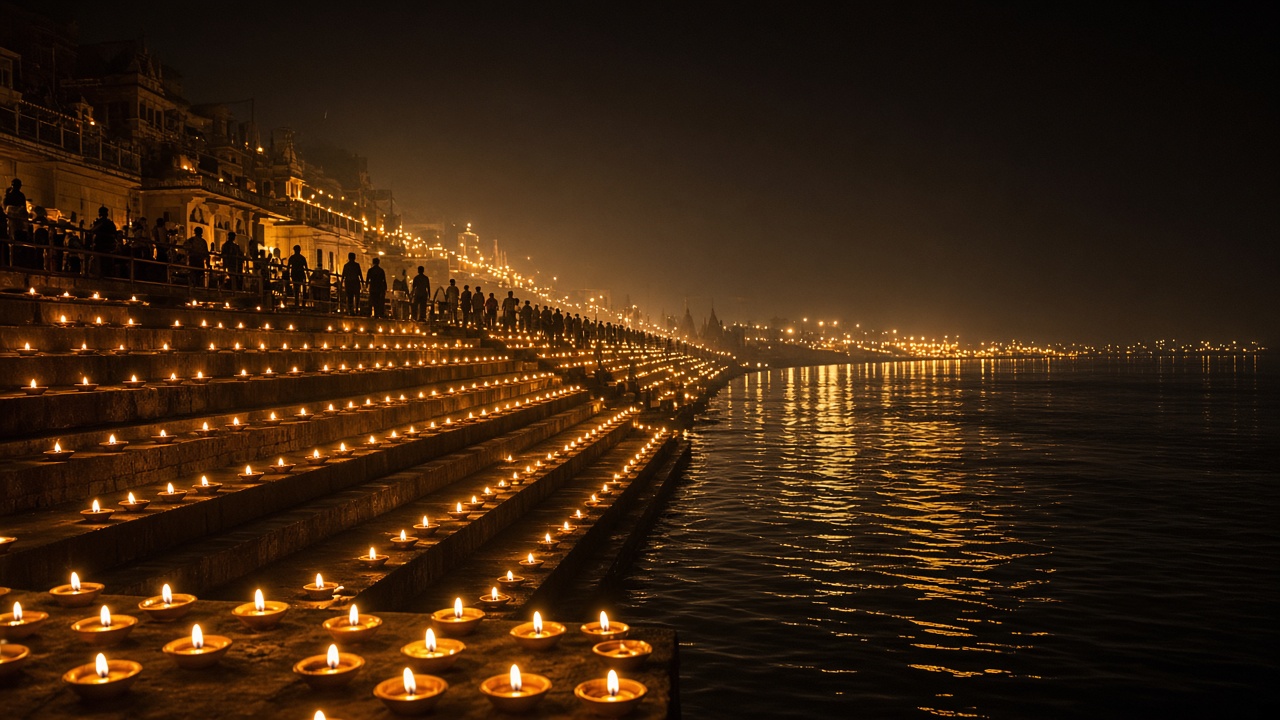
It marks Rama's homecoming to Ayodhya after exile, told in light. Volunteers line the Saryu steps with diyas. The riverfront turns gold. The city treats it as both devotion and a carefully managed public festival.
Think of it as Diwali's biggest outdoor chapter in Uttar Pradesh, not a quiet temple visit.
2. Deepotsav 2026 dates and evening flow
6 November (Friday): celebrations open. Reports point to a Ramayana shobha yatra / tableau movement toward Ram Katha Park, plus city decoration lighting up.
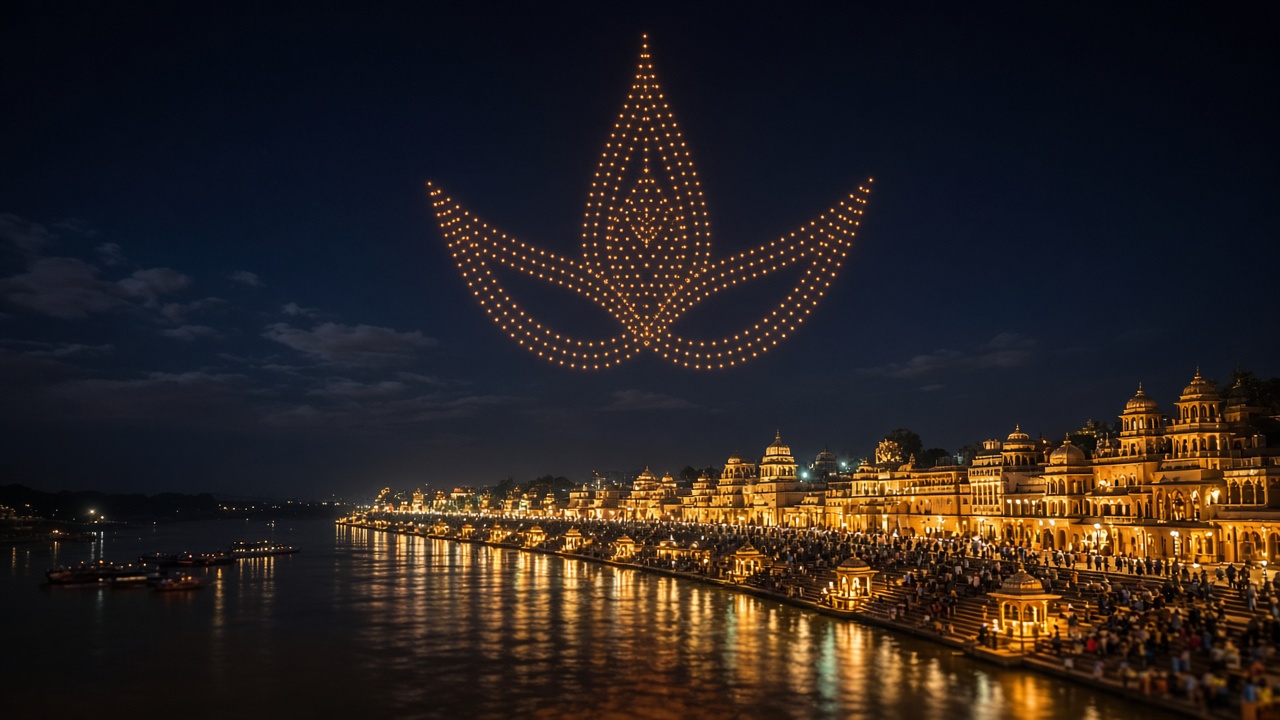
7 November (Saturday): main Deepotsav day. Afternoon ceremonial events around Ram Katha Park. Evening: mass diya lighting at Ram Ki Paidi and Saryu ghats, then Saryu Maha Aarti, 3D / hologram elements and a mega drone show.
8 November (Sunday): Diwali day. Temple and city lights continue. Good buffer day if 7th felt too packed.
Exact minute-by-minute timings can shift with official advisories. Build buffer. Do not plan a 5 PM landing and a perfect front-row ghat view the same evening.
3. Where to watch: exact spots
Ram Ki Paidi: the heart of the diya field. Best view, densest crowd. Central stretches often fill by mid-afternoon and may be partly restricted. Aim to be in the wider Paidi area by about 2:30 to 3:30 PM if you want any chance at a strong sightline.
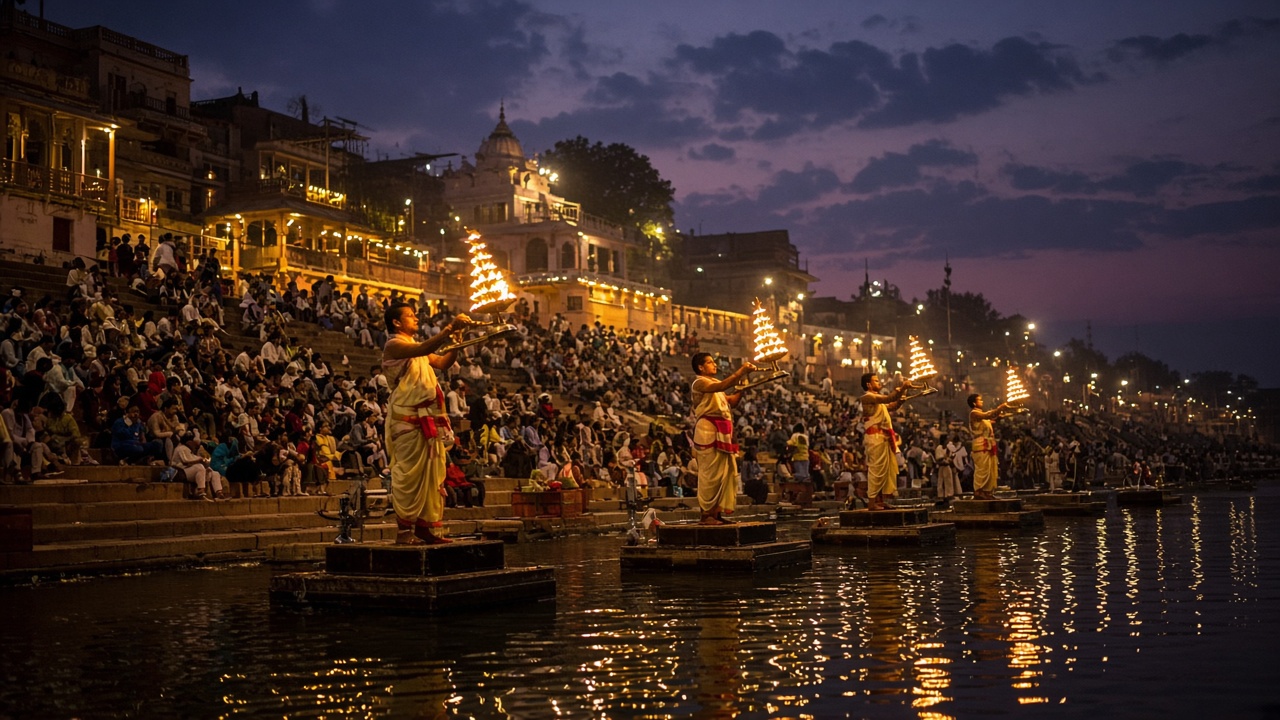
Naya Ghat: excellent for aarti energy and lit banks, usually a little more workable than the tightest Paidi core if you arrive by early afternoon.
Saryu bridge / pedestrian sides: panoramic photos of the glowing riverfront and sky show. Good backup when steps are sealed.
Ram Katha Park: cultural stage, processions and ceremonial programmes earlier in the day.
Ram Path / Lata Mangeshkar Chowk belt: decorations, tableaux and drone sky views with slightly easier family movement.
Other Saryu ghats (including stretches toward Laxman Kila and neighbouring banks): still lit, often calmer than the VIP-facing core.
Follow police barricades. If volunteers redirect you, take the detour. The glow is city-wide, not one single stair.
4. How to do Ram Mandir darshan (and the VIP ticket truth)
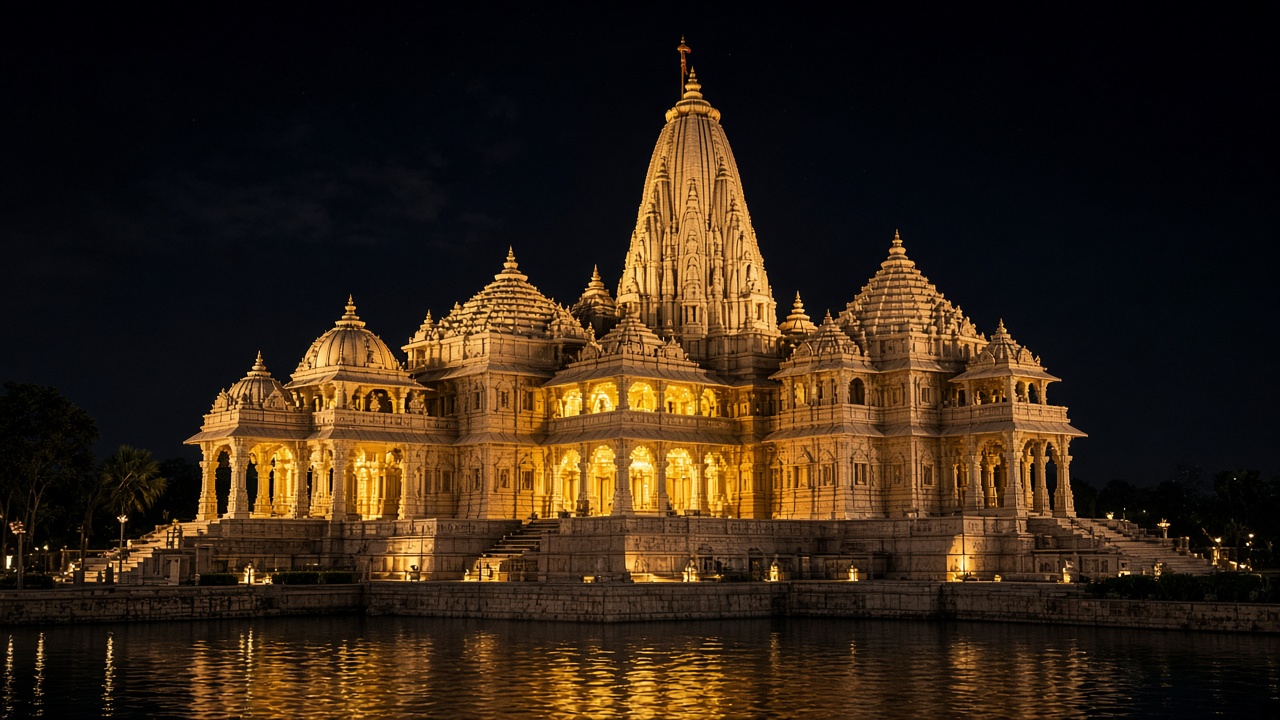
Almost everyone wants temple darshan and Deepotsav in one trip. Sensible. Just do not smash both into the same peak evening.
Is there an official paid VIP ticket?
No. The Shri Ram Janmabhoomi Teerth Kshetra Trust has been clear: there is no paid VIP darshan ticket for the public. Sugam Darshan and Aarti passes on the official portal are free. Anyone asking money for a "VIP pass," "special entry" or "skip-the-line ticket" is not authorised. Report such demands on the Trust helpline / email listed on official notices (recently shared as helpline 80095 22111 and report@srjbtk.org).
What you can book officially:
Sugam Darshan pass: free timed-slot e-pass that usually shortens the general queue. Book only at online.srjbtkshetra.org.
Aarti pass: free pass for listed aarti darshan slots such as Mangala, Shringar and Shayan (timings as printed on the latest Trust notice).
Walk-in darshan: still possible without a pass on many days, but Deepotsav / Diwali week queues can be very long.
How to book Sugam Darshan / Aarti (current Trust process):
Open https://online.srjbtkshetra.org on your phone or laptop.
Log in with an Indian mobile number and OTP.
Choose Sugam Darshan or Aarti Pass.
Pick date and slot. As of mid-October 2026 updates, advance booking is being expanded up to about 90 days ahead, with daily online quota raised (reported around 2,000 Sugam passes per day, with room to grow).
Enter each devotee's name and government photo-ID details (usually up to 8 per mobile). Live camera photo may be required instead of an old upload.
Advance applications may take about 24-48 hours for verification. Same-day Tatkal options, when available, confirm faster.
Download the QR pass. Carry the same ID at the gate for devotees aged 10+ as instructed on the pass.
Deepotsav-week darshan tip:
Prefer 6 November morning or 8 November for mandir time.
Keep 7 November evening for the river lights.
Carry minimal bags. Follow the latest trust instructions on the portal before you travel, because slot counts and entry rules can update.
5. How much does the trip cost?
Entry to public Deepotsav viewing is free. Realistic spend for a 2 nights / 3 days trip around 6-8 November:
Stay: rooms that feel like ₹1,500-2,500 on a normal night can jump to about ₹6,000-12,000+ near Ram Ki Paidi / Mandir approach for Deepotsav weekend. Faizabad Road stays a few km out are cheaper but need transport.
Food and local moves: ₹800-2,000 per person per day depending on how much you walk vs shuttle.
Private Saryu boat (on non-restricted hours, if operating): often quoted around ₹1,500-2,000 total for a small group, not always per person. Confirm on the day. Peak Deepotsav evening may pause casual boats near the main programme.
Trains / flights: Lucknow is the common air gateway, then road to Ayodhya. Direct Ayodhya trains and specials fill early.
Book 6 and 7 November together at minimum. Walking distance to the ghat beats a cheaper room that leaves you stuck outside barricades.
6. Road closures and arrival logic
Expect vehicle restrictions on Ram Path, Naya Ghat approaches and core ghat roads from afternoon on the main days.
Use satellite parking and electric shuttles / walking for the last stretch.
Reach Ayodhya by 6 November if you can. Same-day arrival on the 7th only works if you land by late morning and commit to walking.
Agree a family meeting point before phones slow down in the crowd.
7. A simple 3-day plan
6 November: Arrive. Mandir darshan if slots allow. Walk Ram Path in daylight so you know the exits. Early night.
7 November: Easy morning. Reach your chosen ghat or bridge viewpoint by mid-afternoon. Deepotsav evening: diyas, aarti, sky show. Walk back after the first rush clears.
8 November: Soft Diwali morning. Second mandir attempt if needed. Leave after lunch when trains ease.
Have four days? Add Hanuman Garhi, local sweet shops and a calmer sunrise boat on a non-peak morning.
8. What to pack and how to behave
Flat shoes, light jacket, power bank, water, cash plus UPI
Keep kids and elders inside the marked public zones
Do not climb barricades for a closer reel
Leave no plastic on the ghat
Respect volunteer lines. They are running a city-scale operation, not a photo booth
Tip:
Carry cash. UPI works in many shops, but networks slow down hard on Deepotsav evening. Keep small notes for water, tea, autos and parking change.
Wear ethnic / modest festive clothes. Comfortable kurta-set, saree, salwar or simple traditional wear helps at both the ghat and Ram Mandir security lines. Flat shoes beat fancy heels on wet steps.
9. Must try
Watch the diya field from Ram Ki Paidi or, if that stretch is packed, from Naya Ghat or the Saryu bridge.
Stay for Saryu Maha Aarti after the lamps go up.
Do Ram Mandir darshan on a separate slot from Deepotsav peak evening. Morning of 6 Nov or daytime of 8 Nov usually feels calmer than 7 Nov night.
Taste local sweets and simple thali food after the first crowd wave clears. Do not skip water and a light snack before you enter the barricades.
10. Final verdict
Ayodhya Deepotsav is one of the clearest big-festival trips of the year: one river, one story, one night of impossible light.
Mark 7 November 2026 as the main evening. Stay overnight on the 6th. Watch from Ram Ki Paidi if you can earn the spot, or from Naya Ghat and the bridge if the core is closed. Book free Sugam Darshan on the official portal, and ignore paid "VIP ticket" sellers.
Do that, and you get the homecoming the city is famous for, without spending Deepotsav stuck in a lane arguing with an auto that cannot enter anyway.
Conversation
0 comments